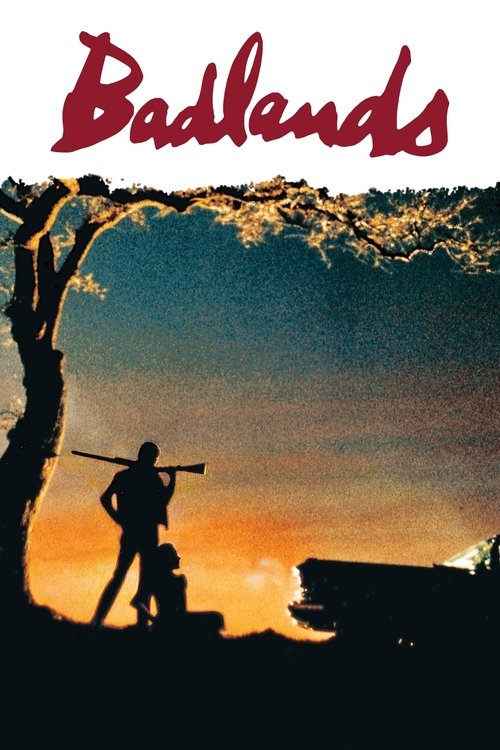
Badlands
1973
No user ratings available yet
Representation score: 2.3 out of 10
Representation Score
Limited
1978
PGDirector
Terrence Malick
Runtime
94 minutes
Average Rating
No ratings yetNew Showbiz Analysis
Terrence Malick’s drama reimagines the American pastoral myth through an impressionistic lens. It replaces traditional moral frameworks with an exploration of survival and desire. While the film lacks demographic diversity, it offers significant thematic depth by questioning the sanctity of Western institutions. The narrative effectively critiques capitalist hierarchies and the corruption of material wealth. However, the film is limited by its historical homogeneity, offering minimal representation of race or LGBTQ+ identities. Ultimately, the work provides progressive value through its moral ambiguity and its departure from typical Hollywood formulas of the time.
Category Breakdown
The film does not include any LGBTQ+ characters or non-straight identities. All relationships and conflicts are based on traditional heterosexual norms.
The film challenges traditional male roles by showing a complex, transactional deception. The female lead is presented as naturally beautiful and serves as the main driver of the plot.
Set in 1916, the film features a predominantly white cast that reflects the era's demographics. It lacks characters from diverse racial backgrounds to provide depth.
The story criticizes capitalist systems and the superficiality of material wealth. It portrays character actions as survival strategies against oppressive class structures.
The film does not feature characters with disabilities as central to the narrative.
Present on Screen
Limited or Absent
Official Synopsis
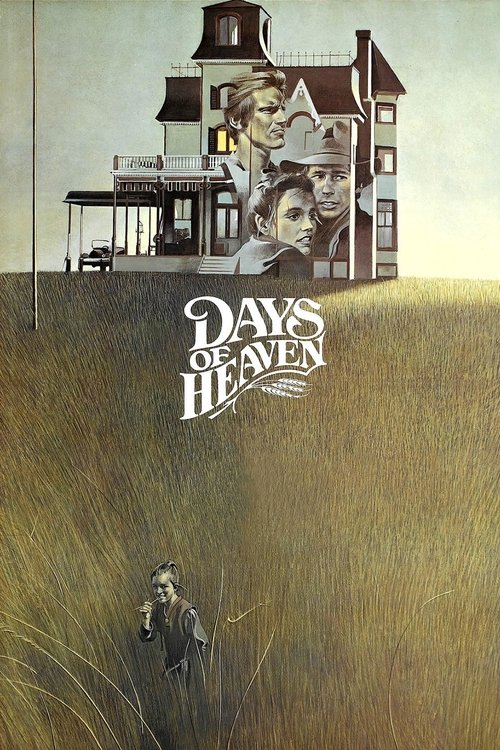
In 1916, a Chicago steel worker accidentally kills his supervisor and flees to the Texas panhandle with his girlfriend and little sister to work harvesting wheat in the fields of a stoic farmer.
1973
1927
1995
1938
2005
1984
2000
1939
No reviews yet. Be the first to share your thoughts on this movie!
Use the rating form above to leave a star rating and optional review.