Carol
2015
No user ratings available yet
Representation score: 5.9 out of 10
Representation Score
Good
2017
PG-13Director
Woody Allen
Runtime
101 minutes
Average Rating
No ratings yetNew Showbiz Analysis
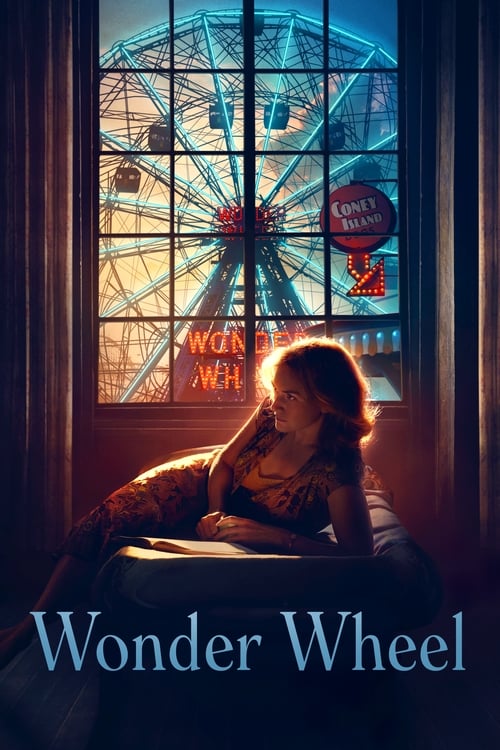
Wonder Wheel is a character study that prioritizes psychological complexity over social or communal morality. It succeeds in challenging traditional gender roles by presenting men as emotionally unstable rather than as competent leaders. However, the film is limited by its narrow demographic focus, reflecting a homogeneous 1950s New York. The setting and casting result in a lack of racial and LGBTQ+ representation. Ultimately, the film finds its strength in its refusal to provide moral redemption, instead offering a postmodern critique of the traditional family unit.
Category Breakdown
The film lacks prominent LGBTQ+ characters or storylines. Romantic tensions are focused on traditional heterosexual relationships, highlighting infidelity and conventional pairings.
The narrative centers on female emotional autonomy, disrupting traditional gender hierarchies. Masculinity is often portrayed through instability and inadequacy, rather than as strong leadership.
Set in 1955, the cast is largely homogeneous. While it explores various socioeconomic classes, the film lacks significant racial or ethnic diversity.
The film presents social dysfunction as a nuanced reality, embracing moral relativism. It critiques traditional Western institutions by depicting domesticity as a site of struggle.
Psychological neurosis is explored as a character driver, though these are not centered as lived experiences of disability. No visible physical disabilities are present.
Present on Screen
Limited or Absent
Official Synopsis
The story of four characters whose lives intertwine amid the hustle and bustle of the Coney Island amusement park in the 1950s: Ginny, an emotionally volatile former actress now working as a waitress in a clam house; Humpty, Ginny’s rough-hewn carousel operator husband; Mickey, a handsome young lifeguard who dreams of becoming a playwright; and Carolina, Humpty’s long-estranged daughter, who is now hiding out from gangsters at her father’s apartment.
2015

1945
2017

2010

2015

2016
1995

2017
No reviews yet. Be the first to share your thoughts on this movie!
Use the rating form above to leave a star rating and optional review.