
Miss Julie
2014
No user ratings available yet
Representation score: 5.8 out of 10
Representation Score
Limited
1979
PGDirector
Roman Polanski
Runtime
172 minutes
Average Rating
No ratings yetNew Showbiz Analysis
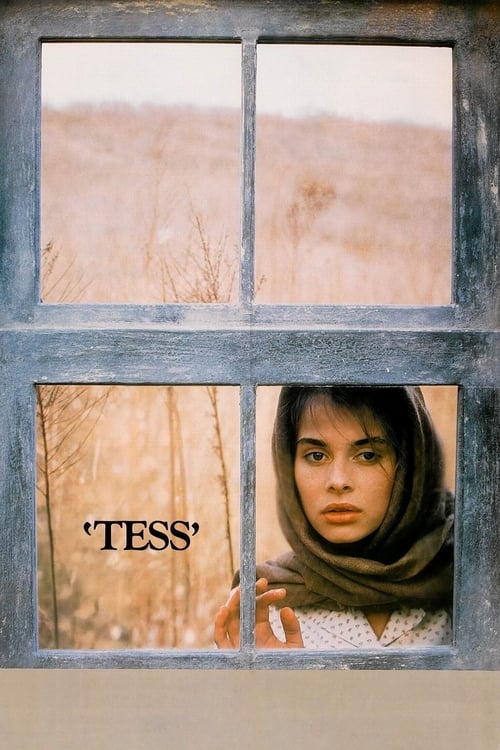
Tess is a period drama that prioritizes the deconstruction of social power over modern demographic variety. While it lacks racial and LGBTQ+ representation, it offers a sophisticated critique of the Victorian era's institutional cruelty. The film's strength lies in its examination of class and gender oppression. It successfully challenges traditional archetypes, particularly by revealing the hypocrisy of masculine virtue and the weight of systemic exploitation. Ultimately, the film's progressive value is found in its narrative stance against rigid social hierarchies rather than its casting diversity.
Category Breakdown
The film focuses solely on heterosexual and cisgender relationships. There are no LGBTQ+ characters or non-cisgender identities represented.
Tess serves as the moral center of the story, challenging Victorian gender hierarchies. The film questions traditional gender roles by showing how societal pressures shape a woman's fate.
The cast is mainly white, reflecting the historical context of 19th-century rural England. The film does not include actors of diverse racial backgrounds or non-Anglo-Saxon elements.
The story critiques traditional Western institutions, presenting religious and social structures as oppressive. It highlights how class-based poverty and strict authority lead characters to desperation.
There are no prominent depictions of physical or neurodivergent disabilities that serve as central character arcs or plot devices.
Present on Screen
Limited or Absent
Official Synopsis
A strong-willed peasant girl is sent by her father to the estate of some local aristocrats to capitalize on a rumour that their families are from the same line. This fateful visit commences an epic narrative of sex, class, betrayal, and revenge.
2014
1971
1961
1939

1992
1968
1978

1919
No reviews yet. Be the first to share your thoughts on this movie!
Use the rating form above to leave a star rating and optional review.