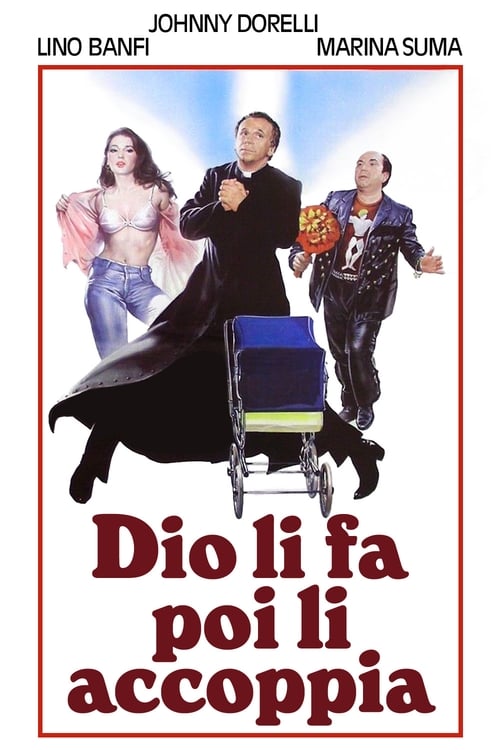
God Makes and Then Pairs Them Up
1982
No user ratings available yet
Representation score: 4.0 out of 10

Representation Score
Good
1970
Director
Torgny Wickman
Runtime
92 minutes
Average Rating
No ratings yetNew Showbiz Analysis
The film operates as a ribald comedy that prioritizes the subversion of patriarchal and religious authority over inclusive representation. It earns points by undermining the 'stable leader' cliché, replacing a powerful vicar with a humiliated, vulnerable figure. However, the production is limited by its historical setting and genre-driven focus. The lack of racial and LGBTQ+ diversity is significant, as the narrative remains confined to a homogeneous, straight-centered social structure. Ultimately, the film's strength lies in its social critique of institutional infallibility. While it succeeds in deconstructing traditional power through gendered reversal, it fails to provide meaningful representation for underrepresented identities.
Category Breakdown
The film does not explicitly depict LGBTQ+ identities or non-straight relationships. It centers on a male protagonist's physiological curse within a strictly straight-centered framework.
Gender hierarchies are disrupted by centering the plot on the incompetence of a male authority figure. Local women act as the primary agents of resolution, reversing traditional power dynamics.
Set in a 17th-century European village, the film reflects a homogeneous demographic. There is no evidence of ethnic blending or diverse casting within this historical period piece.
The story critiques Western religious institutions by framing the priest as a perpetrator of injustice. A supernatural curse serves to deconstruct the perceived sanctity of the Church.
The protagonist's physiological condition functions as a comedic plot device for farce. It lacks a nuanced exploration of physical experience or character's ability to drive the story.
Present on Screen
Limited or Absent
Official Synopsis
During a witch trial in the seventeenth century a woman is accused of being a witch and burned at the stake. The witch curse the village priest who pushed through the accusations and promises that her offspring will avenge her. During the Caroline the priest's son take over as vicar of the congregation, and the daughter of the witch bewitches him so that he suffers constant erection. This is off course very embarrassing for the vicar. The local women has to step in and try to set things right
1982
1960
1973
1965
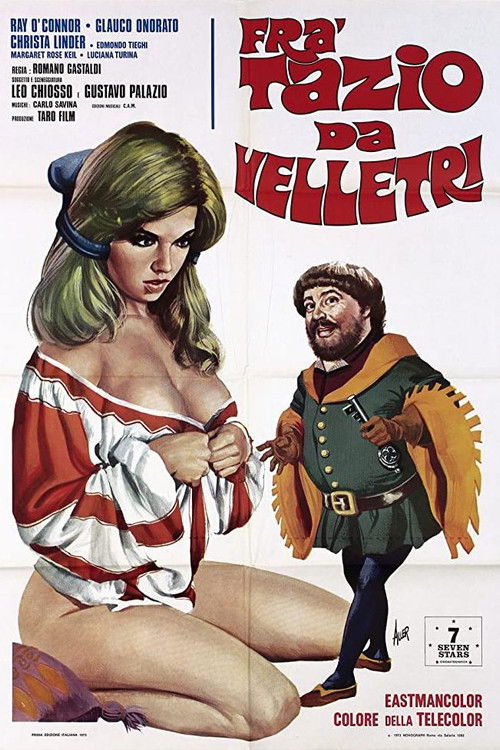
1973
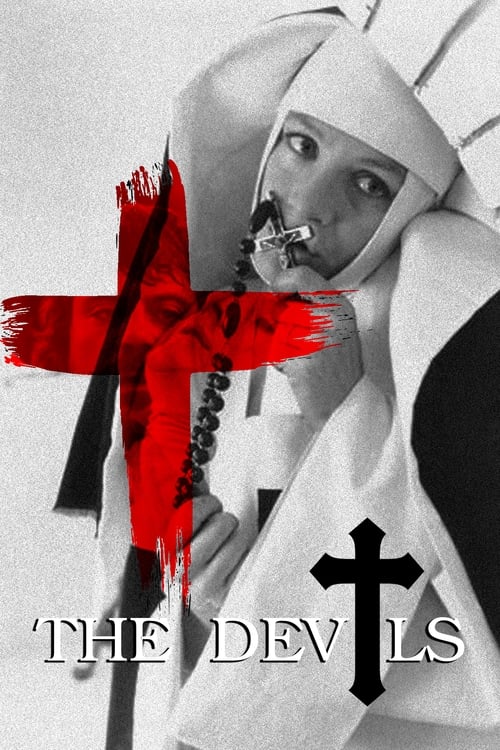
1971
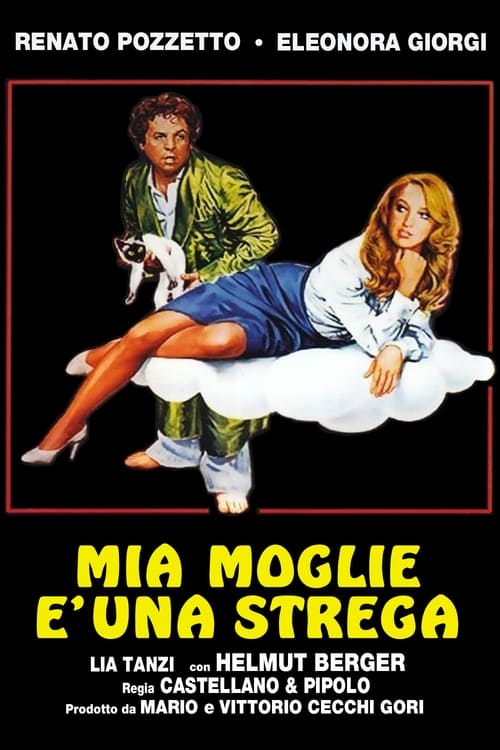
1980
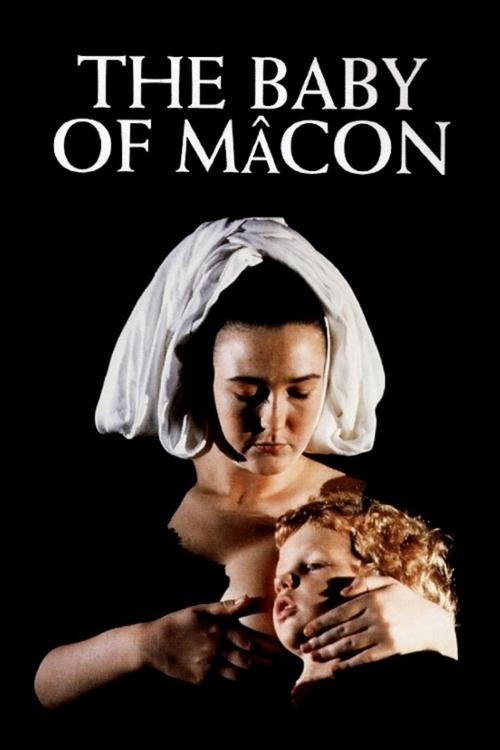
1993
No reviews yet. Be the first to share your thoughts on this movie!
Use the rating form above to leave a star rating and optional review.