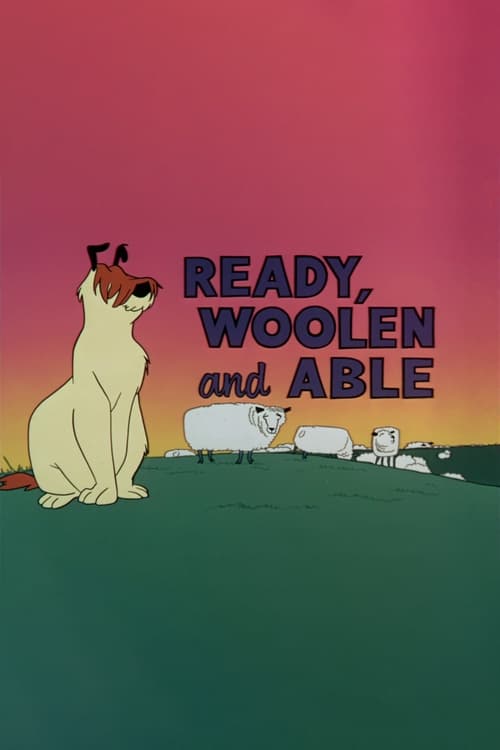
Ready, Woolen and Able
1960
No user ratings available yet
Diversity score: 1.4 out of 10
1941
NRDirector
William Hanna, Joseph Barbera
Runtime
9 minutes
Average Rating
No ratings yetSynopsis
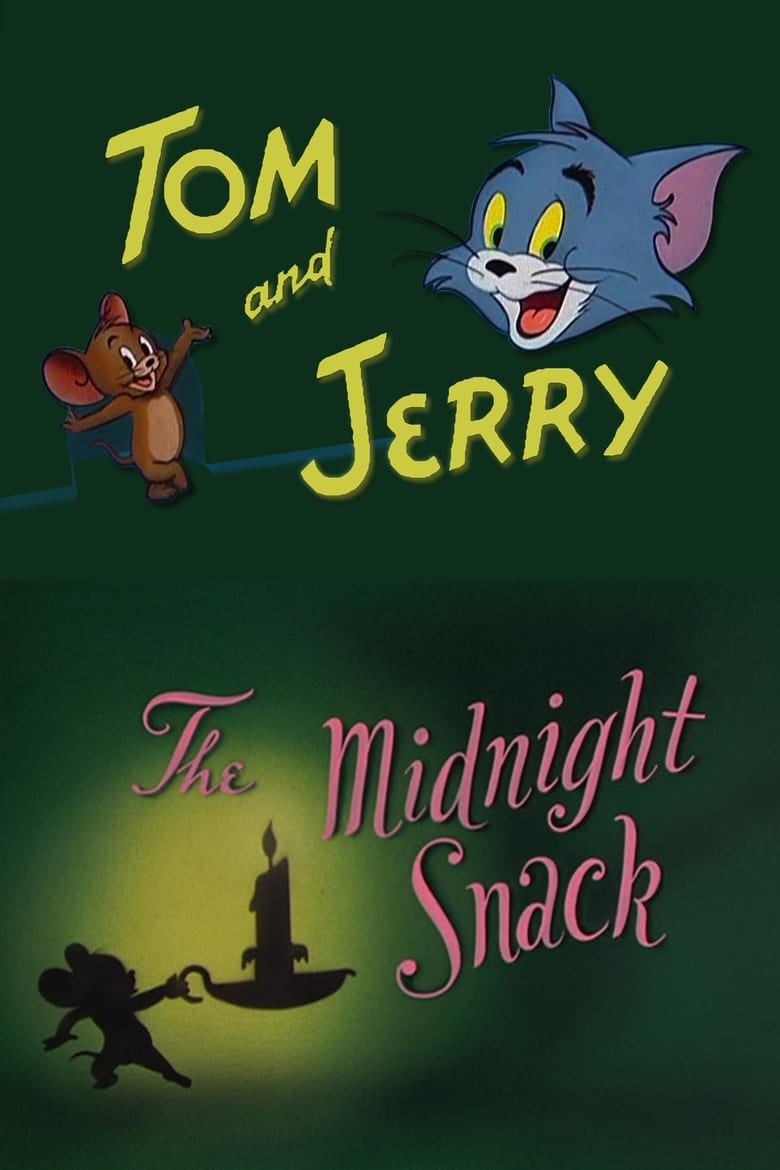
Jerry takes a midnight snack from the fridge unaware that Tom is watching him.
Overall Score
Minimal
Category Breakdown
LGBTQ+ Representation
The narrative centers on a predatory and evasive dynamic between two non-human characters. There is no evidence of queer subtext or non-cisnormative identities.
Gender Representation
The short relies on stylized archetypes common to early 1940s animation. Without female-coded characters, the film lacks any subversion of gender hierarchies.
Racial & Ethnic Diversity
The cast consists entirely of anthropomorphic animals. There is no indication of ethnic metaphors or race-bent casting within the story.
Religious & Cultural Diversity
The plot depicts a disruption of domestic order through midnight snacking. It follows standard slapstick tropes rather than critiquing Western institutions or morality.
Disability Representation
The focus remains strictly on physical agility and slapstick evasion. No characters are depicted with visible or invisible disabilities.
Strengths
Areas for Improvement
AI Analysis
The Midnight Snack is a classic example of early 1940s kinetic storytelling, focusing on the high-frequency slapstick tradition of the Tom and Jerry series. The narrative architecture is built around a simple disruption of the domestic sphere, specifically a kitchen setting. Because the characters are anthropomorphic animals engaged in a predatory/prey dynamic, the film lacks human-centric social representation. It functions as a brief character study of physical conflict rather than a vehicle for complex social or intersectional themes. Ultimately, the work adheres to the established physical comedy paradigms of its era. It prioritizes movement and domestic chaos over any intentional drive toward progressive narrative shifts or diverse character identities.
1960
1949
1944

1948
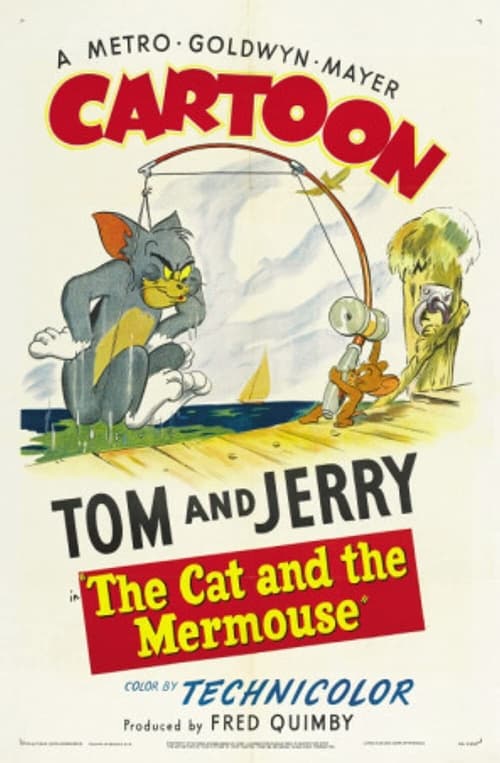
1949
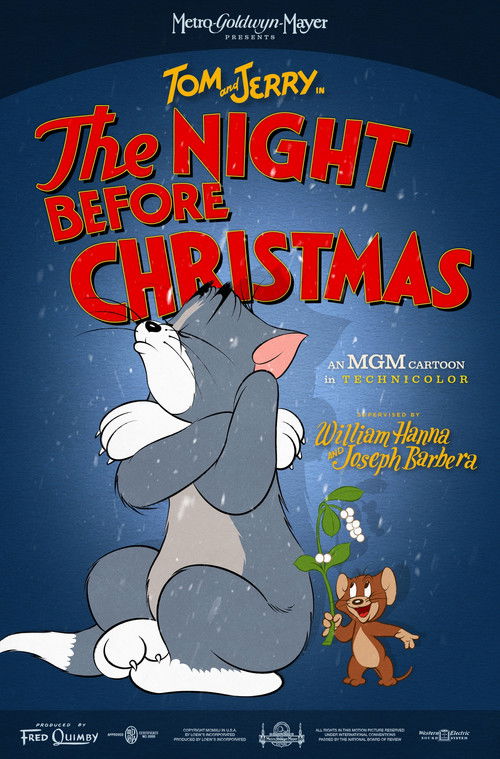
1941
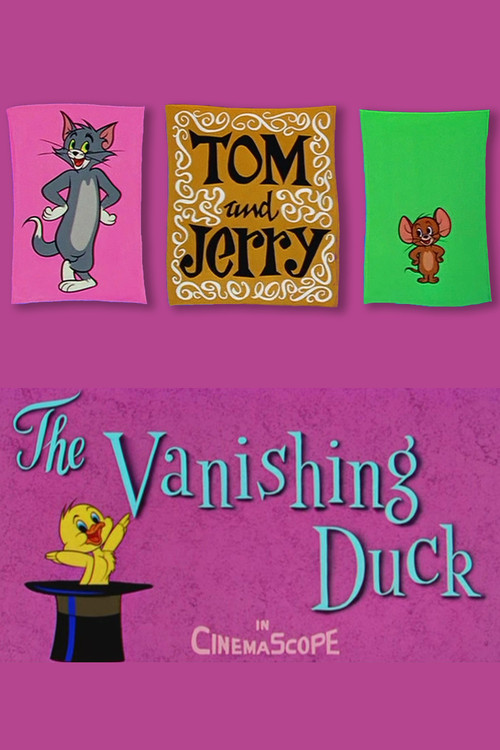
1958
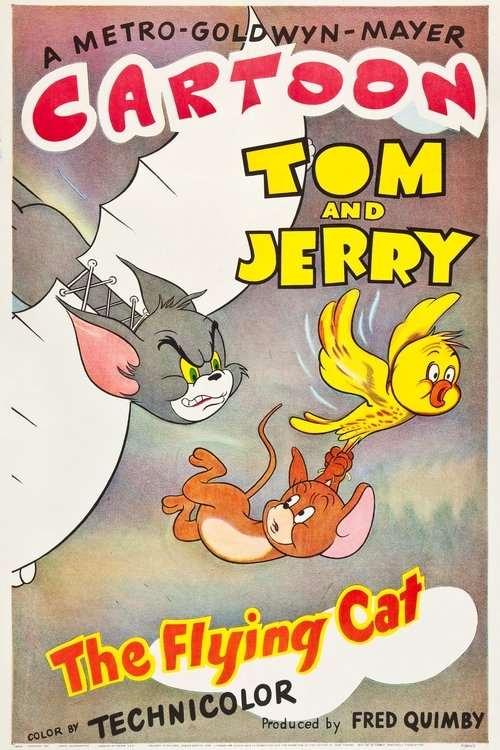
1952
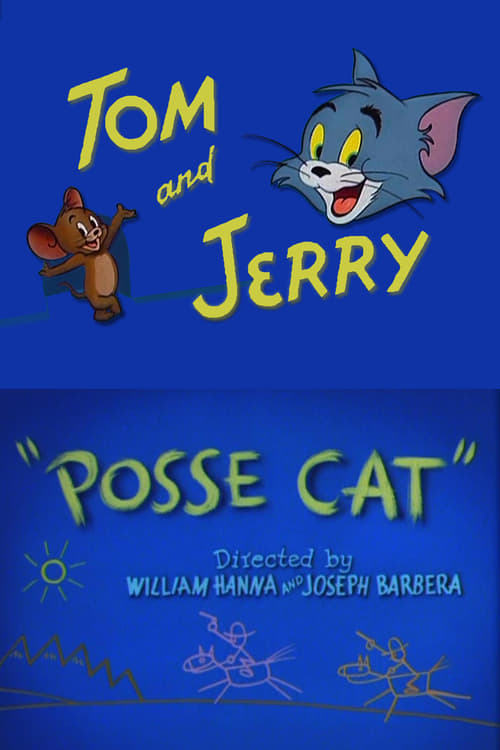
1954
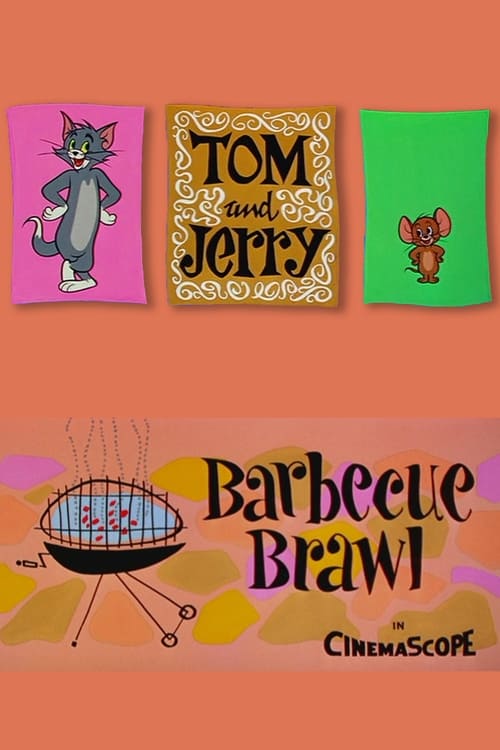
1956
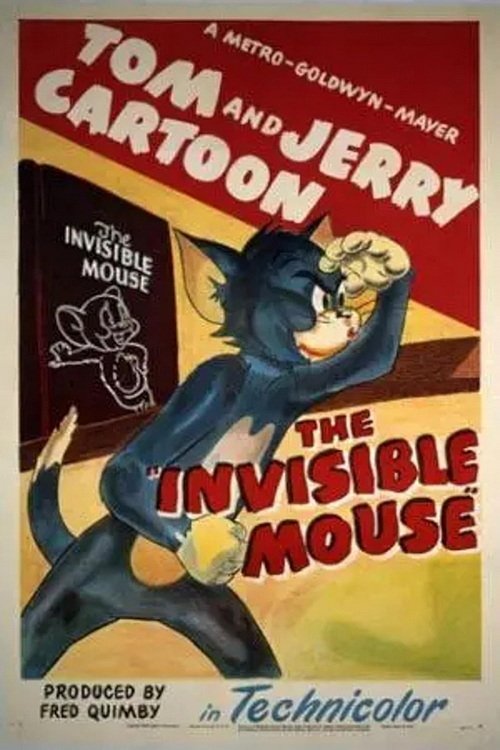
1947
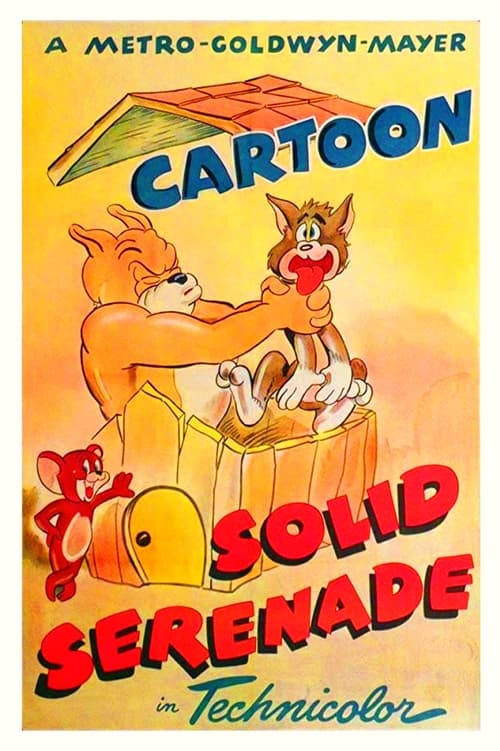
1946
No reviews yet. Be the first to share your thoughts on this movie!
Use the rating form above to leave a star rating and optional review.