
The Conspirators
1972
No user ratings available yet
Diversity score: 6.4 out of 10
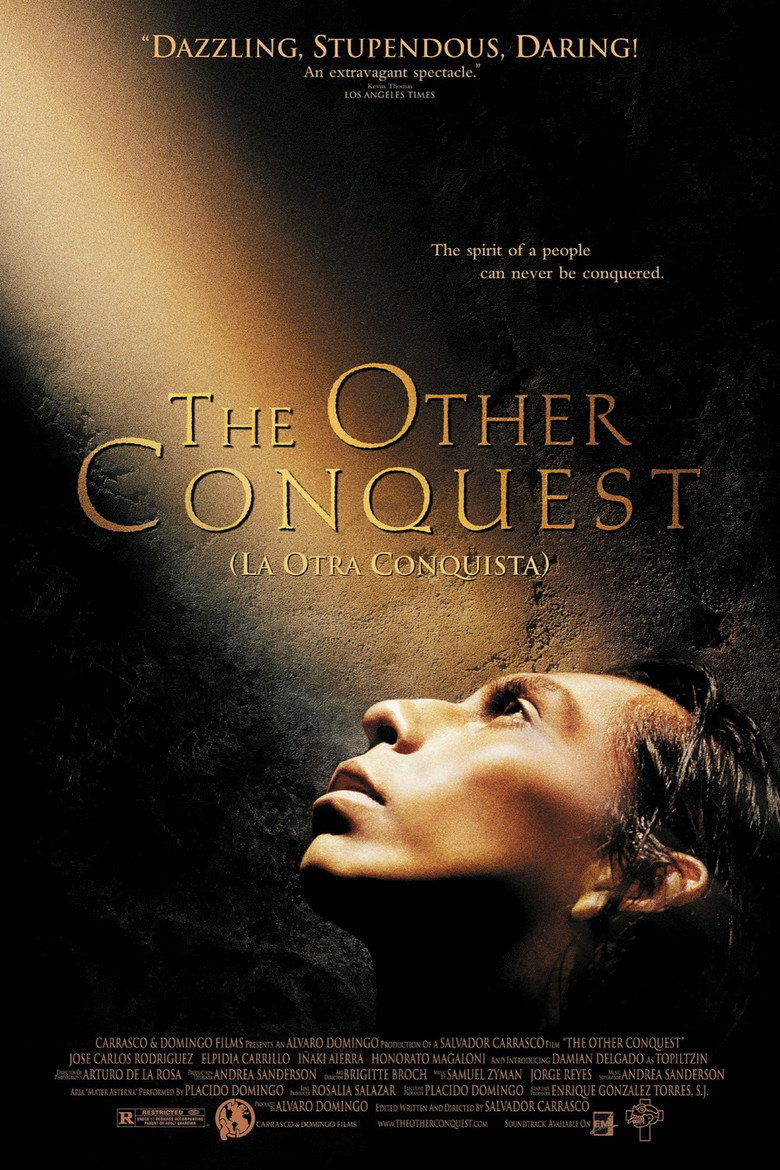
1999
RDirector
Salvador Carrasco
Runtime
105 minutes
Average Rating
No ratings yetSynopsis
The film is a drama about the aftermath of the 1520s Spanish Conquest of Mexico told from the perspective of the indigenous Aztec people. It explores the social, religious, and psychological changes brought about by a historical process of colonization that both defined the American continent and is also highly reminiscent of today’s neocolonialism.
Overall Score
Good
Category Breakdown
LGBTQ+ Representation
The film focuses on the violent intersection of colonial patriarchy and indigenous social structures. There are no explicit depictions of non-heteronormative identities or LGBTQ+ characters within the primary plot.
Gender Representation
The narrative centers the female experience, using the protagonist Atotou to explore the psychological toll of colonial imposition. It critiques traditional hierarchies by portraying sexual conquest as a tool of systemic dominance.
Racial & Ethnic Diversity
The film excels by centering the indigenous Aztec experience as the primary narrative driver. It avoids whitewashing, presenting indigenous populations with high agency, depth, and complex spiritual lives.
Religious & Cultural Diversity
This work prioritizes a post-colonial framework, portraying Western institutional power as an instrument of erasure. It highlights the tragic tension between indigenous spirituality and institutionalized Catholicism.
Disability Representation
There are no prominent depictions of visible or invisible disabilities used as central plot devices or character traits.
Strengths
Areas for Improvement
AI Analysis
Salvador Carrasco’s drama succeeds as a profound deconstruction of the colonial encounter. By shifting the perspective away from Eurocentric myths, the film centers the indigenous Aztec experience and examines the systemic trauma of colonization. The film's strength lies in its cultural and racial depth. It effectively critiques Western religious hegemony and portrays the destruction of indigenous social structures as a central tragedy rather than a civilizing mission. However, the narrative lacks LGBTQ+ representation and does not feature characters with disabilities. The focus remains strictly on the gendered violence and the clash of disparate ontological frameworks during the Spanish Conquest.
1972
2013
1960
1975
2012
1989

1963

2019
2006

1985
2023
2011
No reviews yet. Be the first to share your thoughts on this movie!
Use the rating form above to leave a star rating and optional review.