
Last Harem
1999
No user ratings available yet
Representation score: 6.5 out of 10
Representation Score
Fair
1994
Director
Moufida Tlatli
Runtime
124 minutes
Average Rating
No ratings yetNew Showbiz Analysis
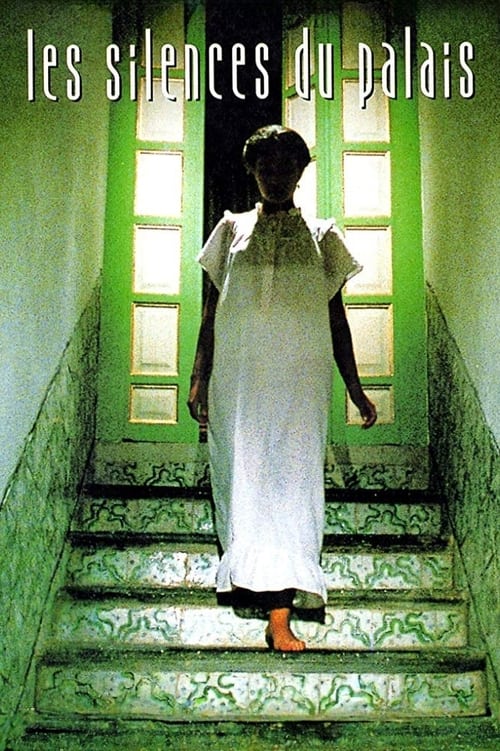
The Silences of the Palace is a sophisticated exploration of the overlapping oppressions within a Tunisian context. It masterfully deconstructs the 'double colonization' of women, who face both external colonial hegemony and internal patriarchal structures. The film excels by centering North African identities and critiquing Western-centric historical perspectives. By focusing on the lived experiences of women navigating restrictive domesticity, it transforms the private sphere into a powerful site of political and social commentary. While the film is highly progressive in its treatment of gender and ethnicity, it lacks representation for LGBTQ+ identities and does not feature characters with disabilities.
Category Breakdown
The film does not include explicit LGBTQ+ identities or same-sex intimacy. Instead, it focuses on the straight-centered constraints and domestic expectations of the era.
The narrative challenges traditional hierarchies by highlighting the psychological resistance and active role of women. It portrays the domestic sphere as a place of both confinement and subtle rebellion.
This Tunisian production provides authentic North African representation. It prioritizes an Arab cast and perspective, challenging homogeneous narratives often found in colonial-era depictions.
The film offers a profound critique of Western colonial institutions and the French Protectorate. It explores the tension between local traditions and colonial imposition.
There are no prominent depictions of visible or invisible disabilities that serve as central plot drivers or character studies.
Present on Screen
Limited or Absent
Official Synopsis
The death of a prince brings a young woman back to the palace where she was born into servitude. The lingering legacy is brought into light from behind frosted windows and velvet curtains.
1999

1988
1987
2000

2009

2017
2001

2005
No reviews yet. Be the first to share your thoughts on this movie!
Use the rating form above to leave a star rating and optional review.