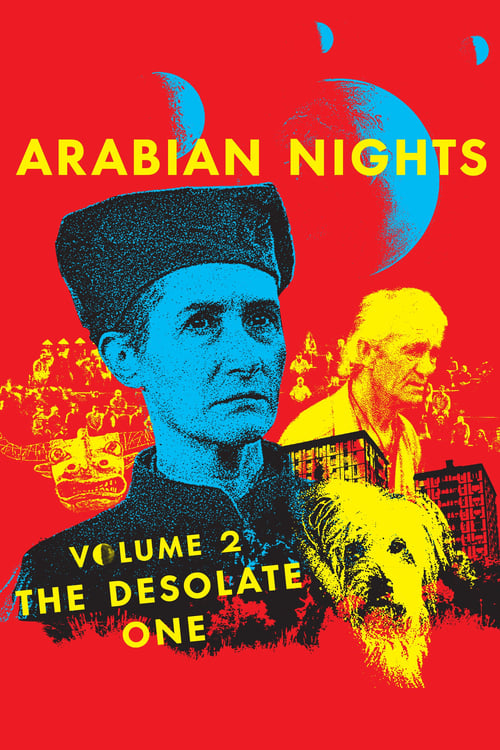
Arabian Nights: Volume 2, The Desolate One
2015
No user ratings available yet
Representation score: 8.0 out of 10

Representation Score
Excellent
2015
Not RatedDirector
Miguel Gomes
Runtime
126 minutes
Average Rating
No ratings yetNew Showbiz Analysis
Miguel Gomes delivers a postmodern deconstruction of traditional storytelling, emphasizing the fluidity of identity over straightforward representation. The film excels at subverting traditional power dynamics, particularly regarding gender hierarchies and moral rigidity. While the work challenges Western storytelling conventions and explores the fluid nature of identity, it lacks clear markers for racial and disability-based diversity. The focus remains on stylistic subversion and the exploration of underrepresented identities through metaphor. Ultimately, the film is a sophisticated study of subjectivity, trading overt social representation for a deeper exploration of how identity and truth are constructed within the cinematic frame.
Category Breakdown
The film explores identity as a flexible concept rather than a fixed reality. It touches on non-traditional ideas of desire without showing same-sex intimacy explicitly.
Scheherazade plays a significant role in driving the story, challenging the idea of women as passive subjects. The film presents women as creators of myths rather than objects of a gaze.
Set mostly in contemporary Lisbon, the film focuses on local communities. It uses fairy tale motifs as metaphors for the 'other,' blurring the lines between the familiar and the exotic.
The work deconstructs Western storytelling traditions by prioritizing personal truth over strict moral codes. It criticizes rigid structures like the Palace in favor of a more liberated exploration of experience.
There is no explicit evidence of characters with disabilities driving the plot. Themes of bewitchment may touch on altered consciousness, but no specific disability narratives are present.
Present on Screen
Limited or Absent
Official Synopsis
In which Scheherazade doubts that she will still be able to tell stories to please the King, given that what she has to tell weighs three thousand tonnes. She therefore escapes from the palace and travels the Kingdom in search of pleasure and enchantment. Her father, the Grand-Vizier, arranges to meet her at the Ferris wheel, and Scheherazade resumes her narration: “Auspicious King, in old shanty towns of Lisbon there was a community of bewitched men who, in all rigour and passion, dedicated themselves to teaching birds to sing…”. And seeing the morning break, Scheherazade fell silent.
2015
1974
2015

1966
2001
2017

2005
2024
No reviews yet. Be the first to share your thoughts on this movie!
Use the rating form above to leave a star rating and optional review.