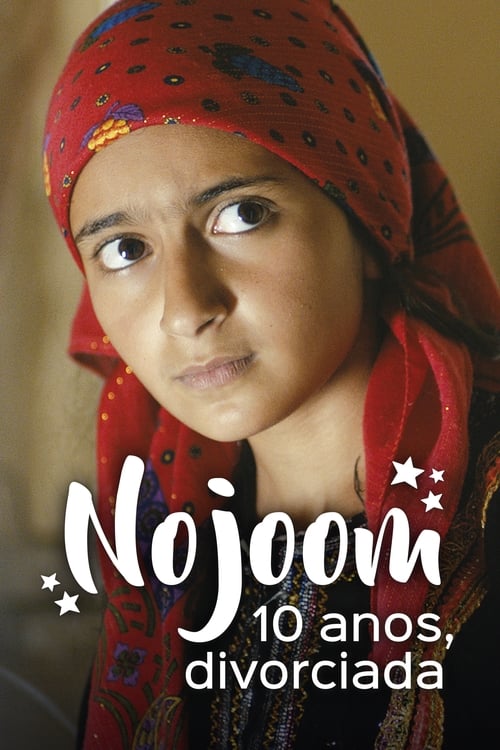
I Am Nojoom, Age 10 and Divorced
2014
No user ratings available yet
Representation score: 4.9 out of 10

Representation Score
Fair
2019
RDirector
Ash Mayfair
Runtime
96 minutes
Average Rating
No ratings yetNew Showbiz Analysis
The Third Wife is a sophisticated period drama that centers on the psychological evolution of a young woman within a restrictive patriarchal landscape. It succeeds by prioritizing women's ability to drive the story and exploring the tension between individual autonomy and entrenched social hierarchies. The film excels in its cultural immersion, utilizing a Persian cast and specific 19th-century Iranian customs to drive the plot. This approach avoids treating the setting as an exotic backdrop, instead using it to critique the intersection of religious and familial authority. While the film offers a nuanced look at gender and cultural oppression, it lacks representation for LGBTQ+ identities and does not feature characters with disabilities.
Category Breakdown
The film does not include any LGBTQ+ characters or narratives. The central conflict revolves around traditional marriage and reproductive expectations.
The story challenges female passivity by highlighting May's internal strength and reclaiming of desire. It portrays masculine authority as a restrictive force rather than a benevolent leadership.
The film centers a Persian cast and explores 19th-century rural Iranian culture. It avoids a Western-centric perspective by immersing viewers in local customs and aesthetics.
The narrative critiques how religious authority and patriarchal family structures can be oppressive. It frames the protagonist's actions as essential acts of self-discovery.
There are no visible or invisible depictions of disability within the narrative.
Present on Screen
Limited or Absent
Official Synopsis
Though only 14 years old, May is selected to be the third wife of a wealthy landowner. Her new home seems idyllic, her husband favours her, and she quickly becomes pregnant with what she is certain will be the desired male progeny. But trouble is quietly brewing: she witnesses a forbidden tryst that will spark a chain reaction of misfortunes — and stir in May urges that until now had been dormant.
2014
2016

2015
2014
2012
2016

2023
2000
No reviews yet. Be the first to share your thoughts on this movie!
Use the rating form above to leave a star rating and optional review.