Still Bill
2010
No user ratings available yet
Representation score: 5.3 out of 10
Representation Score
Good
2018
TV-MADirector
Rashida Jones, Alan Hicks
Runtime
124 minutes
Average Rating
No ratings yetNew Showbiz Analysis
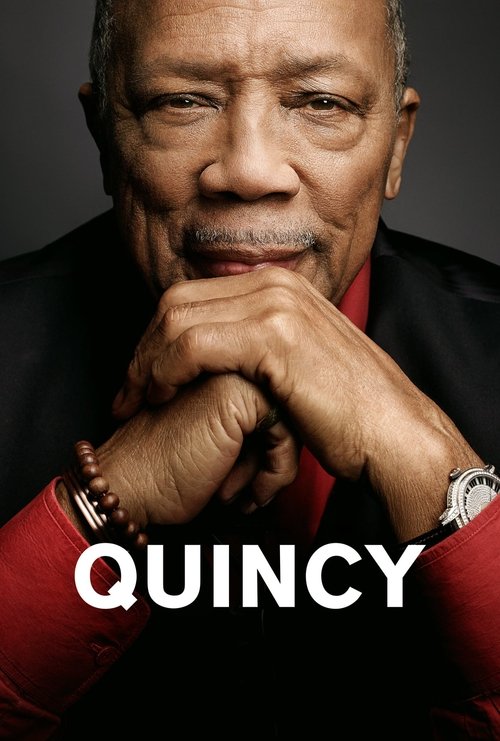
Quincy is a profound biographical study that centers on the intersection of racial identity and industry power. Its primary strength lies in documenting the navigation of systemic racial barriers through the lens of a singular, influential life. While the film provides a deep dive into the socioeconomic realities of the 20th century, it remains narrow in its scope regarding other identities. It does not actively engage with LGBTQ+ narratives or challenge traditional gender hierarchies. Ultimately, the documentary serves as a testament to Black ability to act and professional mastery, making it a significant work of historical and cultural representation despite its limited focus on gender and sexual diversity.
Category Breakdown
The documentary does not focus on LGBTQ+ identities or narratives that question the assumption that everyone is straight or cisgender. It explores the icon's social circles but does not depict non-traditional gender identities or same-sex relationships.
The story focuses on the professional journey of a male icon. It operates as a biography rather than a critique of gendered power structures or traditional leadership roles.
The film excels in showing Black excellence and navigating racial landscapes. It follows Jones’s journey through the Jim Crow era to highlight his mastery of a white-dominated industry.
The documentary offers a sophisticated critique of systemic structures within the music industry. It frames the struggle for equity through the lens of overcoming institutional and racial barriers.
There are no prominent depictions of visible or invisible disabilities that serve as central narrative elements in this biographical context.
Present on Screen
Limited or Absent
Official Synopsis
An intimate look into the life of icon Quincy Jones. A unique force in music and popular culture for 70 years, Jones has transcended racial and cultural boundaries; his story is inextricably woven into the fabric of America. Jones came to prominence in the 1950s as a jazz arranger and conductor before working on pop music and film scores. He moved easily between musical genres, producing major pop hits of the early 1960s and serving as an arranger and conductor for several collaborations in the same time period.
2010
2021
2015
2021

2017
2015
2017

2022
No reviews yet. Be the first to share your thoughts on this movie!
Use the rating form above to leave a star rating and optional review.