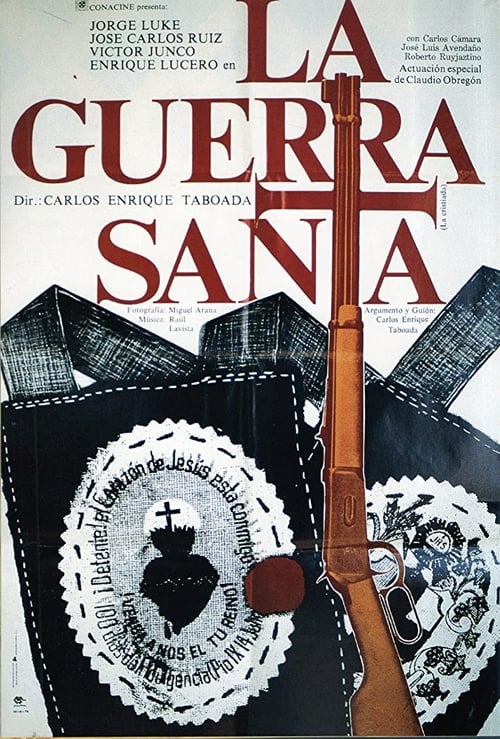
The Holy War
1979
No user ratings available yet
Representation score: 3.8 out of 10
Representation Score
Fair
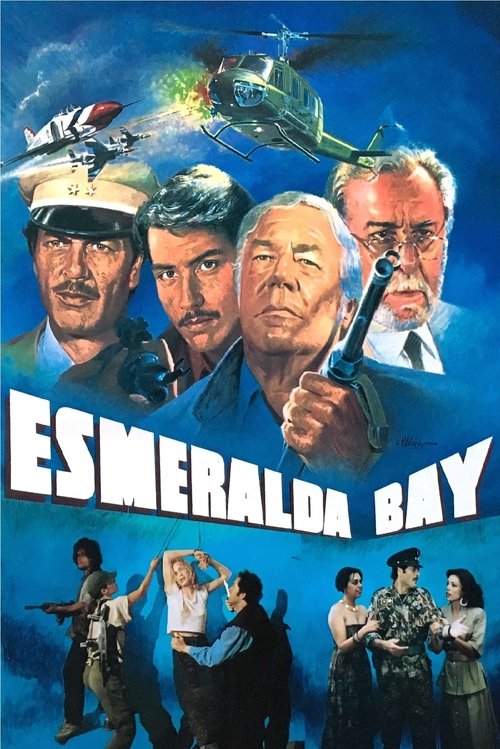
1989
Not RatedDirector
Jesús Franco
Runtime
104 minutes
Average Rating
No ratings yetNew Showbiz Analysis
Esmeralda Bay presents a narrative focused on systemic conflict and the subversion of authority. By centering a priest leading rebels against a corrupt military dictatorship, the film examines the tension between institutional power and grassroots resistance. The film successfully creates a progressive socio-political landscape by emphasizing local ability to act in a Central American context, challenging traditional state-centric power structures and exploring post-colonial dynamics. However, the film lacks depth in other areas of representation. The focus remains heavily on male-led political struggle, leaving questions about women's roles and LGBTQ+ inclusion unanswered.
Category Breakdown
The film focuses on political and religious conflicts. There are no LGBTQ+ characters or narratives that challenge the assumption that everyone is straight or cisgender.
The main character is a male priest. While the rebellion challenges traditional power structures, the story does not provide specific details about women's roles or control over the narrative.
Set in the Central American country of Puerto Santo, the film centers on local populations. It explores post-colonial dynamics through a regional struggle.
The story critiques organized institutions by showing a priest leading a rebellion against a corrupt military dictatorship. It highlights the military dictatorship as a corrupt, oppressive force.
There is no information available regarding the depiction of physically or neurodivergently diverse characters in this film.
Present on Screen
Limited or Absent
Official Synopsis
A priest secretly leads rebels in their struggle against the corrupt military dictatorship of the Central American country of Puerto Santo.
1979

2005
1969

2020

2002

1993
2019
1969
No reviews yet. Be the first to share your thoughts on this movie!
Use the rating form above to leave a star rating and optional review.