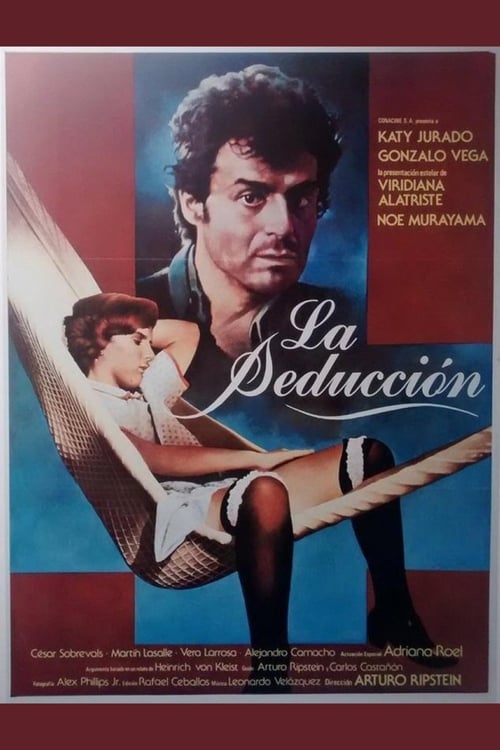
Seduction
1981
No user ratings available yet
Representation score: 5.6 out of 10
Representation Score
Fair
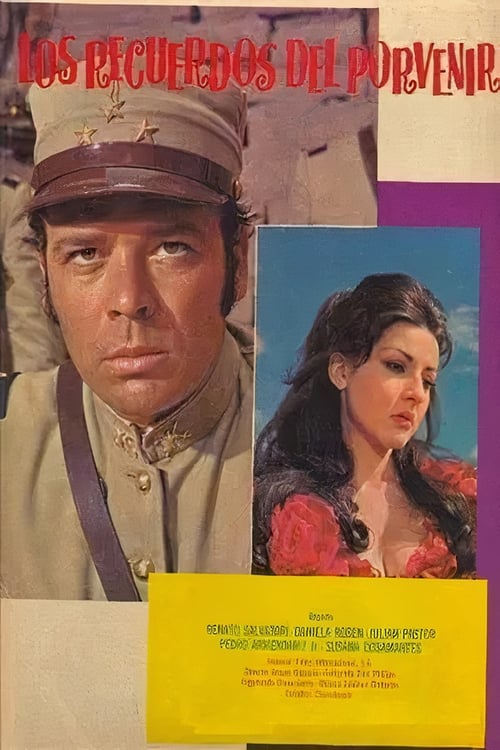
1969
Director
Arturo Ripstein
Runtime
115 minutes
Average Rating
No ratings yetNew Showbiz Analysis
Ripstein’s film offers a localized, non-Western perspective by centering the Cristero Rebellion. It moves away from traditional historical clichés by prioritizing individual impulses over institutional or religious mandates. The narrative succeeds in giving the female lead significant influence, transforming her from a potential victim of war into a calculated driver of the plot. This provides a refreshing subversion of gendered archetypes common in period dramas. However, the film remains rooted in traditional romantic structures. The lack of queer representation or disability visibility limits its engagement with broader identity-based frameworks.
Category Breakdown
The story focuses on heterosexual passion and betrayal. There is no evidence of queer-coded subtext or non-binary gender identities.
The main female character challenges traditional passivity. She demonstrates significant influence by orchestrating a town's surrender to fulfill her personal desires.
Set during the Cristero Rebellion, the film centers a Mexican perspective. It avoids Western-centric narratives by focusing on local dynamics.
The film explores morality through individual passion rather than religious duty. It portrays the Cristero Rebellion through a lens of human frailty.
There is no discernible evidence regarding the portrayal of physical or neurodivergent disabilities in the narrative.
Present on Screen
Limited or Absent
Official Synopsis
A story where the Cristero Rebellion creates a story of love, passion, and betrayal. When the Federal Rosas and his lover arrive in a town, a local woman feels strangely attracted to him. The woman will surrender under the pretext that the population is liberated when in reality she wants to consummate the passion that ignites her.
1981

1946
1959
1971
1950
1976
1963
2002
No reviews yet. Be the first to share your thoughts on this movie!
Use the rating form above to leave a star rating and optional review.