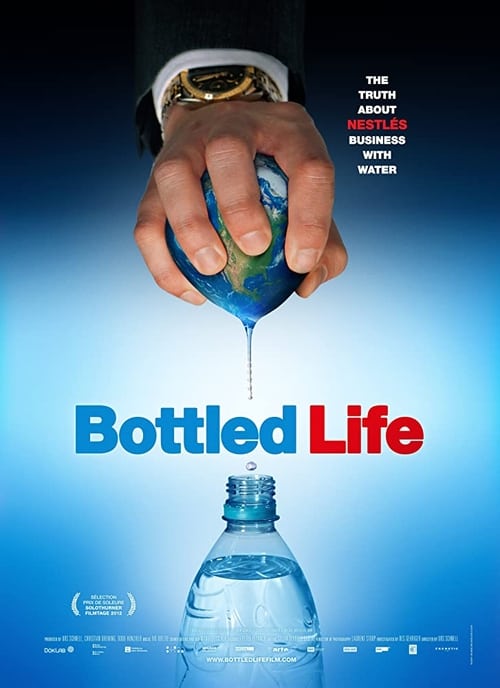
Bottled Life: Nestle's Business with Water
2012
No user ratings available yet
Representation score: 5.2 out of 10
Representation Score
Good
2009
GDirector
Stephanie Soechtig, Jason Lindsey
Runtime
76 minutes
Average Rating
No ratings yetNew Showbiz Analysis
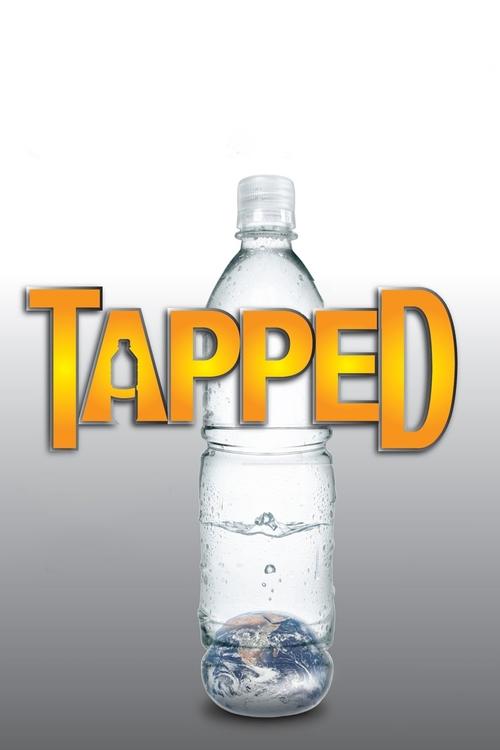
Tapped is a specialized investigative documentary that prioritizes systemic critique over identity-based character studies. It functions primarily as an examination of corporate accountability and the privatization of essential resources. The film's impact stems from its deconstruction of capitalist structures. It frames the bottled water industry as a force that creates inequity, particularly for underrepresented groups. While it lacks specific representation of LGBTQ+ or disability-focused narratives, it highlights the socioeconomic and ecological consequences of unregulated market expansion.
Category Breakdown
The documentary focuses on environmental justice and corporate regulation. There is no significant presence of LGBTQ+ characters or narratives centered on non-straight identities.
Stephanie Soechtig directs the film, providing a female perspective on a male-dominated industrial subject. The narrative shifts focus from industrial strength to community vulnerability.
The film explores how resource privatization disproportionately affects underrepresented communities. It examines how water commodification impacts diverse populations unequally.
The film critiques late-stage capitalism and the privatization of human rights. It frames the bottled water industry as an oppressive force against collective human needs.
There is no explicit focus on disability as a central narrative driver. The film touches on systemic vulnerability and how environmental degradation impacts physical well-being.
Present on Screen
Limited or Absent
Official Synopsis
Is access to clean drinking water a basic human right, or a commodity that should be bought and sold like any other article of commerce? Stephanie Soechtig's debut feature is an unflinching examination of the big business of bottled water. From the producers of Who Killed the Electric Car and I.O.U.S.A., this timely documentary is a behind-the-scenes look into the unregulated and unseen world of an industry that aims to privatize and sell back the one resource that ought never to become a commodity: our water. From the plastic production to the ocean in which so many of these bottles end up, this inspiring documentary trails the path of the bottled water industry and the communities which were the unwitting chips on the table. A powerful portrait of the lives affected by the bottled water industry, this revelatory film features those caught at the intersection of big business and the public's right to water.
2012
2010
2008
2000
2008

2024
2010

2020
No reviews yet. Be the first to share your thoughts on this movie!
Use the rating form above to leave a star rating and optional review.