Blue Gold: World Water Wars
2008
No user ratings available yet
Representation score: 8.5 out of 10
Representation Score
Excellent
2019
Director
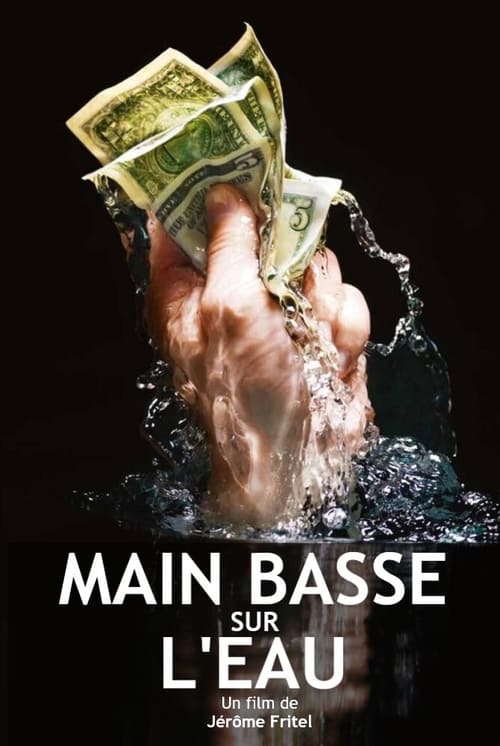
Jérôme Fritel
Runtime
88 minutes
Average Rating
No ratings yetNew Showbiz Analysis
Lords of Water excels as a systemic critique of global hierarchies, moving beyond individual identity politics to examine the clash between corporate interests and human necessity. By focusing on the financialization of water, the film challenges the dominance of Western market-driven ideologies. The documentary's strength lies in its global investigative lens, providing ability to act to non-Western subjects and underrepresented communities most affected by resource monopolization. However, the film remains largely neutral regarding specific identity-based narratives, such as gender subversion or LGBTQ+ representation.
Category Breakdown
The film does not focus on LGBTQ+ identities or include queer-coded character arcs. Instead, it examines macroeconomic shifts and institutional power dynamics.
The film emphasizes the perspectives of diverse experts and focuses on class and resource access rather than gender hierarchies. It does not specifically address gender subversion or LGBTQ+ representation.
The film highlights the global impact of water scarcity on the Global South, prioritizing the perspectives of vulnerable, non-Western subjects facing systemic resource shifts.
The narrative critiques Western financial hegemony from a post-colonial perspective, framing the 'blue gold' rush as a threat to collective human survival.
The film does not focus on disability or neurodivergence. It does not provide specific portrayals of physical or mental disabilities.
Present on Screen
Limited or Absent
Official Synopsis
They call it ’blue gold.’ Around the world, demand for water is exploding. By 2050, at least one in four will live in a country suffering from water shortages - creating ideal conditions for a new market. Goldman Sachs, HSBC, UBS, Allianz, Deutsche Bank, BNP. Banks, investment funds and hedge funds are all rushing to invest billions of euros in anything related to water. A real monopoly of water has begun. From California to Australia, from New York to London via Marseille, we investigate the financialization of water. New power relations are being established and access to water is being threatened. It’s a battle taking place on many fronts: ideological, political, environmental, and of course, economic. The fate of nearly 10 billion inhabitants around the world depends on its outcome.
2008
2010
2010
2009
2009
2009
2012
2008
No reviews yet. Be the first to share your thoughts on this movie!
Use the rating form above to leave a star rating and optional review.