
After Truth: Disinformation and the Cost of Fake News
2020
No user ratings available yet
Diversity score: 5.7 out of 10
2007
PG-13Director
Adriana Barbaro, Jeremy Earp
Runtime
66 minutes
Average Rating
No ratings yetSynopsis
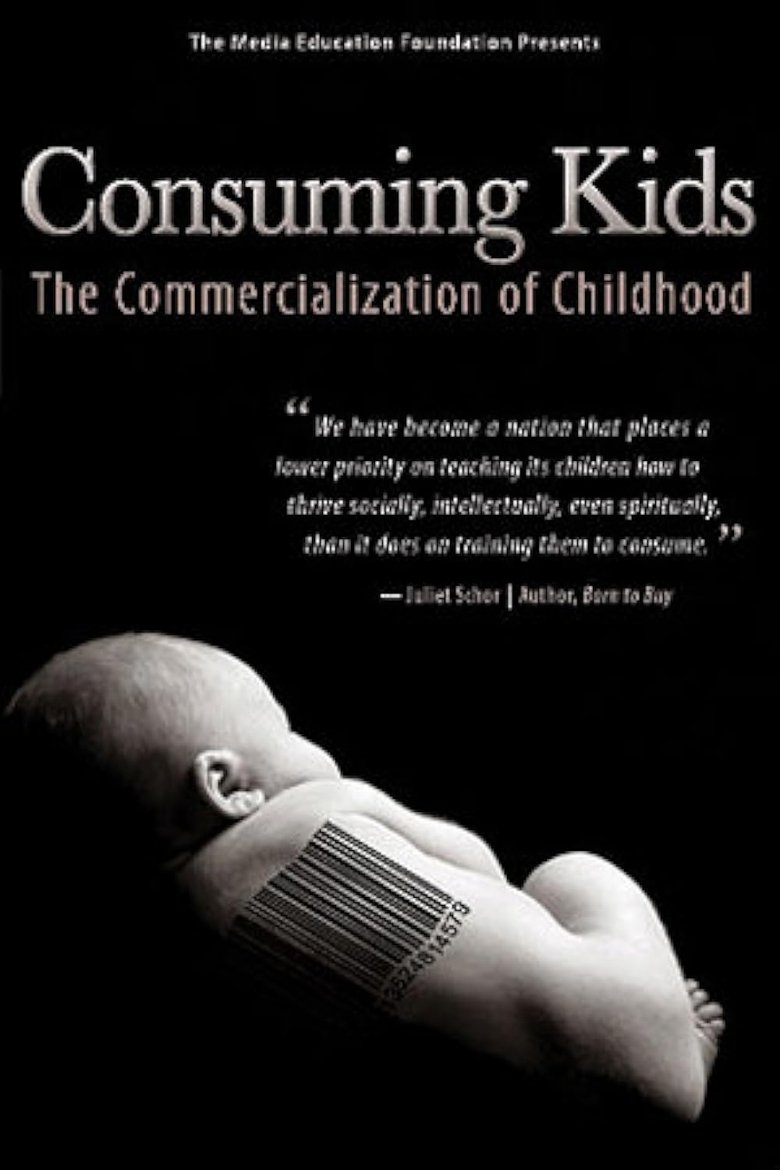
Consuming Kids throws desperately needed light on the practices of a relentless multi-billion dollar marketing machine that now sells kids and their parents everything from junk food and violent video games to bogus educational products and the family car. Drawing on the insights of health care professionals, children's advocates, and industry insiders, the film focuses on the explosive growth of child marketing in the wake of deregulation, showing how youth marketers have used the latest advances in psychology, anthropology, and neuroscience to transform American children into one of the most powerful and profitable consumer demographics in the world. Consuming Kids pushes back against the wholesale commercialization of childhood, raising urgent questions about the ethics of children's marketing and its impact on the health and well-being of kids.
Overall Score
Fair
Category Breakdown
LGBTQ+ Representation
The documentary maintains a neutral stance regarding queer identities. Because the film focuses on macro-economic mechanics and deregulation, it does not center on LGBTQ+ narratives or specific queer storylines.
Gender Representation
The film avoids reinforcing traditional domestic roles by focusing on predatory market forces. It provides a platform for diverse professional voices, including female healthcare experts, to critique corporate capitalism.
Racial & Ethnic Diversity
The narrative treats the 'American child' as a universalized consumer demographic. Representation is driven by the necessity of expert testimony rather than a centralized effort toward a non-white majority cast.
Religious & Cultural Diversity
The film achieves high marks by disrupting conventional celebrations of capitalism. It critiques the 'American Dream' as a commercialized construct and questions the morality of unchecked market expansion.
Disability Representation
Neurodivergence and physical disabilities are not central themes. However, the investigation into how neuroscience is weaponized by marketers implicitly touches upon the vulnerability of developing brains.
Strengths
Areas for Improvement
AI Analysis
Consuming Kids serves as a systemic critique of late-stage capitalism rather than a study of identity politics. Its primary objective is to expose how marketing machines exploit children through psychological and neurological manipulation. While the film lacks specific focus on LGBTQ+ or racial narratives, it achieves progressive value by deconstructing Western economic institutions. It frames deregulation and corporate success as systemic threats to the well-being of vulnerable populations. Ultimately, the documentary prioritizes sociological and ethical arguments over identity-based representation, focusing on the universal impact of commercialization on the developing child.
2020

2024

2003

2018

2020
2018

2017
2014

2009

2018

2014

2009
No reviews yet. Be the first to share your thoughts on this movie!
Use the rating form above to leave a star rating and optional review.