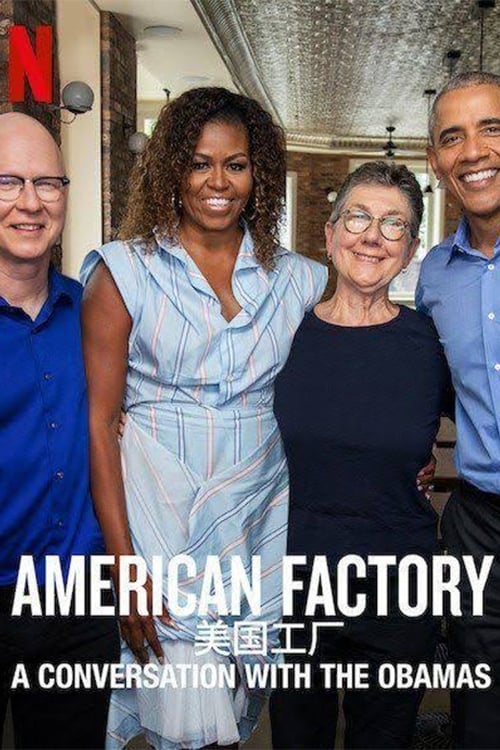
American Factory: A Conversation with the Obamas
2019
No user ratings available yet
Diversity score: 6.4 out of 10
2012
PGDirector
Kristi Jacobson, Lori Silverbush
Runtime
84 minutes
Average Rating
No ratings yetSynopsis
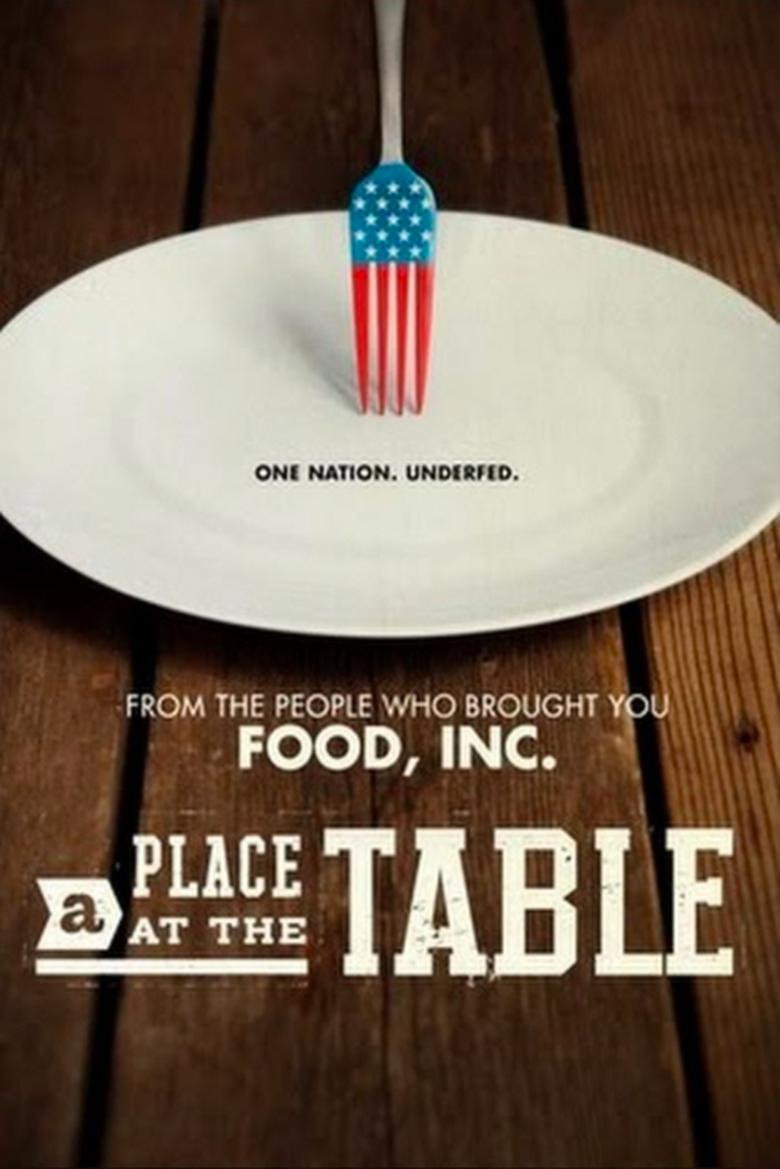
Using personal stories, this powerful documentary illuminates the plight of the 49 million Americans struggling with food insecurity. A single mother, a small-town policeman and a farmer are among those for whom putting food on the table is a daily battle.
Overall Score
Good
Category Breakdown
LGBTQ+ Representation
The film does not center on LGBTQ+ identities or non-cisnormative narratives. It lacks queer-specific perspectives regarding resource access or critiques of heteronormative family structures.
Gender Representation
The narrative highlights the vulnerabilities of single mothers navigating socioeconomic landscapes. It provides nuanced representation by focusing on the resilience of female caregivers within failing systems.
Racial & Ethnic Diversity
A diverse cast of Black, Hispanic, and White individuals demonstrates that food insecurity is an intersectional crisis. This approach disrupts tropes that confine poverty to a single demographic.
Religious & Cultural Diversity
The documentary critiques Western economic structures and capitalist distribution models. It frames food scarcity as a systemic institutional failure rather than a personal moral failing.
Disability Representation
The film touches on how food insecurity exacerbates physical or mental health vulnerabilities. However, specific depictions of neurodivergence or visible disabilities are not central to the narrative.
Strengths
Areas for Improvement
AI Analysis
A Place at the Table succeeds as a sophisticated social critique that moves beyond tokenism. By utilizing intersectional perspectives, the film effectively challenges the perceived stability of American economic institutions and resource distribution. The documentary's primary strength is its systemic approach. It avoids treating poverty as a monolith, instead showcasing how various racial and ethnic groups experience structural failures. This provides a broad, impactful view of the crisis. However, the film lacks depth in specific identity-based narratives. The absence of LGBTQ+ perspectives and the secondary treatment of disability limit its reach across all diversity spectrums.
2019
2015
2008

1984
2019
2014
2014

2021

2019

2014
2018
2016
No reviews yet. Be the first to share your thoughts on this movie!
Use the rating form above to leave a star rating and optional review.