
Last Train Home
2009
No user ratings available yet
Diversity score: 5.7 out of 10
2006
Director
Jia Zhangke
Runtime
65 minutes
Average Rating
No ratings yetSynopsis
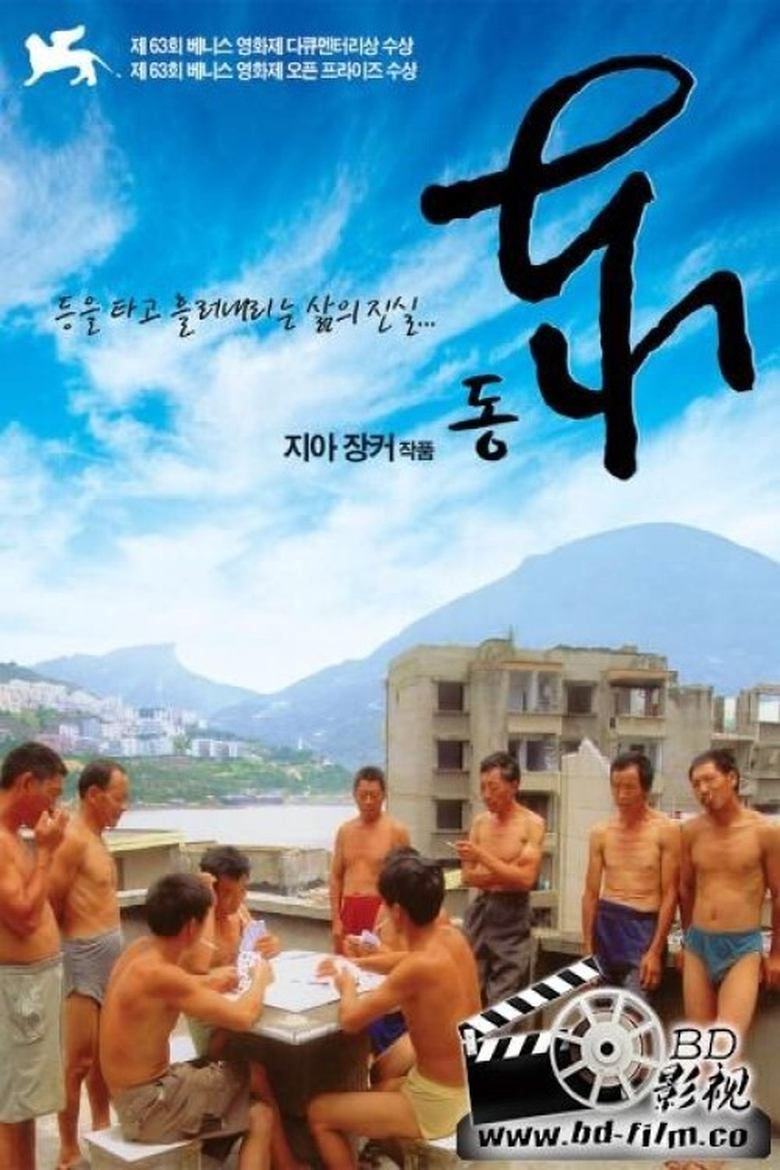
Jia Zhangke travels with painter Liu Xiaodong from China to Thailand as they as they meet everyday workers in the throes of social turmoil. Liu Xiaodong is well-known for his monumental canvases, particularly those inspired by China's Three Gorges Dam project. Jia Zhangke visits Liu on the banks of Fengjie, a city about to be swallowed up by the Yangtze River. The area is in the process of being "de-constructed" by armies of shirtless male workers who form the subject of Liu's paintings. Liu and Jia next travel to Bangkok, where Liu paints Thai sex workers languishing in brothels. The two sets of paintings are united in their subjects' shared sense of malaise in the face of the dehumanizing labor afforded them.
Overall Score
Fair
Category Breakdown
LGBTQ+ Representation
The film lacks explicit LGBTQ+ characters or non-heteronormative narratives. The focus remains strictly on the socioeconomic realities of the working class and sex workers.
Gender Representation
The narrative offers a nuanced portrayal of women navigating precarious socioeconomic positions. It highlights how economic instability disproportionately affects female agency in both China and Thailand.
Racial & Ethnic Diversity
Diversity is achieved through geographical movement from China to Thailand. The film explores the shared malaise of the global underclass through a transnational lens.
Religious & Cultural Diversity
The film provides a sophisticated critique of the transition to market-driven capitalism. It frames industrial progress as a dehumanizing process that dismantles traditional social stability.
Disability Representation
There is no significant or intentional focus on visible or invisible disabilities. Character struggles are framed through physical labor and socioeconomic status rather than health.
Strengths
Areas for Improvement
AI Analysis
Jia Zhangke’s documentary is a profound meditation on the human cost of globalization. By following painter Liu Xiaodong, the film captures the systemic displacement of individuals caught between state-led industrialization and market expansion. The film excels in its transnational scope, moving from the banks of the Yangtze to the streets of Bangkok. This allows for a cross-cultural exploration of labor and exploitation that transcends a mono-cultural perspective. While the film lacks representation for LGBTQ+ identities and disability, it provides a powerful critique of how global capital impacts the marginalized underclass. It prioritizes the perspective of those being deconstructed by modern economic forces.
2009

2011

2015
2013

2019

2016

2020

2008

2004
2001
1997
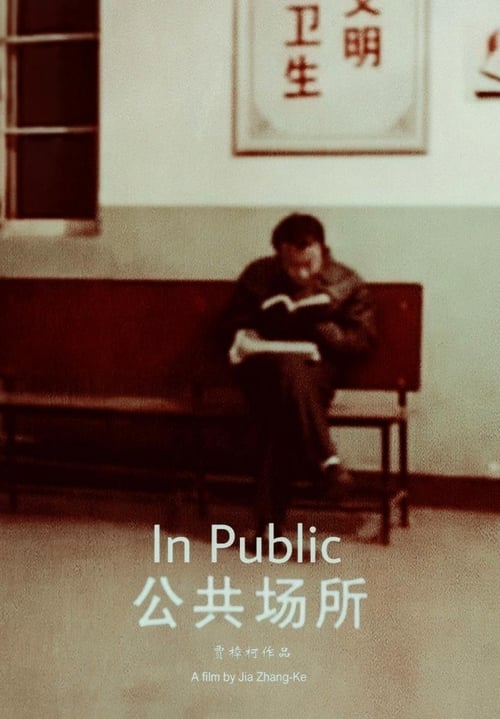
2001
No reviews yet. Be the first to share your thoughts on this movie!
Use the rating form above to leave a star rating and optional review.