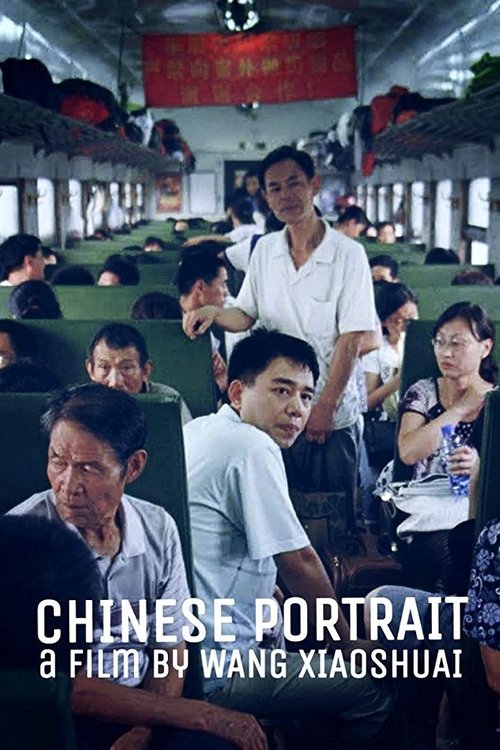
Chinese Portrait
2018
No user ratings available yet
Representation score: 8.2 out of 10
Representation Score
Excellent
2001
Director
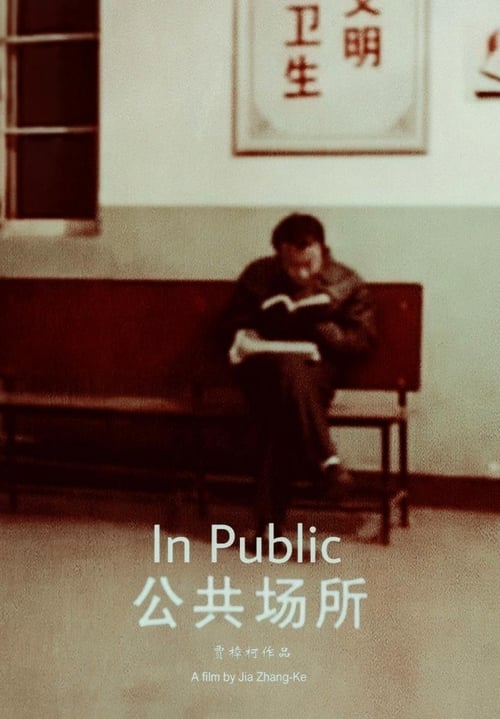
Jia Zhangke
Runtime
30 minutes
Average Rating
No ratings yetNew Showbiz Analysis
Jia Zhangke utilizes social realism to document the friction between tradition and rapid modernization. The film succeeds by dismantling grand narratives of national progress through the mundane experiences of those affected by economic changes. While the work lacks specific engagement with identity-based politics like LGBTQ+ or disability, it achieves progressive value through its structural critique of capitalism. It shifts the focus from spectacular heroism to the exhaustion of the working class. The film's strength lies in its observational approach to the socio-economic consequences of globalization and internal migration.
Category Breakdown
The film does not include explicit queer narratives or non-straight character arcs. Instead, it focuses on the conventional social structures found within the urban working class.
By avoiding heroic male clichés, the film presents a fragmented view of gender. Both men and women are depicted as equally weary subjects of an industrial landscape.
The work provides a vital counter-narrative to Western-centric perspectives. It centers a Chinese working-class reality through the lens of class and geography.
The film offers a profound critique of capitalist expansion and the displacement caused by the Three Gorges Dam. It captures the erosion of traditional community ties.
There is no explicit focus on clinical disabilities. However, it captures a sense of social disability, depicting characters sidelined by the overwhelming pace of urban transformation.
Present on Screen
Limited or Absent
Official Synopsis
A fragmentary landscape for a little train station in a suburban area and a bus stop in a mining town. A lonely soldier in his heavy coat, a tired old man, a bubbly young lady, a punk, a woman waiting in the street... From all those different people in these unfamiliar places, we can feel the exhaustion of every life.
2018
1929

2006
1997
2008

2018

2008
2000
No reviews yet. Be the first to share your thoughts on this movie!
Use the rating form above to leave a star rating and optional review.