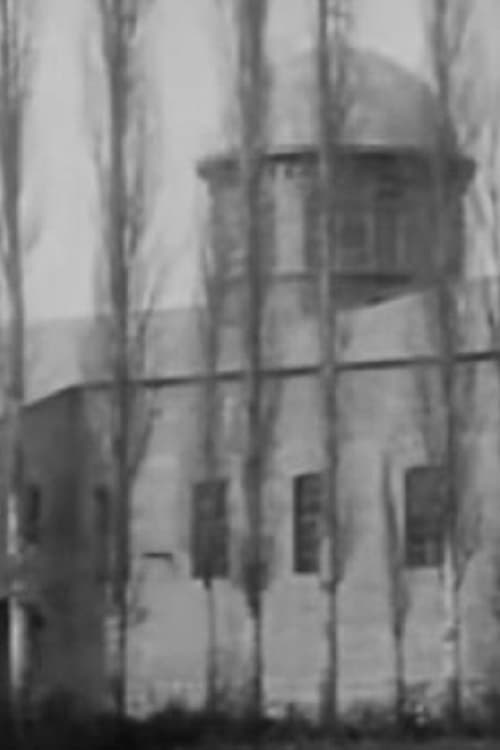
Grevena Church
1911
No user ratings available yet
Representation score: 1.5 out of 10
Representation Score
Minimal
1911
Director
Yanaki Manaki, Milton Manaki
Runtime
1 minutes
Average Rating
No ratings yetNew Showbiz Analysis
This early Balkan documentary serves as a vital ethnographic record rather than a tool for social change. Its value lies in its preservation of the socioeconomic and ethnic textures of 1911 Grevena, providing a baseline for historical understanding. Because the work predates modern concepts of identity politics, it does not engage in the intentional disruption of social hierarchies. It remains a conservative, observational snapshot of a community functioning within its existing religious and social institutions. While the film lacks contemporary progressive narratives, it captures a specific, multi-ethnic social fabric that is essential for studying the historical reality of the region.
Category Breakdown
The film functions as an observational documentary of a 1911 geographic location. It contains no evidence of LGBTQ identities or non-binary gender expressions.
Women appear within public and domestic spheres, reflecting the traditional gender roles of the early 20th century. The footage serves as a passive record of established social structures.
The film provides a significant historical record of the Balkan region's ethnic composition. It offers a nuanced look at the multi-ethnic landscape through a localized lens.
The footage depicts the architecture, dress, and daily customs of a Greek town. It reinforces the cultural and religious norms of the era without challenging them.
There is no documented evidence of individuals with visible or invisible disabilities being portrayed as central subjects or with significant influence.
Present on Screen
Limited or Absent
Official Synopsis
Early Balkan footage.
1911
1908
1905
1905
1905
1911

1912
1908
No reviews yet. Be the first to share your thoughts on this movie!
Use the rating form above to leave a star rating and optional review.