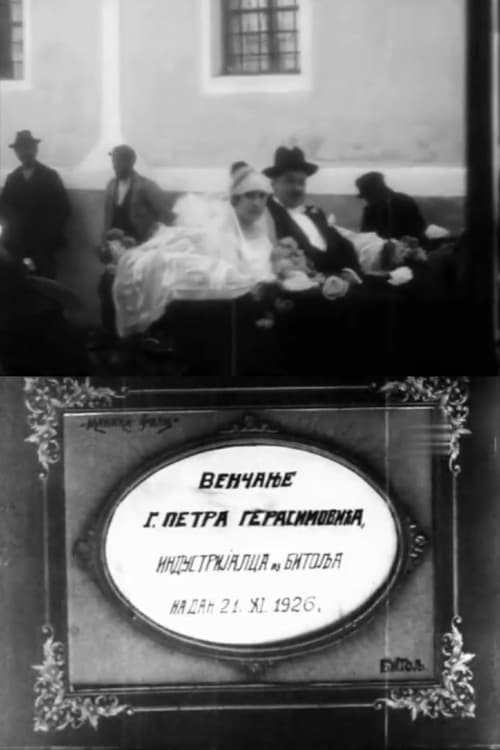
A Wedding in Bitola
1905
No user ratings available yet
Representation score: 1.8 out of 10
Representation Score
Minimal
1905
Director
Yanaki Manaki, Milton Manaki
Runtime
2 minutes
Average Rating
No ratings yetNew Showbiz Analysis
This archival documentary functions as a historical window into Balkan communal life during the Ottoman era. It prioritizes the preservation of a specific cultural moment over the representation of diverse social identities. The footage is characterized by the rigid social hierarchies of the early 20th century. While it provides significant documentation of ethnic heritage, it lacks representation of underrepresented groups. Ultimately, the film serves a preservationist purpose. It captures the stability of traditional religious and patriarchal structures rather than challenging contemporary social norms.
Category Breakdown
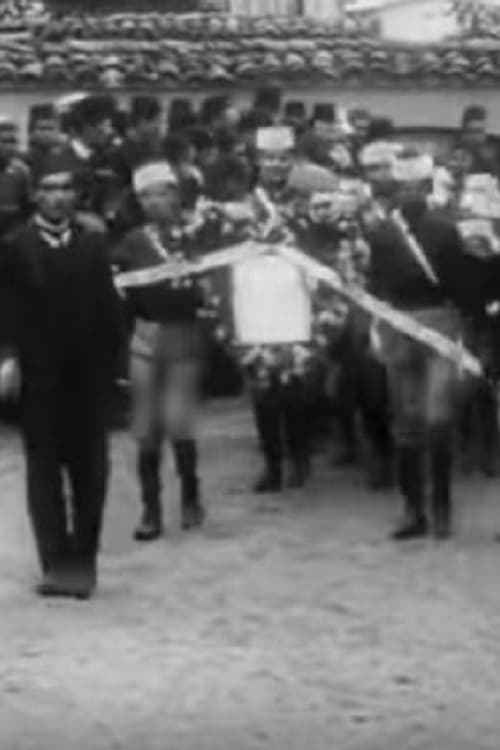
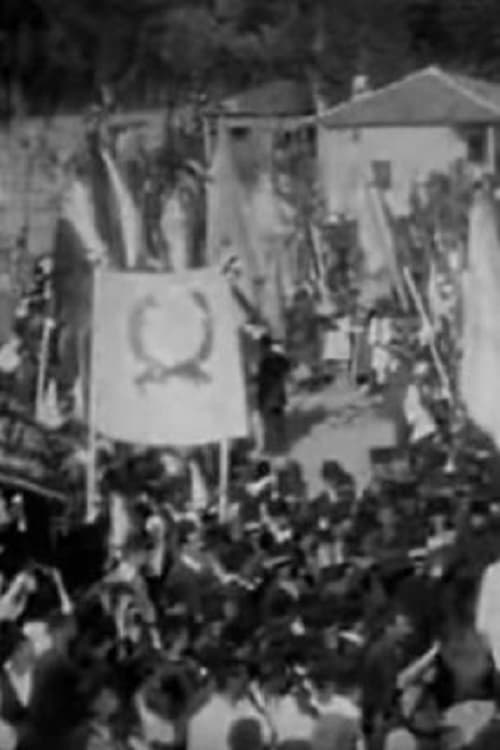
The footage captures a traditional religious and civic celebration. There is no evidence of LGBTQ+ identities or non-straight social structures.
Women appear in public roles but are defined by traditional domestic or communal participation. The event's structure remains centered around patriarchal hierarchies.
The film documents the specific cultural and linguistic heritage of the local Bitola population. While ethnically homogeneous, it serves as a vital record of non-Western historical identity.
The film focuses on religious piety and the reinforcement of ecclesiastical authority. It celebrates traditional social institutions and offers no engagement with secularism or institutional critique.
There is no visible evidence of subjects with physical or neurodivergent disabilities. No individuals with disabilities are portrayed with ability to act or as central figures.
Present on Screen
Limited or Absent
Official Synopsis
Early Balkan footage.
1905
1905
1905

1912
1908
1908
1905
1911
No reviews yet. Be the first to share your thoughts on this movie!
Use the rating form above to leave a star rating and optional review.