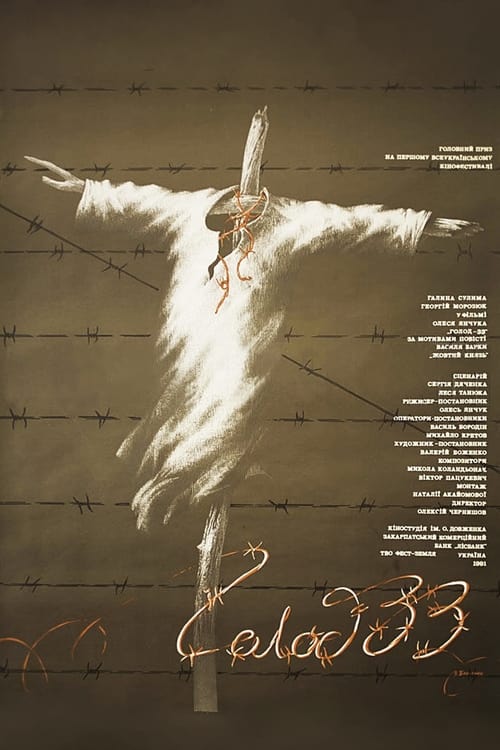
Famine-33
1991
No user ratings available yet
Representation score: 4.4 out of 10

Representation Score
Good
1968
Director
Rollan Serhiyenko
Runtime
68 minutes
Average Rating
No ratings yetNew Showbiz Analysis
White Clouds is a powerful exploration of ethnic identity and historical memory. By focusing on the Ukrainian experience during the Holodomor, the film challenges the monolithic Soviet identity and asserts a unique cultural truth. The narrative centers on the personal experiences of victims, providing a strong foundation for ethnic and cultural representation. However, the film’s heavy reliance on patriarchal lineage and the lack of visible LGBTQ+ or disability representation limit its broader diversity impact.
Category Breakdown
The story focuses on family history and past traumas but does not include any explicit LGBTQ characters or non-straight relationships.
The plot revolves around a son and his father, highlighting patriarchal traditions. However, the depiction of the Holodomor hints at the strength and resilience of women during this time.
The film examines Ukrainian identity against the backdrop of forced collectivization. It challenges the monolithic Soviet narrative by focusing on specific ethnic struggles and historical trauma.
The film emphasizes the personal experiences of famine victims over state-imposed morality. It revisits the Holodomor to reclaim the truth from state-sanctioned narratives.
There is no mention of physical or neurodivergent disabilities in the film.
Present on Screen
Limited or Absent
Official Synopsis
A man is notified of his father's imminent death. He travels to his father in a remote Ukrainian village, recalling his childhood during the disastrous forced collectivization and artificial famine (Holodomor) of the 1930s by the Soviet regime. The film was heavily cut due to censorship by the Soviet Government.
1991
1930
1968
1985
1985

2019
1988
1967
No reviews yet. Be the first to share your thoughts on this movie!
Use the rating form above to leave a star rating and optional review.