Voilà
1994
No user ratings available yet
Representation score: 2.9 out of 10
Representation Score
Limited
1995
Director
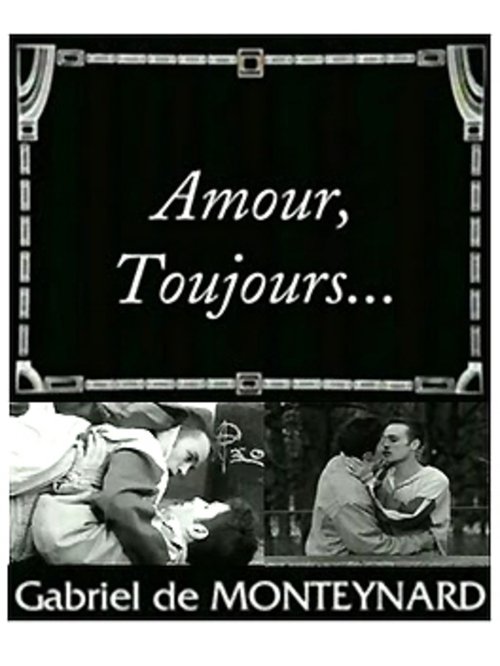
Gabriel de Monteynard
Runtime
5 minutes
Average Rating
No ratings yetNew Showbiz Analysis
Gabriel de Monteynard’s short film offers a unique aesthetic experience by emulating the silent film style of the 1930s. By centering a story on two men meeting in Paris, the work moves away from traditional storytelling structures. However, the lack of information about the racial identities of the characters and the absence of female roles limit a full understanding of its social breadth. Ultimately, the film serves as a stylistic experiment that provides non-traditional representation through its core premise, even if it lacks detailed exploration of broader social identities.
Category Breakdown
The film centers on a meeting between two men in Paris, disrupting the typical focus on heterosexual relationships by placing male-to-male interactions at the heart of the story.
The narrative emphasizes the role of male characters, with no female characters present. This limits the ability to assess gender power dynamics and the subversion of traditional feminine roles.
The documentation provides no information regarding the racial or ethnic identities of the protagonists. No assessment can be made regarding the diversity of the cast.
The film uses a 1930s silent-film aesthetic to tell a 1995 story, engaging with cinematic history but lacking specific ideological critiques.
There is no mention of neurodivergence, physical disabilities, or sensory impairments in the narrative.
Present on Screen
Limited or Absent
Official Synopsis
Made in the style of silent films of the 1930s, this short film tells the story of two guys meeting in Paris.
1994
1932
1984
2017
2002
1980
1982

2019
No reviews yet. Be the first to share your thoughts on this movie!
Use the rating form above to leave a star rating and optional review.