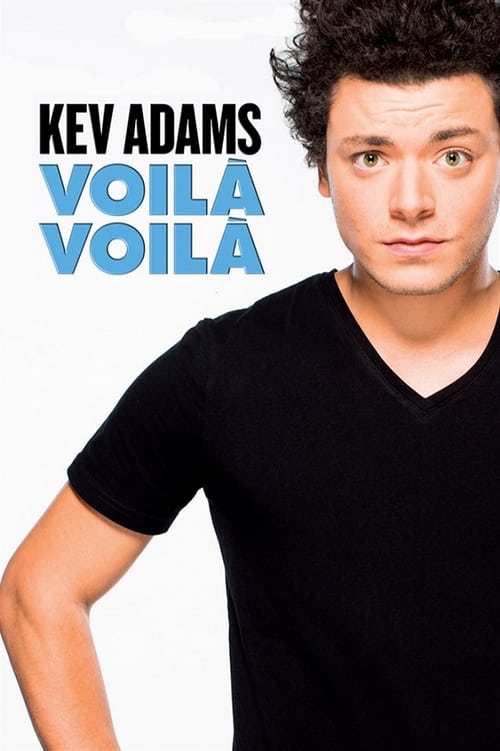
Kev Adams - Voilà Voilà
2014
No user ratings available yet
Representation score: 4.8 out of 10
No Poster Available
Representation Score
Limited
1994
Director
Bruno Podalydès
Runtime
35 minutes
Average Rating
No ratings yetNew Showbiz Analysis
Voilà (1994) functions as a conventional comedy that adheres to the traditional demographic and narrative norms of 1990s French cinema. The film lacks efforts to disrupt established social or identity-based hierarchies, resulting in a low diversity profile. The production relies on a standard European ensemble and traditional casting. Without storytelling that reflects multiple aspects of identity or narrative subversion, the film remains rooted in a mainstream, straight-centered framework. Ultimately, the film provides little to no representation for underrepresented groups, focusing instead on established social structures and traditional character archetypes.
Category Breakdown
The film does not include any explicit LGBTQ+ characters or narratives. It operates within a traditional comedic framework without visible representation of non-straight identities.
Denis Podalydès leads the cast, but there is no evidence of women playing significant roles in driving the story. The film does not challenge traditional masculine hierarchies.
The production features a standard European comedic ensemble. There is no evidence of diverse casting used to challenge historical norms or demographic distributions.
The narrative relies on established social structures. It lacks themes that challenge traditional religious or cultural institutions.
There is no information regarding the inclusion of characters with visible or invisible disabilities in the film.
Present on Screen
Limited or Absent
2014

1979
2001
2002
2004

2002
2011
1982
No reviews yet. Be the first to share your thoughts on this movie!
Use the rating form above to leave a star rating and optional review.