
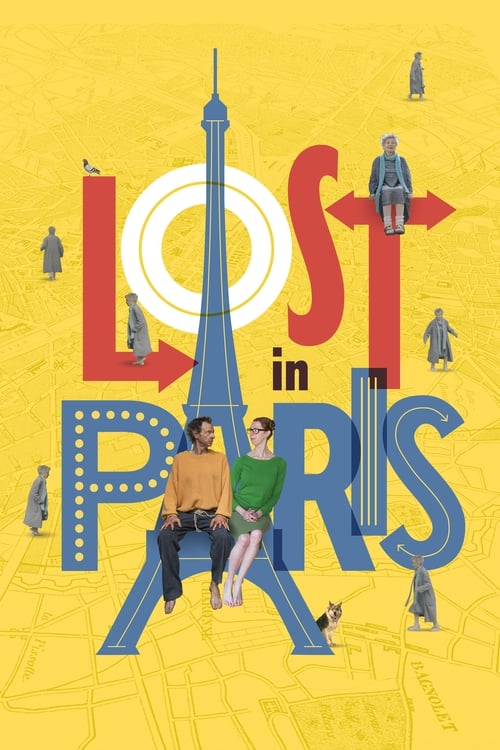
Idiot in Paris
1967
No user ratings available yet
Representation score: 4.7 out of 10
Representation Score
Good
2017
Not RatedDirector
Fiona Gordon, Dominique Abel
Runtime
83 minutes
Average Rating
No ratings yetNew Showbiz Analysis
Lost in Paris is a character-driven comedy that finds its strength in subverting social norms. By focusing on a homeless man and a female-led support system, the film moves away from traditional power structures and prioritizes underrepresented social statuses. However, the film lacks explicit data regarding LGBTQ+ identities and racial diversity. While the setting and character types suggest potential for broader representation, the specific identities of the cast remain unconfirmed. Ultimately, the film succeeds in challenging conventional social decorum through its focus on characters existing on the fringes of organized society.
Category Breakdown
The film does not explicitly confirm the sexual orientation or gender identity of its main characters. While the comedic tone may hint at non-straight relationships, these identities remain unverified.
The story focuses on a female protagonist and her female relative, shifting the narrative away from traditional patriarchal structures. This female-centric support system provides a moderate level of gender representation.
The Parisian setting offers potential for diverse encounters, but the cast's racial composition is not confirmed. The inclusion of a homeless character adds a socioeconomic layer to the urban landscape.
The narrative disrupts social hierarchies by centering a homeless individual who expresses unfiltered emotions. This approach prioritizes perspectives from the margins of capitalist urban structures.
Aunt Martha’s myopia introduces a visual impairment into the story. Whether the condition is treated as a functional reality or a mere plot device determines the impact of this representation.
Present on Screen
Limited or Absent
Official Synopsis
Fiona visits Paris for the first time to assist her myopic Aunt Martha. Catastrophes ensue, mainly involving Dom, a homeless man who has yet to have an emotion or thought he was afraid of expressing.
1967

1996

2019

2017
2005

1993

2016
2012
No reviews yet. Be the first to share your thoughts on this movie!
Use the rating form above to leave a star rating and optional review.