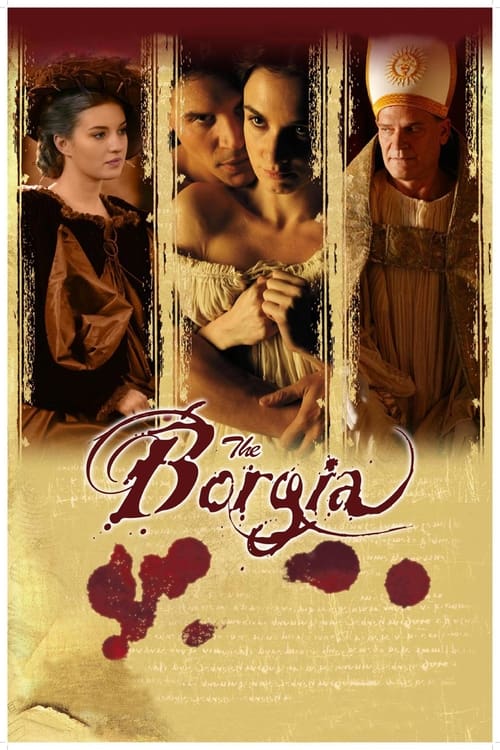
The Borgia
2006
No user ratings available yet
Representation score: 2.8 out of 10

Representation Score
Minimal
2006
Director
Christoph Schrewe
Runtime
100 minutes
Average Rating
No ratings yetNew Showbiz Analysis
The Conclave is a period drama that prioritizes historical accuracy and institutional hierarchy over social disruption. By focusing on the 1458 papal election, the film centers its narrative on a rigid, patriarchal structure that naturally excludes diverse identities. The film functions as a study of ecclesiastical politics rather than a vehicle for diverse representation. The power dynamics are concentrated within a male-dominated, Eurocentric religious framework, leaving little room for underrepresented voices or non-traditional perspectives. Ultimately, the work adheres to the historical constraints of its setting. It reflects the established social norms of the 15th-century Catholic Church rather than challenging them through a modern lens of diversity.
Category Breakdown
The film does not include any characters with non-binary or transgender identities. The 15th-century setting implies a narrative influenced by strict religious and heterosexual norms.
The story focuses on a male-only hierarchy of cardinals, which excludes women from the central power dynamics and leadership roles.
The cast likely follows a Eurocentric framework typical of the 15th-century Church. There are no characters of color with significant roles in the political maneuvering.
The film concentrates on the internal workings of a Western religious institution. It operates within traditional frameworks of religious authority.
There is no information regarding the portrayal of neurodivergence or physical disabilities among the cardinals or the supporting cast.
Present on Screen
Limited or Absent
Official Synopsis
In 1458, five years after the fall of Constantinople to the Turk, eighteen cardinals meet to elect a new pope. Rodrigo Borgia, a 27 year old cardinal learns to play a very dangerous game.
2006

2005
2003

1963

2014

1964
1974
1969
No reviews yet. Be the first to share your thoughts on this movie!
Use the rating form above to leave a star rating and optional review.