Beatrice Cenci
1941
No user ratings available yet
Representation score: 2.8 out of 10
Representation Score
Limited
1959
Director
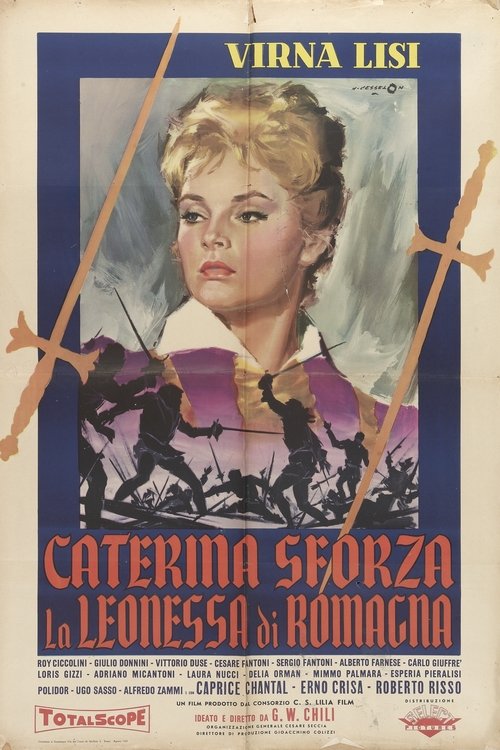
Giorgio Walter Chili
Runtime
100 minutes
Average Rating
No ratings yetNew Showbiz Analysis
The film's commitment to inclusion is primarily evident in its portrayal of gender dynamics. By placing a female protagonist in a position of political command, it breaks away from the typical passive portrayal of women in historical epics. However, the film remains a traditional historical biopic. It lacks representation of race, LGBTQ+ identities, and disabilities, focusing instead on the socio-religious constraints of Renaissance Italy. Overall, the film adheres to a conventional approach to historical storytelling, centered on the European ruling class and the pursuit of statecraft.
Category Breakdown
The film follows the social norms of its time and does not include any LGBTQ+ characters or narratives that question the assumption that everyone is straight or cisgender.
Caterina Sforza is a strong female character who challenges traditional gender roles. She is shown as a political and military leader with significant influence over the story.
The film focuses on the Italian nobility of the Romagna region. The cast and setting are ethnically uniform, reflecting the historical context.
The story highlights the Papacy and religious institutions as key political forces. It examines the tension between secular and ecclesiastical authority.
There is no information available regarding the depiction of physically or neurodivergently challenged characters.
Present on Screen
Limited or Absent
Official Synopsis
Giovanni Medici, the future leader of the Black Bands, has a last meeting in a convent with his dying mother Caterina Sforza, listening to the re-enactment of her life.
1941

1957
1954
1963
2006
1961
1997
1951
No reviews yet. Be the first to share your thoughts on this movie!
Use the rating form above to leave a star rating and optional review.