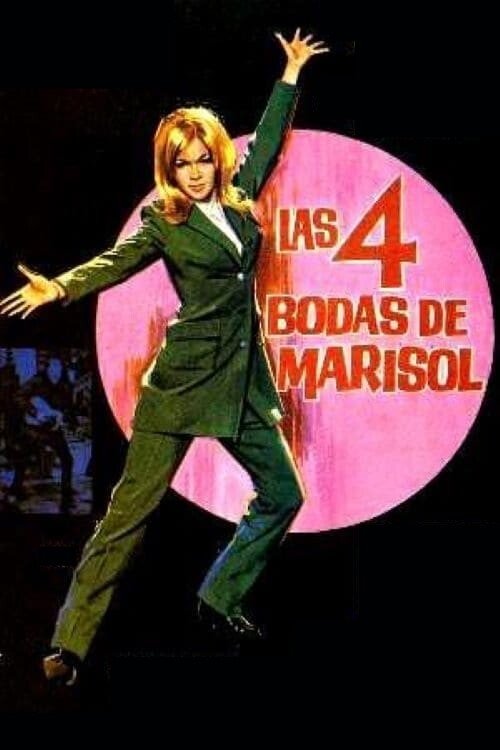
Las 4 bodas de Marisol
1967
No user ratings available yet
Diversity score: 1.4 out of 10

1953
ApprovedDirector
Alexander Hall
Runtime
95 minutes
Average Rating
No ratings yetSynopsis
Composer Gary Stuart and his wife, Connie, have an argument over her alleged affair. The Stuarts agree to get divorced, and each tries to move on to a new love: Gary with socialite Deborah Randolph and Connie with businessman Frank McGraw. However, they begin to realize that they still have strong feelings for each other, and the Stuarts must make a decision before their divorce is final.
Overall Score
Minimal
Category Breakdown
LGBTQ+ Representation
The film focuses entirely on heteronormative romantic entanglements. There is no presence of non-cisnormative gender identities or same-sex intimacy within the plot.
Gender Representation
While Connie drives the emotional stakes, the film adheres to 1950s gender hierarchies. The narrative relies on traditional tropes of marital discord and reconciliation.
Racial & Ethnic Diversity
The ensemble is comprised of white actors, reflecting the homogeneous studio standards of the era. The setting emphasizes an Anglo-centric, high-society social environment.
Religious & Cultural Diversity
The story reinforces traditional Western institutions, specifically the sanctity of the nuclear family. It prioritizes social cohesion and established romantic ideals over any critique of these structures.
Disability Representation
The characters are presented as able-bodied, adhering to standard physical archetypes. No visible or invisible disabilities are portrayed within the central character arcs.
Strengths
Areas for Improvement
AI Analysis
Let's Do It Again is a quintessential product of the mid-century studio system. It utilizes a streamlined romantic comedy structure that prioritizes conventional social hierarchies and traditional gender roles. The film lacks intersectional complexity, offering a homogeneous social landscape. The narrative architecture is designed to uphold established cultural norms rather than disrupt or subvert them. Ultimately, the work functions as a standard genre piece that reinforces the status quo of the 1950s through its casting and thematic focus.
1967
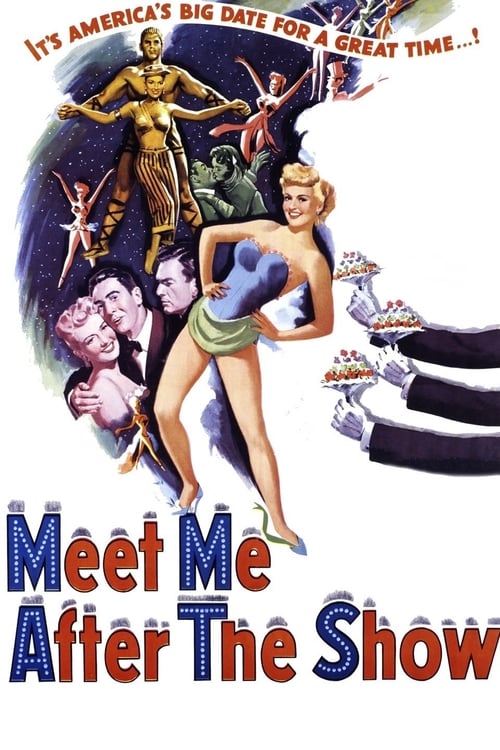
1951
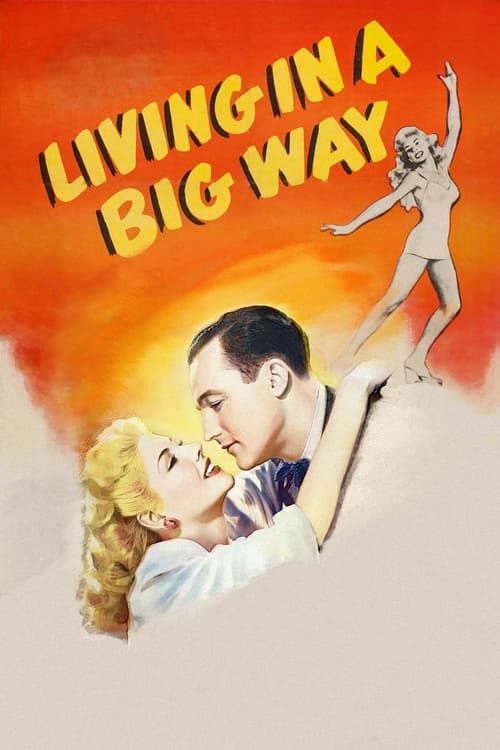
1947
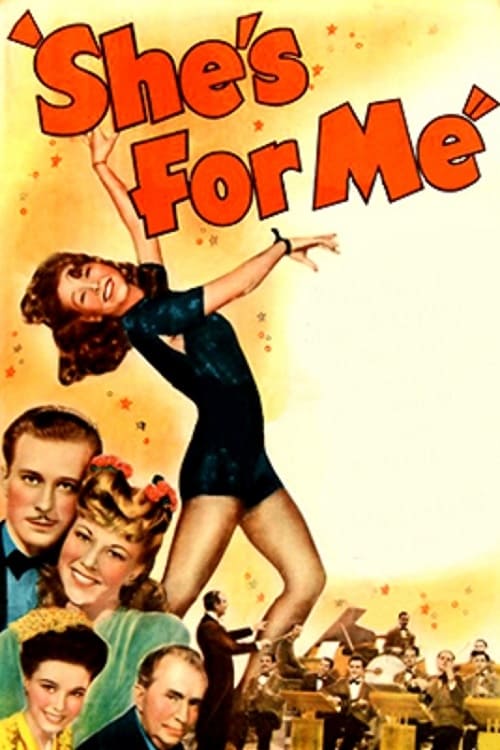
1943
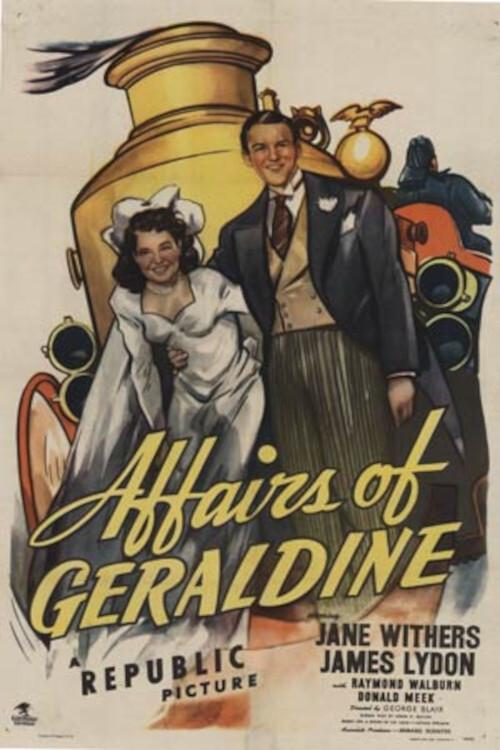
1946
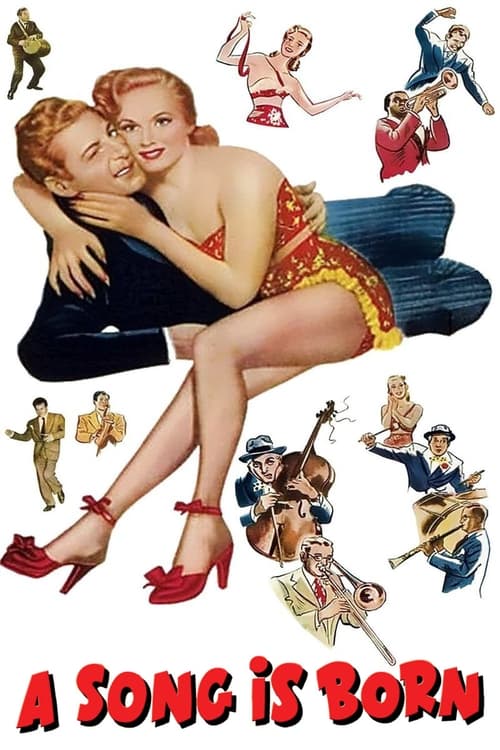
1948
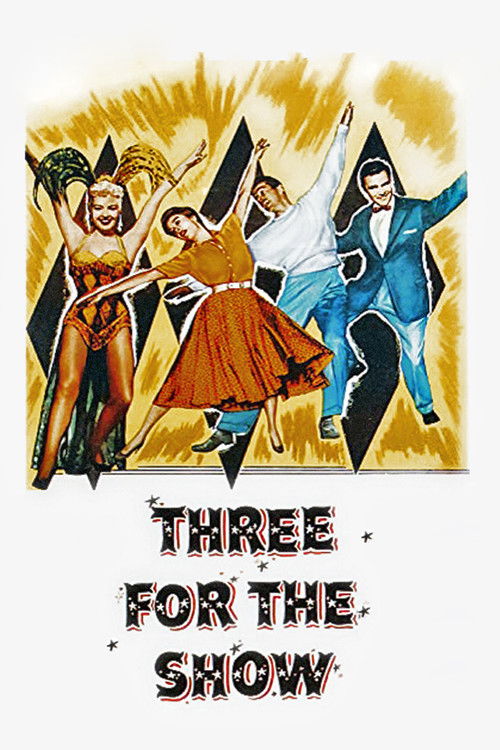
1955
1944
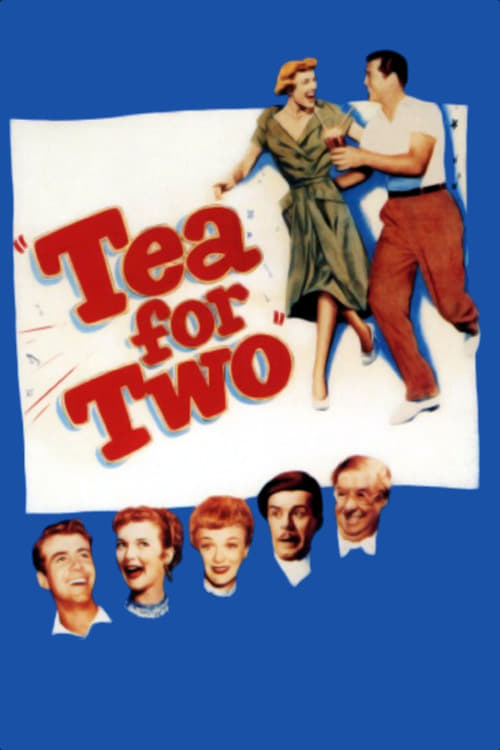
1950
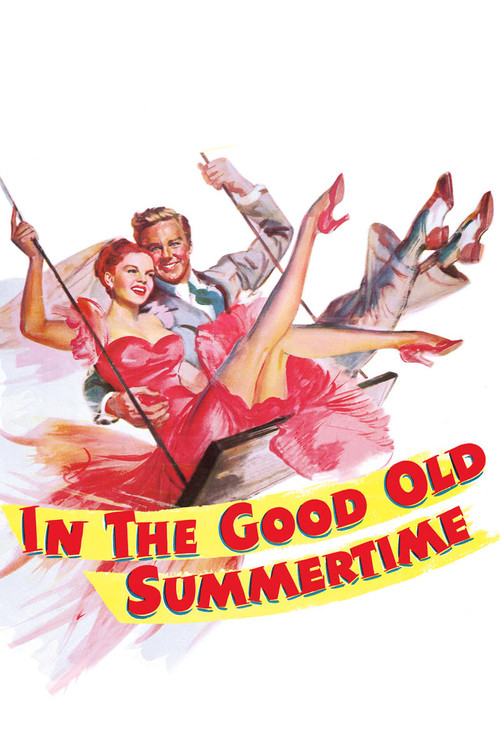
1949
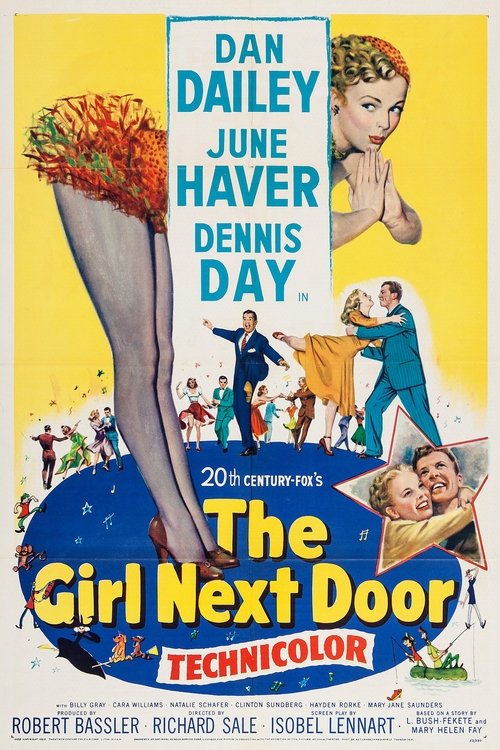
1953

1951
No reviews yet. Be the first to share your thoughts on this movie!
Use the rating form above to leave a star rating and optional review.