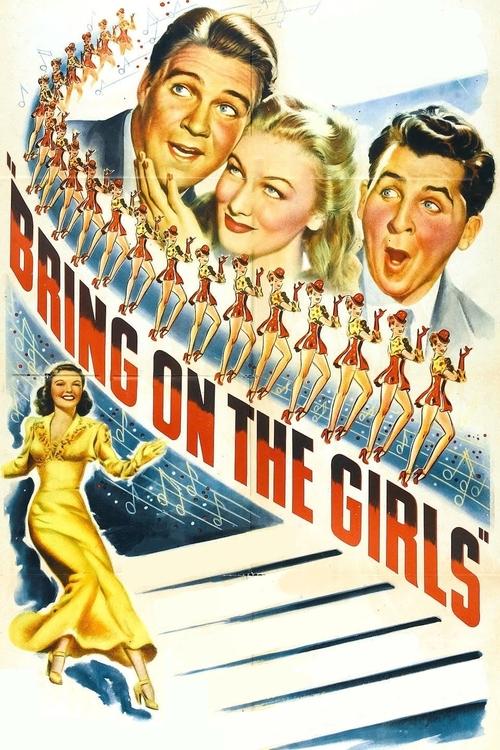
Bring on the Girls
1945
No user ratings available yet
Representation score: 0.8 out of 10

Representation Score
Minimal
1947
ApprovedDirector
Gregory La Cava
Runtime
104 minutes
Average Rating
No ratings yetNew Showbiz Analysis
Living in a Big Way functions as a typical period comedy that adheres strictly to the social and demographic norms of 1947. The narrative focuses on traditional domestic conflicts and reinforces the gender and social hierarchies of the post-war era. The film minimally disrupts conventional cultural norms, emphasizing character-driven situational humor within a traditional framework. It fails to represent underrepresented groups, reflecting the era's studio system constraints.
Category Breakdown
The film does not include any LGBTQ+ characters or stories. The main conflict revolves around a strained marriage influenced by traditional domestic expectations, staying within conventional romantic themes.
The story upholds post-war gender roles. The female protagonist is portrayed as spoiled, while the plot centers on a male character returning to a traditional, patriarchal household.
The film reflects the homogeneous casting practices of the late 1940s. It seems to center on a predominantly white, Anglo-Saxon social framework typical of mainstream cinema of the time.
The premise aligns with mid-century Western values concerning marriage and family wealth. It emphasizes domestic stability and traditional social institutions over any systemic critique.
There is no mention of characters with physical or neurodivergent disabilities.
Present on Screen
Limited or Absent
Official Synopsis
A World War II pilot (Gene Kelly) comes home to a bride (Marie McDonald) who, spoiled by her father (Charles Winninger), now wants a divorce.
1945
1933
1943
1949
1949

1953
1948
1954
No reviews yet. Be the first to share your thoughts on this movie!
Use the rating form above to leave a star rating and optional review.