
Fleeing by Night
2000
No user ratings available yet
Representation score: 5.8 out of 10

Representation Score
Limited
1965
Director
Lo Chen
Runtime
122 minutes
Average Rating
No ratings yetNew Showbiz Analysis
Vermilion Door is a period drama that emphasizes mid-century melodramatic traditions. The story revolves around the emotional struggles of Peking Opera performers caught in a tragic love triangle. While the film offers a culturally specific lens through its focus on Chinese performing arts, it adheres to traditional social hierarchies. The narrative leans towards classical romantic conflict rather than challenging established gender or social structures. Ultimately, the film presents a cultural portrait of early 20th-century China, emphasizing aesthetic preservation and romantic tragedy over contemporary multi-layered themes.
Category Breakdown
The film follows a traditional romantic storyline focused on a tragic love triangle. There are no representations of LGBTQ+ identities or narratives.
The story centers around a female character who carries significant emotional weight. However, her role seems constrained by a male antagonist who dominates the central romantic conflict.
The film highlights a non-Western perspective by focusing on Chinese cultural heritage and traditional performing arts. It avoids Anglo-centric storytelling.
The narrative is deeply rooted in the aesthetics of Peking Opera, serving as a preservation of traditional Chinese cultural institutions and classical tragedy.
The provided context contains no information regarding the depiction of physical or neurodivergent disabilities.
Present on Screen
Limited or Absent
Official Synopsis
The tragic love triangle of early 20th century Peking Opera star Chiu Hai-tang, his beautiful stage partner, and the warlord who forces himself between them, has been a favorite with Chinese audiences for decades.
2000

1932

2002

1948
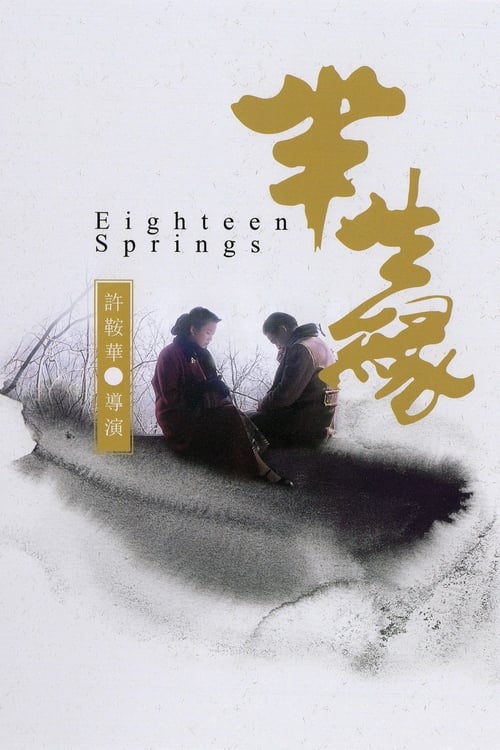
1997

1954

1991

1964
No reviews yet. Be the first to share your thoughts on this movie!
Use the rating form above to leave a star rating and optional review.