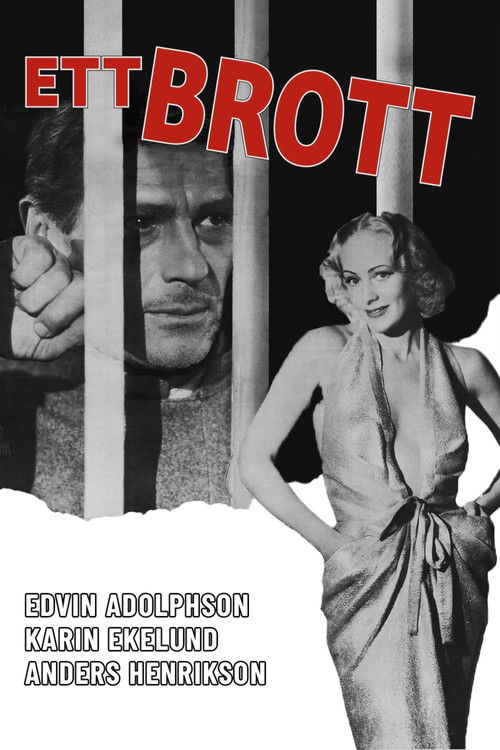
A Crime
1940
No user ratings available yet
Representation score: 0.9 out of 10
Representation Score
Fair
1947
Director
Göran Gentele
Runtime
88 minutes
Average Rating
No ratings yetNew Showbiz Analysis
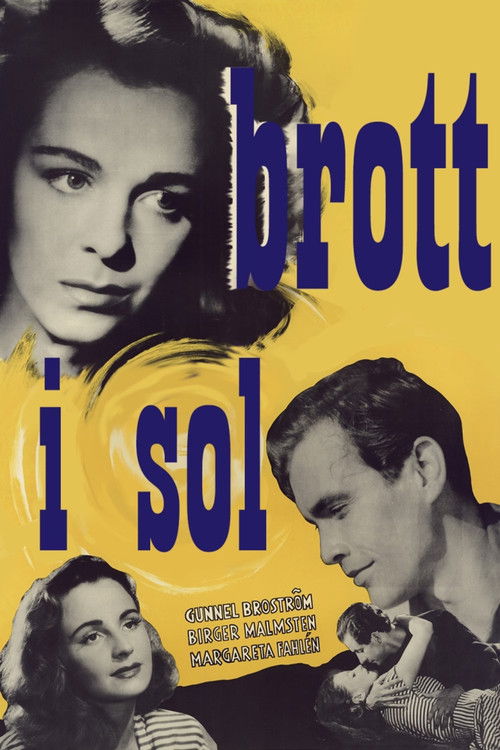
Crime in the Sun functions primarily as a period-specific psychological drama. It operates within the established cinematic conventions of the mid-century Swedish tradition, focusing on individual morality rather than social disruption. The film's representation is limited by its era, centering on a homogeneous social group. While it touches on mental health through the protagonist's history, it lacks broader perspectives on diversity. Ultimately, the narrative prioritizes the deconstruction of a shared past and the mystery of a disappearance over the active subversion of social hierarchies.
Category Breakdown
The film does not show any explicit signs of non-straight relationships or gender identities outside the norm. The story revolves around a group of friends and a central mystery without any clear LGBTQ themes.
The story centers on Harry's return and investigation, suggesting a male-dominated social circle. There is no indication of women in roles that challenge the social norms of 1947.
The setting reflects a mid-century European social environment. The cast appears to follow the homogeneous demographic norms of the era without any evidence of diverse racial representation.
The film explores themes of memory, guilt, and the deconstruction of shared history. It focuses on subjective morality and the instability of truth within a traditional crime-drama framework.
Harry’s six-year stay in an asylum provides a narrative entry point for discussing mental health and neurodivergence. However, it is unclear if his condition plays a significant role in the story or merely serves as a plot device.
Present on Screen
Limited or Absent
Official Synopsis
Harry, returning home after six years in an asylum, has vivid recollections of a party many years ago with six of his friends. The party ended with one of them, Raoul, disappearing. A gardener is digging in Harry's garden when a skeleton and a watch with the name "Raoul" is found. Harry invites his friends to a dinner to solve the mystery of Raoul's disappearance.
1940
1939
1957
1947
1936
1954

2018

1949
No reviews yet. Be the first to share your thoughts on this movie!
Use the rating form above to leave a star rating and optional review.