The Silence
2010
No user ratings available yet
Representation score: 3.4 out of 10
Representation Score
Good
2018
Director
Brigitte Bertele
Runtime
88 minutes
Average Rating
No ratings yetNew Showbiz Analysis
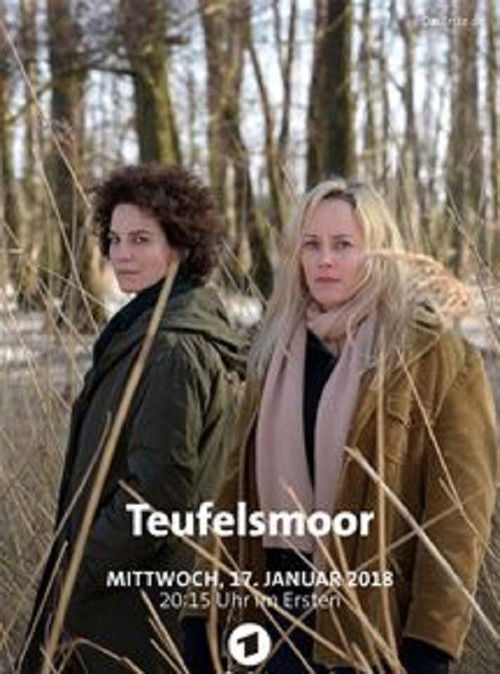
Teufelsmoor is a character-driven psychological mystery that prioritizes women's ability to drive the story and the exploration of memory. The film centers on a woman's perspective as she navigates ancestral trauma and personal history. However, the film lacks diversity in terms of race and ethnicity. The narrative appears confined to a homogeneous, rural European setting, offering little in the way of diverse representation. It also lacks explicit LGBTQ+ characters or systemic social critiques. Ultimately, the film's strength lies in its psychological depth rather than its sociological variety. It functions as a localized study of family trauma rather than a diverse, multi-faceted social commentary.
Category Breakdown
The narrative centers around familial lineage and past traumas. There are no explicit queer characters or dynamics that challenge straight-centered assumptions.
The story is driven by Inga's psychological journey, highlighting her inner struggles and decisions. Female characters play a significant role in resolving the central mystery.
The setting suggests a rural European environment. The narrative adheres to traditional demographics without showing a diverse cast of characters.
The film delves into subjective morality and the impact of history. It focuses on localized family trauma rather than broader institutional critiques.
The story addresses mental fragility through Inga's psychological distress. While there are no physical disabilities mentioned, the narrative emphasizes trauma-induced instability.
Present on Screen
Limited or Absent
Official Synopsis
After the death of her father Georg Inga Hauck drives together with her son Max in their home village. In her old home she meets Anna Kertesz. Inga's parents had taken Anna 28 years ago after her adult brother Zoltan mysteriously disappeared. Since the same day also Ingas was missing then six-year-old brother Magnus. Inga is being overtaken by her past in her parents' house. Soon her nerves are bare. And every day her memories come back.
2010

2019
2020
2014
2022
2019

2017
2018
No reviews yet. Be the first to share your thoughts on this movie!
Use the rating form above to leave a star rating and optional review.