The Electronic Mouse Trap
1946
No user ratings available yet
Diversity score: 1.3 out of 10
1948
ApprovedDirector
Mannie Davis
Runtime
7 minutes
Average Rating
No ratings yetSynopsis
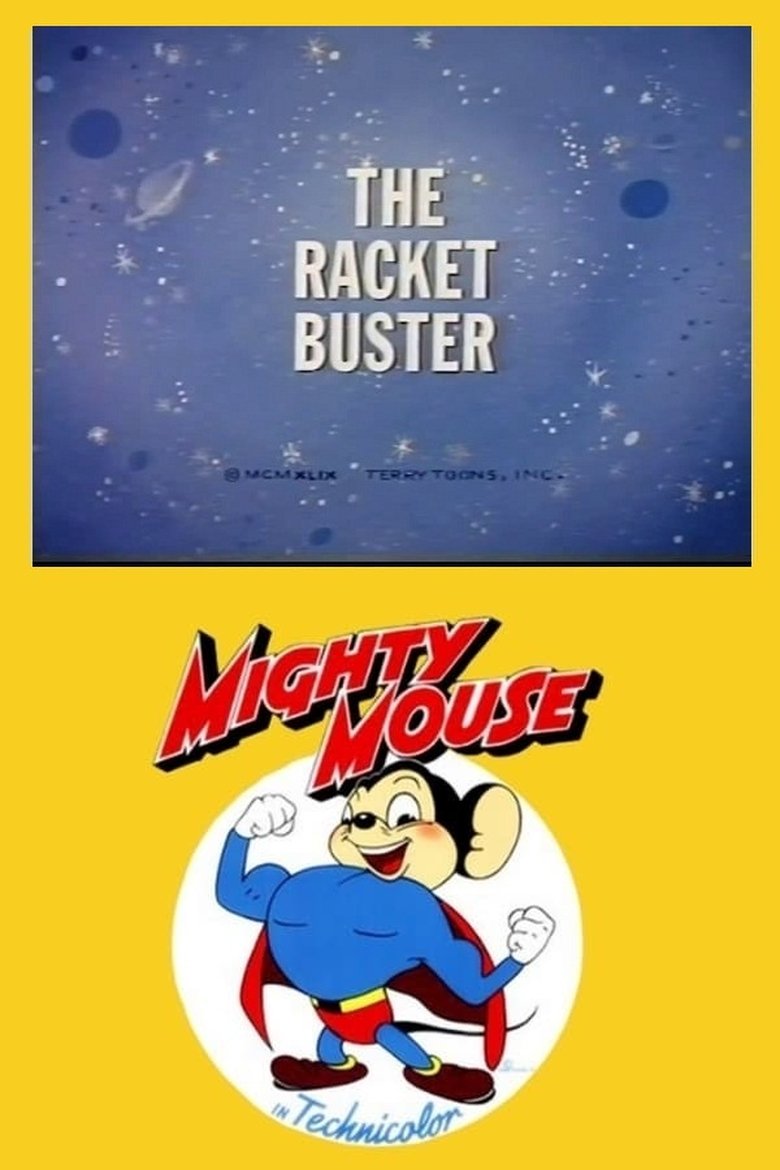
Mighty Mouse makes a personal appearance at a movie theatre and three gangster cats capture him in an unguarded moment, rob the box-office, kidnap Pearl Pureheart, and take Might Mouse for a one-way ride. However, he free himself, rescues the girl and captures the gangsters.
Overall Score
Limited
Category Breakdown
LGBTQ+ Representation
The film follows a traditional rescue dynamic between Mighty Mouse and Pearl Pureheart. There are no depictions of non-cisnormative identities or same-sex intimacy.
Gender Representation
Pearl Pureheart occupies a passive role as a damsel in distress. The narrative relies on a hierarchy where female agency is secondary to the hero's intervention.
Racial & Ethnic Diversity
The use of anthropomorphic animals lacks explicit racial or ethnic markers. The character designs reflect the homogeneous archetypes common in mainstream 1940s animation.
Religious & Cultural Diversity
The story adheres to a standard Western gangster trope. It reinforces a traditional law-and-order morality rather than offering any systemic critique or moral relativism.
Disability Representation
The film contains no visible or invisible depictions of characters with disabilities.
Strengths
Areas for Improvement
AI Analysis
The Racket Buster is a quintessential product of the Golden Age of animation, leaning heavily on established mid-century tropes. The narrative structure is built around a binary of hero and villain, utilizing a classic rescue plot that reinforces traditional social hierarchies. While the film succeeds as a genre piece, it lacks the intersectional complexity or character depth needed to challenge social norms. The reliance on archetypes like the damsel in distress and the righteous hero keeps the story within a very narrow, conventional framework. Ultimately, the film reflects the era's standard industry practices, prioritizing clear-cut morality and traditional gender roles over diverse or subversive storytelling.
1946
1953
1950
1957
1946
1949
1964

1953
1952

1948
1953
1946
No reviews yet. Be the first to share your thoughts on this movie!
Use the rating form above to leave a star rating and optional review.