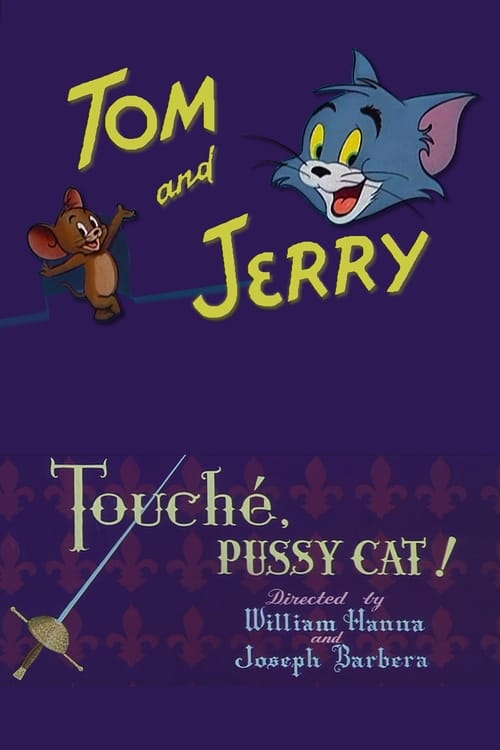
Touché, Pussy Cat!
1954
No user ratings available yet
Diversity score: 2.5 out of 10
1950
NRDirector
Joseph Barbera, William Hanna
Runtime
7 minutes
Average Rating
No ratings yetSynopsis
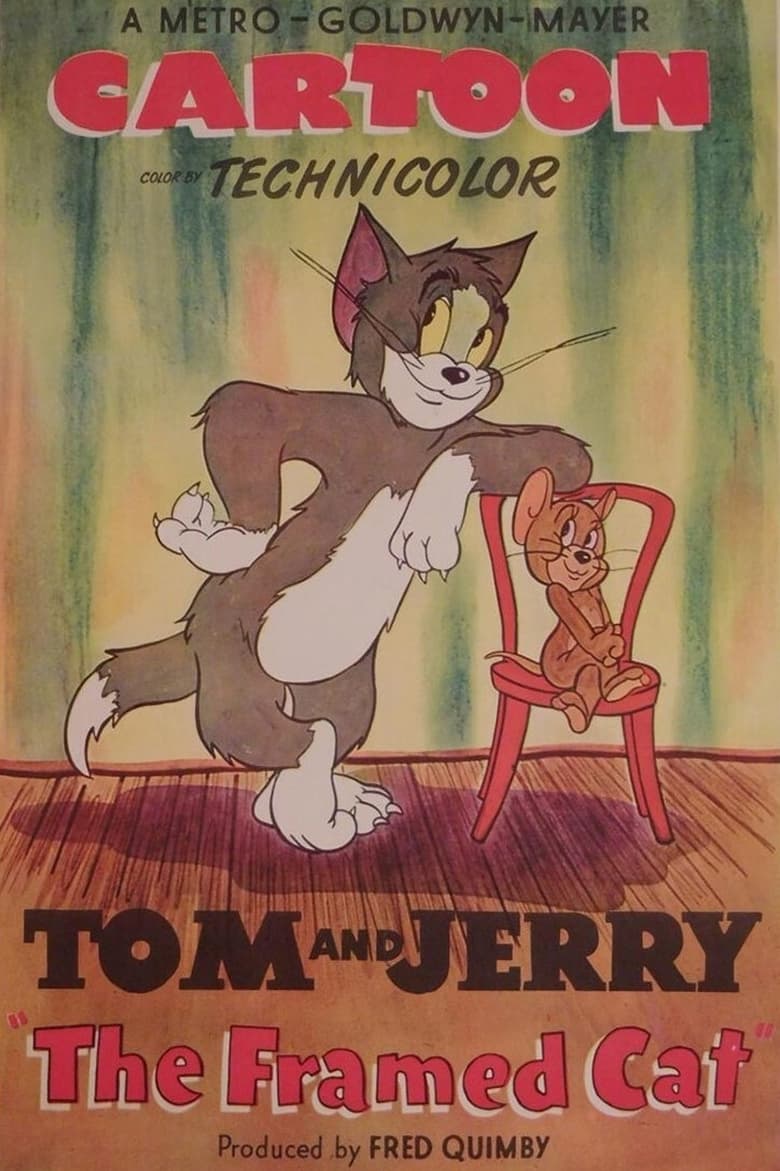
Tom filches a drumstick from a fresh-baked chicken. When Mammy is about to discover him, he hands it off to Jerry; this lets him be a hero to Mammy and still get his chicken. Jerry is miffed, and sees his chance to retaliate: Spike is very possessive of his bone. Jerry keeps stealing the bone and planting it on Tom. Finally, Jerry bores a hole in the bone, inserts a bolt, and gets Tom to swallow a magnet. The bone keeps coming back to Tom, even through a fence. Finally, as Tom runs off followed by Spike, Jerry, who's been hiding in a tin can, is also dragged along.
Overall Score
Limited
Category Breakdown
LGBTQ+ Representation
The film focuses exclusively on animal-centric slapstick conflict. There are no depictions of non-cisnormative identities or same-sex intimacy.
Gender Representation
Mammy serves as a traditional domestic authority figure. The narrative reinforces conventional hierarchies where female characters maintain order against chaotic male animals.
Racial & Ethnic Diversity
The use of anthropomorphic animals bypasses human racial dynamics. However, the name 'Mammy' and the setting evoke specific mid-century domestic tropes.
Religious & Cultural Diversity
The story emphasizes mid-century Western social norms and household order. Conflict is driven by individual greed rather than any systemic or cultural critique.
Disability Representation
No characters are depicted with visible or invisible disabilities. The comedy relies on exaggerated physical movement rather than neurodivergent or disabled experiences.
Strengths
Areas for Improvement
AI Analysis
The Framed Cat is a quintessential mid-century slapstick short that prioritizes kinetic comedy over social complexity. The narrative is built around individualistic conflict and petty retaliation between Tom, Jerry, and Spike, offering no engagement with broader social identities. While the animal cast avoids direct human racial depictions, the domestic setting and character naming conventions lean heavily into traditional 1950s archetypes. The film functions as a closed loop of domestic order and chaos, lacking any intentional subversion of established social hierarchies.
1954
1957
1942
1944
1957
1944
1943
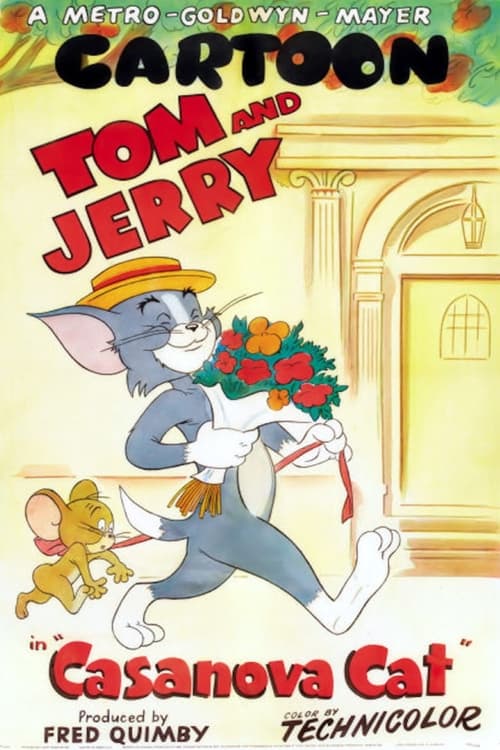
1951
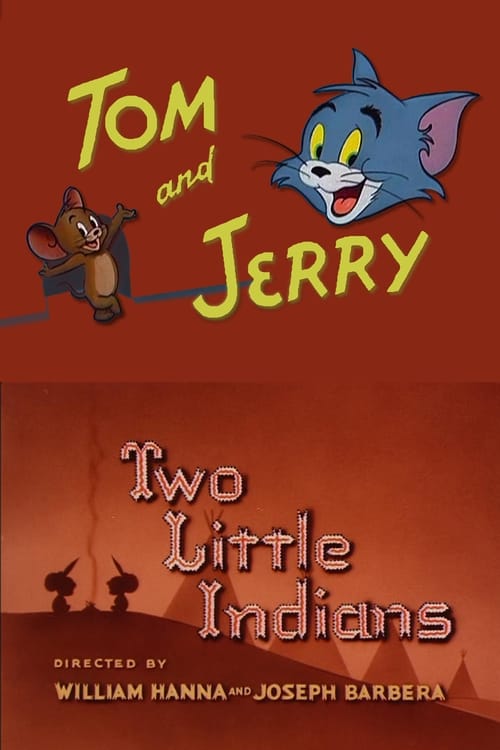
1953
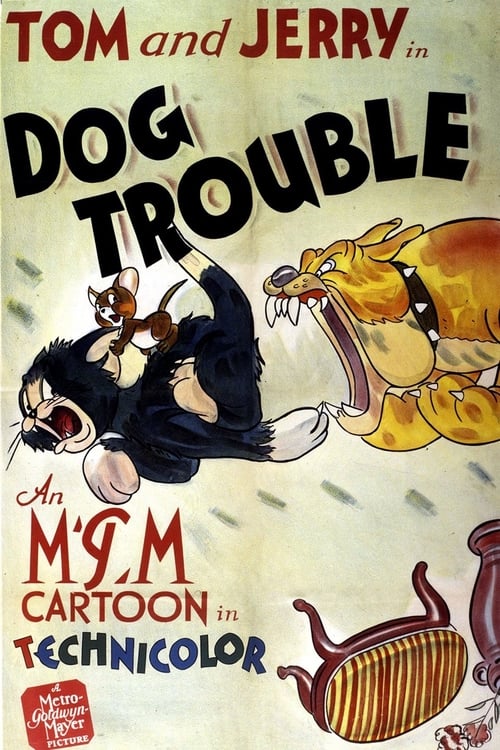
1942

1945
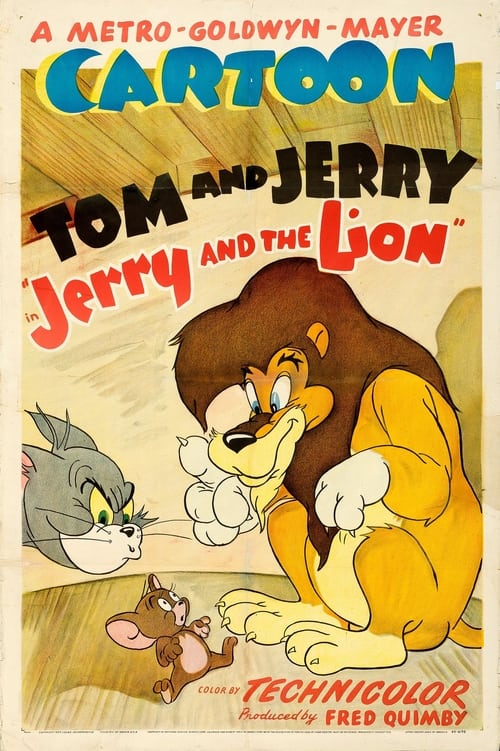
1950
No reviews yet. Be the first to share your thoughts on this movie!
Use the rating form above to leave a star rating and optional review.