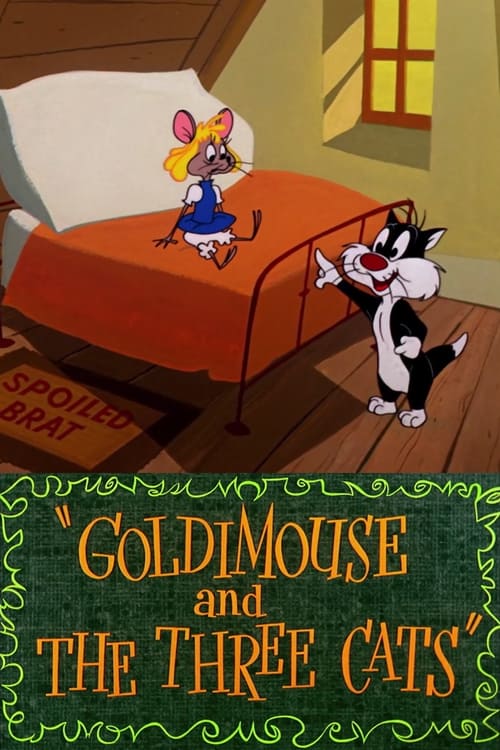
Goldimouse and the Three Cats
1960
No user ratings available yet
Representation score: 1.1 out of 10
Representation Score
Limited
1953
Director
Friz Freleng
Runtime
7 minutes
Average Rating
No ratings yetNew Showbiz Analysis
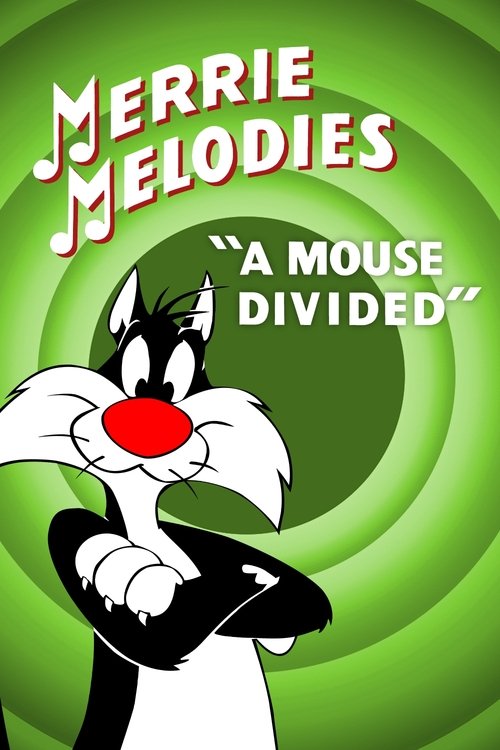
A Mouse Divided is a character-driven story focused on unexpected empathy rather than broad demographic representation. The film explores how it disrupts biological and predatory hierarchies through a non-biological kinship. By having Sylvester shift from a predator to a nurturing caregiver, the narrative challenges the established natural order. This offers a nuanced look at the formation of non-traditional family units. However, the work is limited by its era. It lacks modern multi-layered complexity and adheres to standard mid-century domestic clichés and settings.
Category Breakdown
The film does not include any explicit LGBTQ+ identities or relationships that go beyond the assumption that everyone is straight. The story focuses solely on a non-biological fatherly bond.
Set in a traditional home environment, the film challenges typical masculine roles. Sylvester transitions from being a predator to becoming a nurturing caregiver, which goes against the usual hunter stereotype.
The animation uses animal characters instead of humans, reflecting a mid-century Western domestic setting without showing any racial or ethnic diversity.
The story questions natural laws by emphasizing emotional bonds over predatory behavior. However, the core values are still based on traditional Western domestic life.
The narrative does not include any characters with visible or invisible disabilities.
Present on Screen
Limited or Absent
Official Synopsis
A drunken stork delivers a baby mouse to the home of Mr. and Mrs. Sylvester Cat. Sylvester is about to eat the little rodent when it calls him Daddy. Touched, Sylvester adopts the mouse as his son - which, distressingly, attracts every hungry cat in the neighborhood to his door!
1960
1948
1947
1960
1951
1946
1966
1952
No reviews yet. Be the first to share your thoughts on this movie!
Use the rating form above to leave a star rating and optional review.