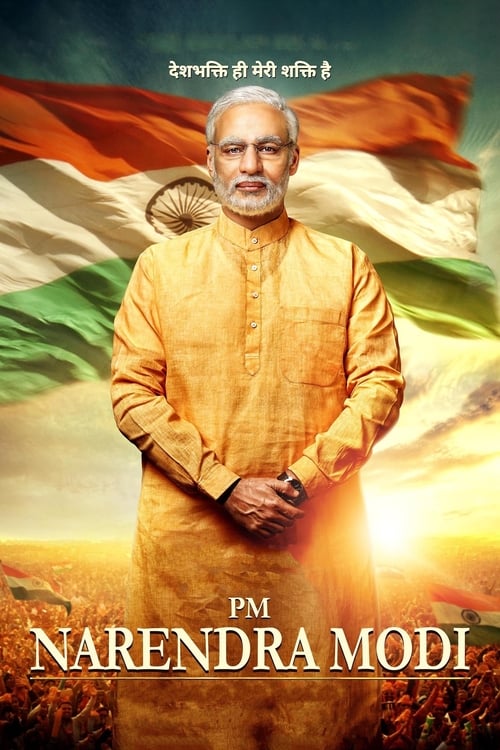
PM Narendra Modi
2019
No user ratings available yet
Representation score: 3.5 out of 10
Representation Score
Fair
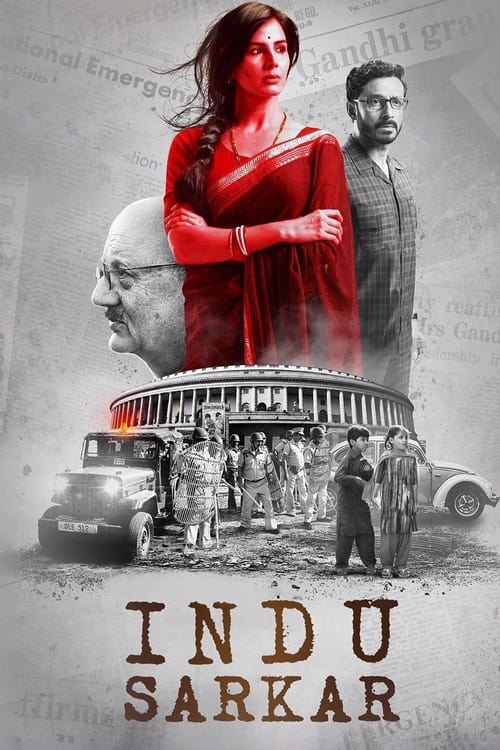
2017
UnratedDirector
Madhur Bhandarkar
Runtime
139 minutes
Average Rating
No ratings yetNew Showbiz Analysis
Indu Sarkar is a sophisticated historical drama that deconstructs traditional social roles. Its primary strength lies in elevating its female protagonist, who shifts from domesticity to political activism. This subversion of gendered expectations provides a powerful counter-narrative to typical historical dramas. However, the film's impact is limited by a lack of representation in other key areas. There is no presence of LGBTQ+ identities or characters with disabilities, narrowing the scope of its social commentary. Ultimately, while the film lacks breadth in certain demographic categories, it offers a nuanced and intellectually rigorous critique of established power structures and systemic oppression.
Category Breakdown
The film does not feature any LGBTQ+ characters or explore non-straight identities. The story centers on traditional social and romantic dynamics.
Indu transitions from a passive figure to a central driver of political action, disrupting conventional gender roles. The film prioritizes her ideological commitment over marital stability, challenging traditional gender hierarchies.
The film focuses on the Bengali middle class and a specific regional struggle. While it avoids a homogeneous narrative, it does not address broader global racial hierarchies.
The narrative engages with anti-establishment themes by centering the Naxalite movement. It portrays state and capitalist structures as systemic oppressors, framing radicalism as a response to institutional failures.
No visible or invisible disabilities are shown as central to the character arcs or the narrative development.
Present on Screen
Limited or Absent
Official Synopsis
Indu’s husband, a government employee, believes in using the state of Emergency to advance his career, but a moral and ideological discrepancy sets her on a own path.
2019
1963
2024
2017

2019

2018
2015

2018
No reviews yet. Be the first to share your thoughts on this movie!
Use the rating form above to leave a star rating and optional review.