Amu
2005
No user ratings available yet
Diversity score: 6.6 out of 10
2007
Director
Bhavna Talwar
Runtime
105 minutes
Average Rating
No ratings yetSynopsis
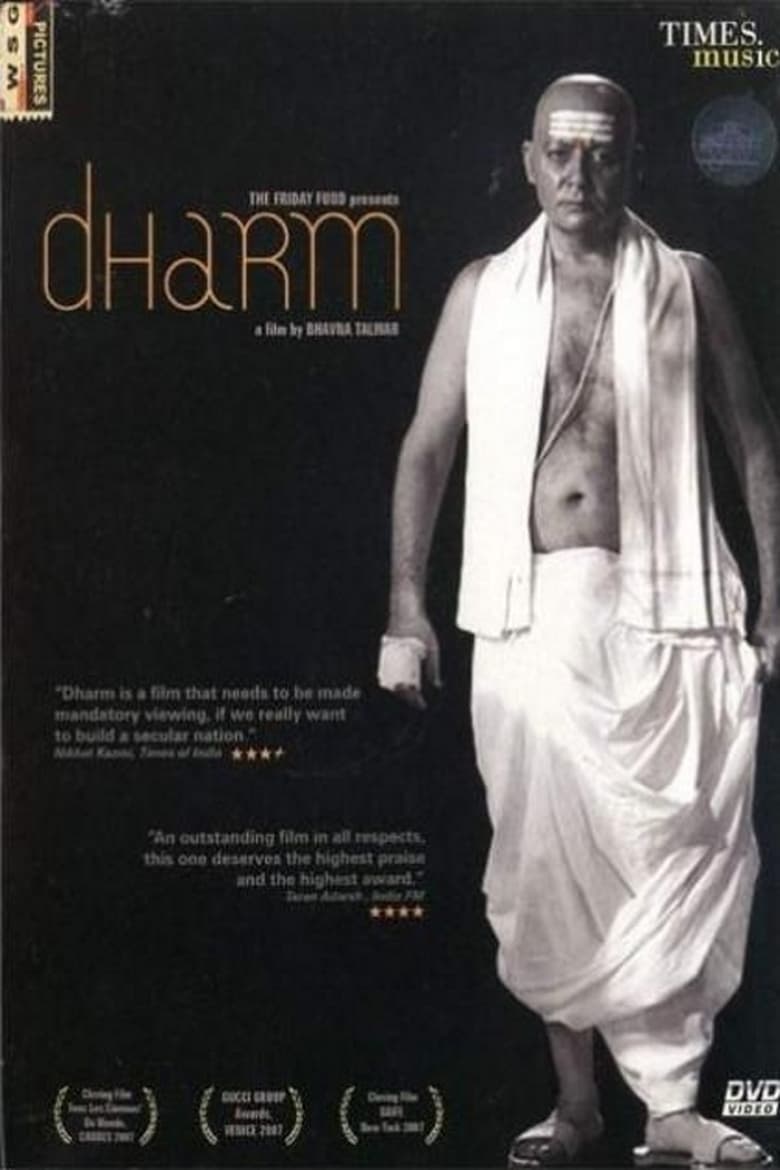
The story is based in Banaras and is about a Hindu Priest Chaturvedi who follows the scriptures to practice Hindu religion. When a child is abandon by a woman and brought in his house by his daughter - after initial hesitation but due to requests from his wife - the family adapts the child; only to know after 4 years that the child is a Muslim. The family gives away the child and Chaturvedi engulfs himself in the purification process to cleanse his body, mind and soul due to contact with a Muslim soul. By the time, Chaturvedi thinks he is fully purified – the child reappears – seeking refuge, due to Hindu- Muslim riots. This is the time Chaturvedi finally realizes that the true religion is - religion where humans help humans – humanity.
Overall Score
Good
Category Breakdown
LGBTQ+ Representation
The film lacks explicit representation of LGBTQ+ characters or non-cisnormative identities. The narrative focus remains strictly on communal and religious tensions.
Gender Representation
Female characters drive the plot by challenging patriarchal authority. The protagonist's wife initiates the adoption, shifting the household's moral compass toward empathy.
Racial & Ethnic Diversity
The story centers on the intersection of Hindu and Muslim identities. It challenges religious homogeneity by placing a Muslim child within a Hindu family.
Religious & Cultural Diversity
The film critiques rigid religious dogma and purification rituals. It ultimately prioritizes humanistic connection over strict adherence to sectarian scripture.
Disability Representation
There are no visible or invisible disabilities portrayed as central to the character arcs or the plot progression.
Strengths
Areas for Improvement
AI Analysis
Religion explores the friction between institutional dogma and individual morality. It uses the tension between Hindu and Muslim identities to critique systemic sectarian divisions, ultimately advocating for a humanist framework. The film's strength lies in its narrative disruption of communal divides. By centering on a Muslim child in a Hindu household, it challenges the concept of religious homogeneity and promotes a blended existence. However, the film lacks representation in several key areas. There is no presence of LGBTQ+ identities or characters with disabilities, leaving those dimensions of diversity unaddressed.
2005
2016
1997

2022
2010
2011

2019
2010

2005
No reviews yet. Be the first to share your thoughts on this movie!
Use the rating form above to leave a star rating and optional review.