
Rabiye Kurnaz vs. George W. Bush
2022
No user ratings available yet
Representation score: 4.4 out of 10
Representation Score
Good
2010
RDirector
Jim Loach
Runtime
104 minutes
Average Rating
No ratings yetNew Showbiz Analysis
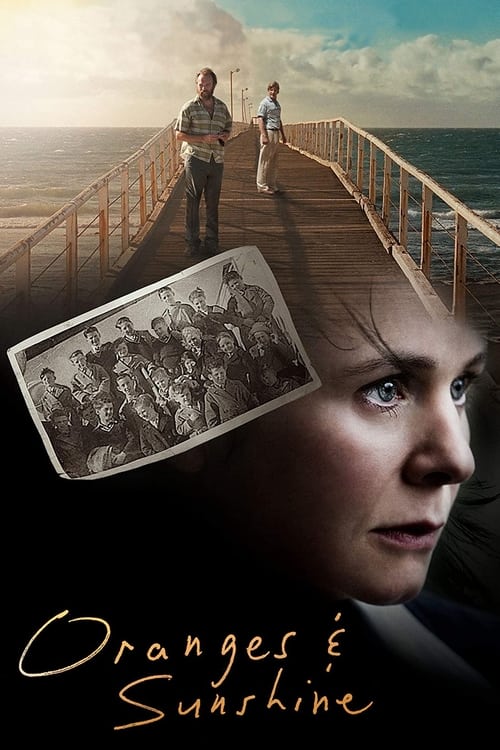
Oranges and Sunshine is a sophisticated historical drama that uses a specific period setting to critique systemic institutional failures. While the demographic diversity is limited by its historical focus, the narrative structure effectively deconstructs the perceived stability of Western social and medical institutions. The film succeeds in its portrayal of mental health and the critique of colonial-era policies. It moves beyond surface-level representation to examine the human cost of systemic mismanagement and the loss of individual autonomy.
Category Breakdown
The film does not include any LGBTQ+ characters or narratives. It focuses on maternal and familial bonds within a traditional 1960s social framework, without engaging with queer themes.
The narrative explores the institutionalization of women and their struggles within the psychiatric system. It portrays women as subjects of systemic medical control rather than just domestic figures.
The cast is predominantly white, reflecting the British setting. However, the plot provides a post-colonial critique of forced child migration to Commonwealth nations like Australia.
The film critiques Western institutions, portraying the state and medical establishments as oppressive. It challenges the perceived benevolence of mid-century social structures and institutional power.
The story provides a meaningful portrayal of mental health struggles and psychiatric institutionalization. It avoids melodrama, focusing instead on the loss of ability to act and systemic failures.
Present on Screen
Limited or Absent
Official Synopsis
The story of Margaret Humphreys, a social worker from Nottingham, who uncovers one of the most significant social scandals in recent times – the forced migration of children from the United Kingdom to Australia and other Commonwealth countries. Almost singlehandedly, Margaret reunited thousands of families, brought authorities to account and worldwide attention to an extraordinary miscarriage of justice.
2022

1985

2023

2010
2005
1994
2007

2009
No reviews yet. Be the first to share your thoughts on this movie!
Use the rating form above to leave a star rating and optional review.