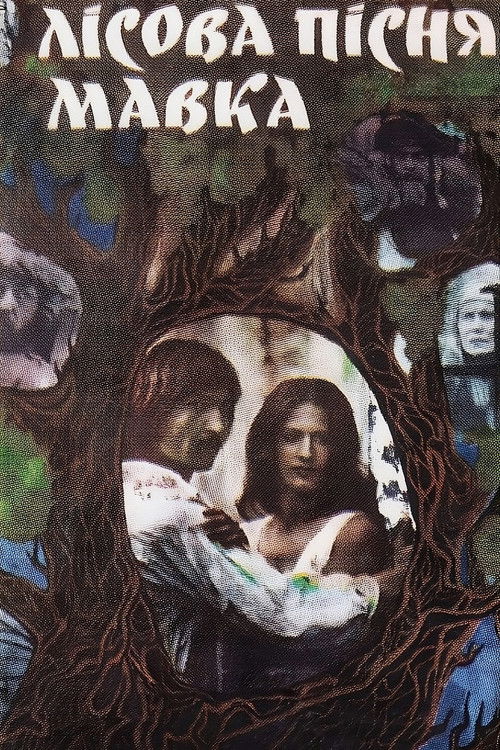
A Story of the Forest: Mavka
1980
No user ratings available yet
Representation score: 6.4 out of 10

Representation Score
Limited
1968
Director
Yurii Illienko
Runtime
71 minutes
Average Rating
No ratings yetNew Showbiz Analysis
The film is a significant work of poetic cinema that prioritizes ethnographic authenticity. Its primary strength lies in its robust commitment to a specific Ukrainian ethnic identity and the preservation of folk heritage. While the film lacks engagement with modern identity politics regarding gender or orientation, it succeeds in disrupting standardized cinematic clichés. It uses the lens of the Ukrainian Poetic School to explore heritage through a localized, non-linear perspective. Ultimately, the work functions as a cultural preservation tool, favoring indigenous expression over the homogenized narratives typical of the era.
Category Breakdown
The film focuses on traditional agrarian folklore and seasonal rituals. It does not include narratives involving non-binary or transgender identities, instead centering on Petro's pursuit of Pidorka.
The story depicts traditional communal roles and patriarchal authority, exemplified by a stern father. However, ritualistic female empowerment during communal celebrations adds a layer of nuance.
This work serves as a profound exercise in ethnic preservation. It centers Ukrainian folk culture and peasantry, disrupting the homogeneity often found in mainstream historical cinema.
The narrative prioritizes pagan-rooted traditions and seasonal spirituality over organized religion. It emphasizes ancestral mysticism and the preservation of communal, folk-based social structures.
There is no discernible evidence regarding the portrayal of physical or neurodivergent disabilities within the film.
Present on Screen
Limited or Absent
Official Synopsis
Petro is a modest farmhand living in an impoverished village in some unspecified long-ago era. He wants to marry the lovely Pidorka, but her stern father won't hear of it. The mischievous demon Basavriuk, offers a deal, enticing Petro into crime for the sake of fortune.
1980
2017

1990
1967

2022
2001
1961
1984
No reviews yet. Be the first to share your thoughts on this movie!
Use the rating form above to leave a star rating and optional review.