
La Desgracia de Ron Hopper
2020
No user ratings available yet
Representation score: 3.7 out of 10
Representation Score
Minimal
2022
Director
Gerardo Gabaldón
Runtime
121 minutes
Average Rating
No ratings yetNew Showbiz Analysis
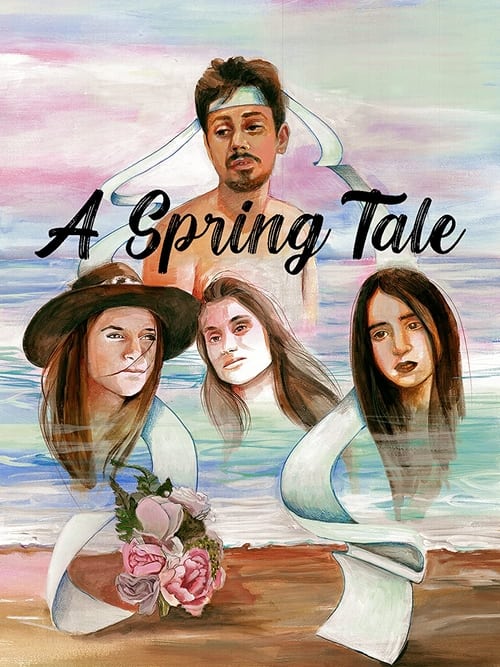
A Spring Tale centers on the ability to act of three women navigating personal stagnation. It avoids traditional clichés where women serve merely as secondary motivators for male leads. While the film strongly emphasizes gender representation, it remains unclear about broader cultural or disability-related representation.
Category Breakdown
The film focuses on female protagonists seeking change but does not confirm same-sex relationships or non-cisgender identities.
The story centers on women like Farah, Belisa, and Alma, emphasizing their self-actualization and autonomy.
Character names like Farah and Ícaro hint at multicultural potential, but specific ethnic backgrounds are not confirmed.
The film critiques restrictive environments, possibly traditional social structures, but specific secular or anti-institutional themes are not verified.
There is no evidence of characters with visible or invisible disabilities in the narrative.
Present on Screen
Limited or Absent
Official Synopsis
Farah, Belisa and Alma find themselves trapped in a life that they wish to change. What they don't suspect is the bond that they will share with the mysterious Ícaro, in what will become the most important spring of their existence.
2020

2024
2021

2020

2015
2013
2014
2018
No reviews yet. Be the first to share your thoughts on this movie!
Use the rating form above to leave a star rating and optional review.