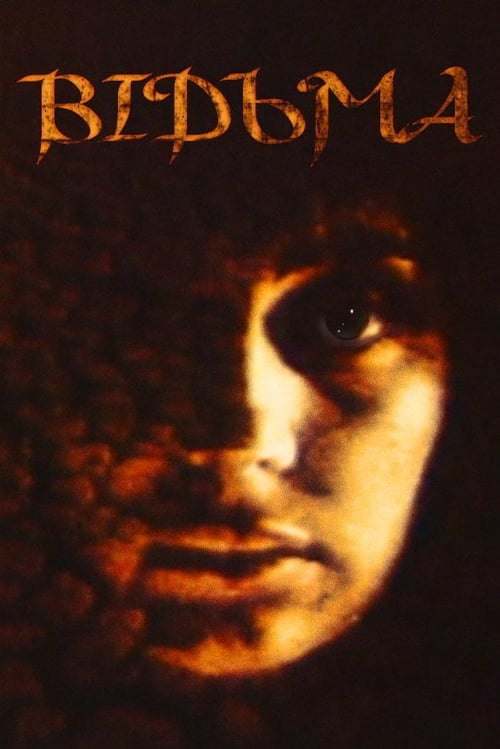
The Witch
1990
No user ratings available yet
Representation score: 5.9 out of 10
Representation Score
Good
2017
Director
Rainer Sarnet
Runtime
115 minutes
Average Rating
No ratings yetNew Showbiz Analysis
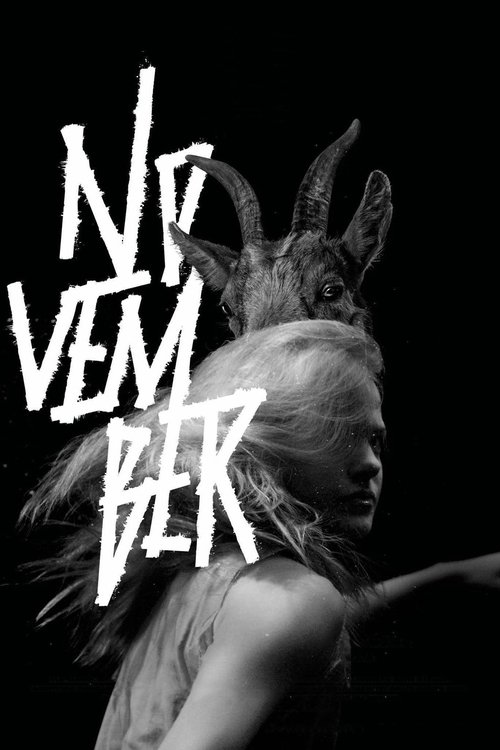
November is a surreal folk-horror film that uses an Estonian mythological landscape to challenge established moral frameworks. By replacing stable, institutional ethics with a survival-driven relationship with the supernatural, the film offers a sophisticated critique of Western institutions and materialist values. While it lacks LGBTQ+ representation and features an ethnically homogeneous cast, it excels in cultural depth. However, the film struggles with disability representation, often using suffering as a narrative device. Additionally, it maintains certain historical gender hierarchies, which prevents a higher score in gender diversity.
Category Breakdown
The film centers on the survival struggles of a rural community and the bond between a mother and her son. It does not include any representation of non-straight or transgender identities and does not challenge the assumption that everyone is straight or cisgender.
The film highlights the role of women through folk magic and survival skills, often moving away from traditional nurturing roles. However, it does not consistently challenge traditional gender roles to improve its score.
The cast is made up of actors who share similar ethnic backgrounds, reflecting a specific Estonian setting. The film presents a distinct cultural aesthetic within its mythological framework, avoiding modern Western norms.
The narrative dismantles Western institutions by presenting a relationship with the supernatural that is based on practical outcomes rather than organized religion. It explores moral relativism where survival needs dictate ethical decisions over traditional concepts of good and evil.
Characters face physical and mental distress linked to supernatural elements or environmental factors. These portrayals often use suffering as a stylistic horror element rather than showing characters making independent choices.
Present on Screen
Limited or Absent
Official Synopsis
In a poor Estonian village, a group of peasants use magic and folk remedies to survive the winter, and a young woman tries to get a young man to love her.
1990
1992
1952
2018
2018

2016
2018
1990
No reviews yet. Be the first to share your thoughts on this movie!
Use the rating form above to leave a star rating and optional review.