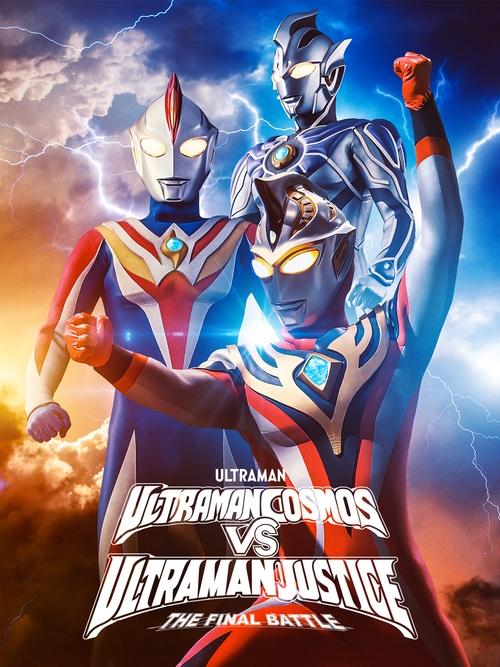
Ultraman Cosmos vs. Ultraman Justice: The Final Battle
2003
No user ratings available yet
Representation score: 4.8 out of 10
Representation Score
Good
2002
Director
Tsugumi Kitaura
Runtime
75 minutes
Average Rating
No ratings yetNew Showbiz Analysis
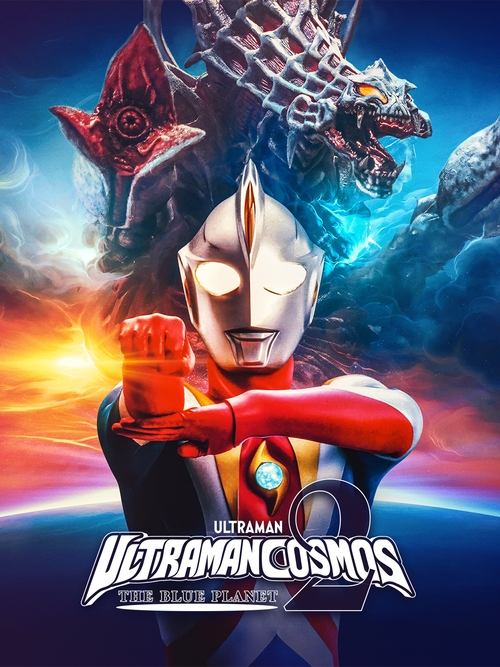
Ultraman Cosmos 2: The Blue Planet stands out through a progressive philosophical framework centered around coexistence. It rejects the typical 'destroy the threat' mandate found in action cinema, favoring a pacifist-oriented worldview. While the film excels in moral complexity, it remains limited in social representation. It lacks visible LGBTQ+ identities and does not feature disability as a central theme. Despite this, the narrative maintains a relatively conventional approach to gender and racial casting.
Category Breakdown
The film does not include explicit depictions of same-sex relationships or non-binary identities. It follows traditional structures that assume everyone is straight or cisgender, without challenging these assumptions.
Women play specialized scientific and organizational roles, offering moderate representation. The protagonist is male, but women have significant roles through their technical and investigative work.
The film is set in Saipan, a non-Western Pacific island, which provides a unique context. However, there is no evidence of significant multi-layered casting.
The film's core philosophy of coexistence challenges traditional Western heroic archetypes. By emphasizing the preservation of life over destruction, the narrative questions the morality of violence and human dominance.
The film does not feature neurodivergence or physical disabilities as central character arcs. Disability is not used as a primary narrative driver.
Present on Screen
Limited or Absent
Official Synopsis
When he returns to Earth to attend the wedding of his friend in Saipan, Musashi meets a beautiful girl named Shau who claims to come from the bottom of the sea. Just then, Monster Scorpis reappears in the sky above the island and Musashi faces the monster in order to protect the girl. What is the girl's true form? And what is the strange shadowy form that follows the monster Scorpis?
2003
2024
2010
2001

1984

1997
2012
1998
No reviews yet. Be the first to share your thoughts on this movie!
Use the rating form above to leave a star rating and optional review.