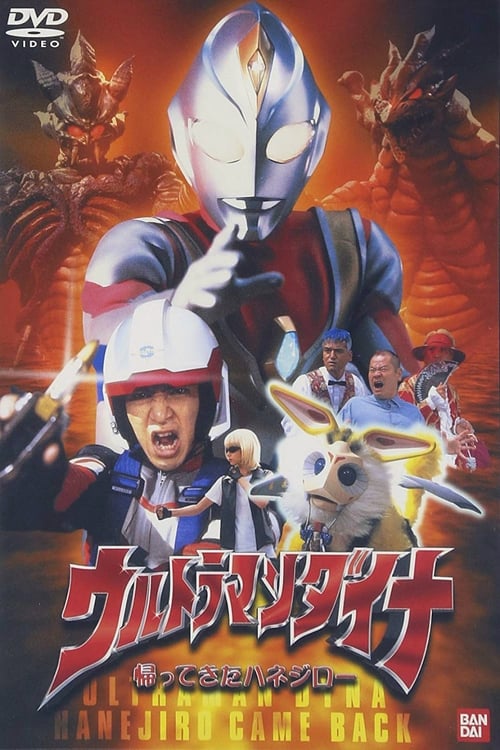
Ultraman Dyna: The Return of Hanejiro
2001
No user ratings available yet
Representation score: 3.4 out of 10

Representation Score
Minimal
2012
Director
Hideki Oka
Runtime
90 minutes
Average Rating
No ratings yetNew Showbiz Analysis
Ultraman Saga follows traditional Tokusatsu conventions, emphasizing genre spectacle and established heroic clichés over diverse representation. The narrative highlights the fusion of heroes to combat existential threats, reinforcing themes of unity and social cohesion. The film adheres to conservative narrative norms, focusing on defending the status quo. While it includes a female ensemble through Team U, the character dynamics remain within conventional archetypes rather than challenging social hierarchies. Ultimately, the film serves as a culturally specific piece of domestic heroism, reinforcing traditional power structures and institutional defense without deconstructing them.
Category Breakdown
The film does not include any identifiable LGBTQ+ characters or stories. The battle between Ultra warriors and Hyper Zetton does not involve non-traditional gender identities.
While male characters drive the plot, Team U provides a visible female presence. However, these characters operate within a traditional protector/protected dynamic.
The film features a predominantly Japanese cast and setting. It focuses on a localized struggle for Earth's survival, maintaining a culturally homogeneous perspective.
The narrative upholds traditional heroic ideals and the importance of institutional defense. It centers on protecting the existing social order against chaos.
The film does not feature any characters with visible or invisible disabilities. These themes are not used as central narrative drivers.
Present on Screen
Limited or Absent
Official Synopsis
Ultraman Saga opens with a powerful apocalyptic vision of Tokyo, buildings destroyed and the city seemingly devoid of life. We are soon introduced to the Earth Defense Force (EDF), Team U (played by members of the female idol group AKB48). They and a group of young children and the last survivors on planet Earth after the world was invaded by the evil Alien Bat, the rest of the human population having been abducted.
2001

2002

2010
2004

2002

2009

1984

1997
No reviews yet. Be the first to share your thoughts on this movie!
Use the rating form above to leave a star rating and optional review.