
Ultraman R/B The Movie: Select! The Crystal of Bond
2019
No user ratings available yet
Representation score: 6.0 out of 10
Representation Score
Excellent
2024
PGDirector
Shannon Tindle
Runtime
117 minutes
Average Rating
No ratings yetNew Showbiz Analysis
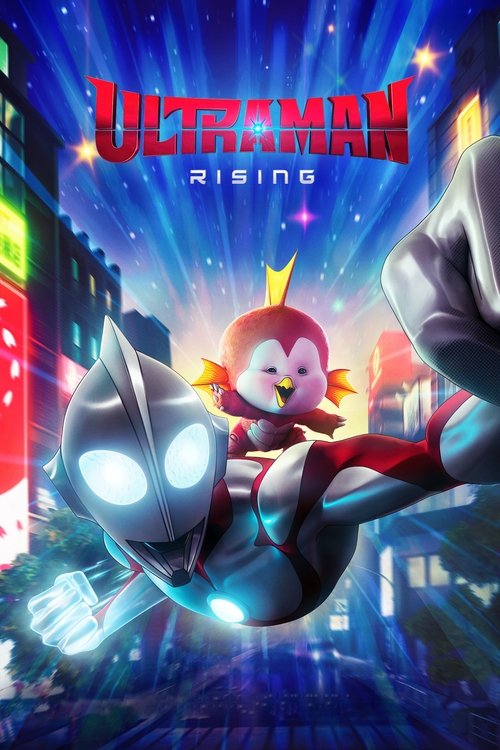
Ultraman: Rising modernizes a legacy franchise by replacing rigid hierarchies with fluid, domestic character arcs. The film moves away from the 'invincible warrior' cliché, favoring emotional intelligence and unconventional kinship. The production succeeds in diversifying the hero archetype through Ken Sato's transformation into a caregiver. The multicultural setting and Japanese-American lead provide a more inclusive foundation than typical genre entries. While the film excels in subverting gender and cultural norms, it lacks explicit LGBTQ+ representation and specific disability-driven narratives. It remains a nuanced exploration of identity and responsibility.
Category Breakdown
The film does not explicitly address LGBTQ+ themes or non-binary identities. However, it avoids assumptions that everyone is straight or cisgender by focusing on unconventional family structures and chosen kinship.
Ken Sato transforms from a self-centered athlete to a nurturing caregiver, challenging traditional masculine archetypes. Female characters play key roles involving authority and technical expertise.
The story centers around a Japanese-American protagonist in a multicultural urban environment. It uses the concept of an alien protector as a metaphor for navigating complex cultural identities.
The narrative deconstructs the idealized hero mythos by focusing on personal struggles and vulnerabilities. It emphasizes situational ethics over traditional, patriotic depictions of duty.
The film does not feature characters explicitly defined by physical or neurodivergent disabilities. The protagonist's struggle to balance public and private duties serves as a metaphor for managing heavy mental loads.
Present on Screen
Limited or Absent
Official Synopsis
A star athlete reluctantly returns home to take over his father's duties as Ultraman, shielding Tokyo from giant monsters as he becomes a legendary hero.
2019

2022
2012
2003
2010
2016
2017

1984
No reviews yet. Be the first to share your thoughts on this movie!
Use the rating form above to leave a star rating and optional review.