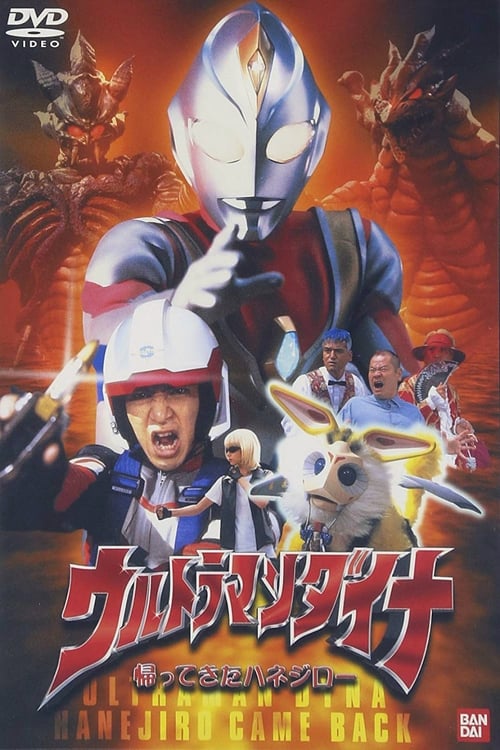
Ultraman Dyna: The Return of Hanejiro
2001
No user ratings available yet
Representation score: 3.4 out of 10
Representation Score
Minimal
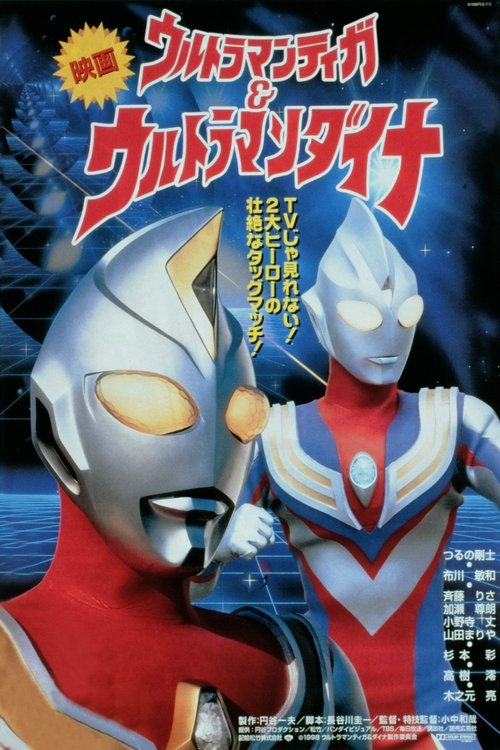
1998
Director
Kazuya Konaka
Runtime
67 minutes
Average Rating
No ratings yetNew Showbiz Analysis
This crossover production follows traditional genre conventions, focusing on established heroic clichés rather than diverse representation. The narrative structure relies on conventional gender and professional hierarchies typical of late-20th-century action media. The film upholds a stable heroic mythos without challenging social norms. While it avoids harmful racial stereotypes, it does not promote progressive representation. Overall, the work centers on institutional stability and the cosmic battle between good and evil, leaving little room for social deconstruction or diverse representation.
Category Breakdown
The film does not include any LGBTQ+ characters or explore non-straight relationships. Queer themes are not present, and interpersonal dynamics focus on professional relationships and cosmic conflicts.
Male characters dominate the narrative, with female characters often playing supporting or secondary roles. Female characters have limited influence over the plot.
The cast is mostly uniform, reflecting the film's Japanese production context. There is no intentional challenge to ethnic norms.
The story emphasizes collective defense and organized authority through the Super GUTS force. Traditional heroic ideals are highlighted, avoiding secular or religious themes.
The film does not depict any central characters with physical or neurodivergent disabilities. Characters are portrayed as peak-performance specialists in a military-adjacent setting.
Present on Screen
Limited or Absent
Official Synopsis
The members of the Super GUTS force, one of whom is secretly Ultraman Dyna, are in the middle of a losing battle against an enormous monster on the surface of the moon, when suddenly a spaceship appears and saves them by zapping the beast. The crew of the ship claim to members of the world peace force that originally created the Super GUTS force, and they invite the GUTS members to enter their brainwave patterns into the ship's battle computer so it can be a more effective fighting system. It sounds like a good idea, but could they have some other plan up their sleeves?
2001
2007

1997

1995

1984
1991
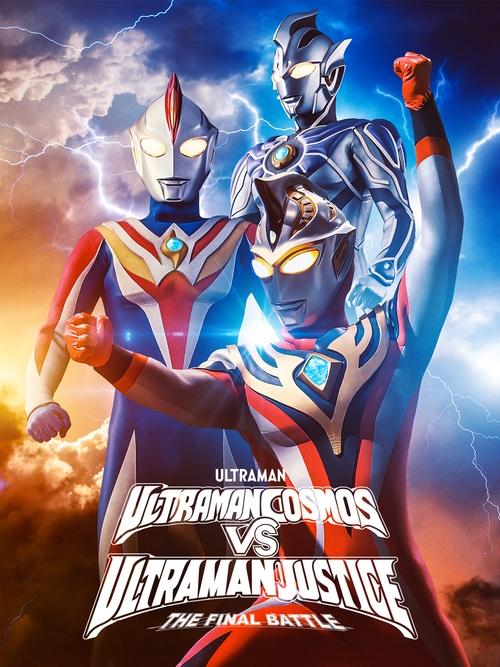
2003
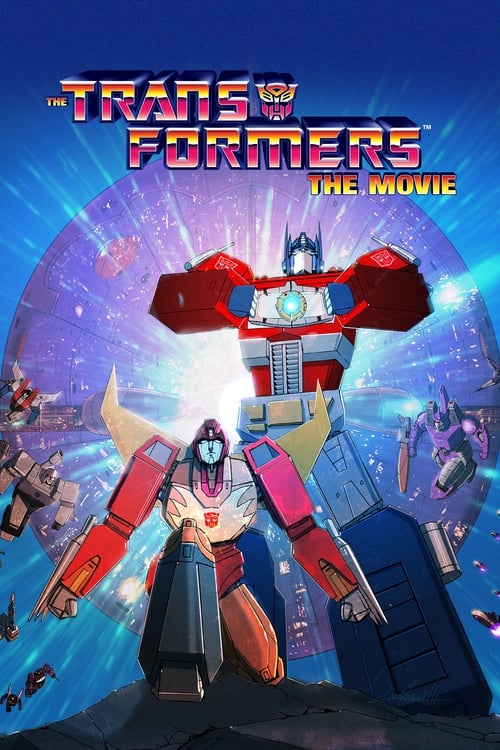
1986
No reviews yet. Be the first to share your thoughts on this movie!
Use the rating form above to leave a star rating and optional review.