
Ultraman Zearth 2: Superhuman Big Battle - Light and Shadow
1997
No user ratings available yet
Representation score: 3.2 out of 10
Representation Score
Minimal
2010
Director
Yūichi Abe
Runtime
99 minutes
Average Rating
No ratings yetNew Showbiz Analysis
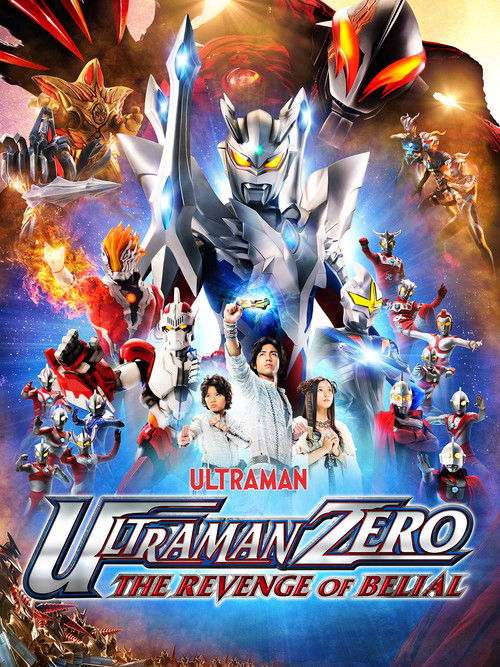
Ultraman Zero: The Revenge of Belial is a classic tokusatsu production that prioritizes mythic heroism and established genre clichés. The story centers on a cosmic battle of light versus darkness, which leaves little room for social deconstruction or multi-layered character studies. The film relies heavily on traditional masculine archetypes, driven by the martial prowess of the male lead and his relationship to his father. This focus on legacy and superhuman perfection results in a narrative that lacks representation for disability or LGBTQ+ identities. While the setting features non-Western alien entities, these characters serve as cosmic archetypes rather than a deliberate attempt at racial or ethnic diversity. The film functions as a traditionalist piece designed to uphold established heroic values.
Category Breakdown
The film focuses on a traditional masculine struggle between cosmic entities. There is no representation of LGBTQ+ identities or critiques of the assumption that everyone is straight or cisgender.
The narrative adheres to conventional hierarchies, focusing almost exclusively on male-coded protagonists and antagonists. It reinforces traditional masculine leadership through the legacy of the father figure.
Terrestrial race and ethnicity are largely abstracted through humanoid alien species. While the cast includes non-Western characters, they function as cosmic archetypes rather than diverse social actors.
The story utilizes a traditional moral framework centered on the struggle between good and evil. It prioritizes the preservation of order and heroic virtues over social critique.
Characters are depicted as idealized, superhuman entities. There is no representation of characters with visible or invisible disabilities or neurodivergent traits.
Present on Screen
Limited or Absent
Official Synopsis
Ultraman Zero, the rookie Ultraman from Tsuburaya Productions’ 2009 theatrical movie returns, and getting full-fledged. However, he is confronted with the empowered Kaiser Belial, back from the evil Ultraman Belial whom he and other Ultraman warriors battled so hard on the m-78 Planet. Can Ultraman Zero live to the expectations of his legendary father Ultra Seven? Check it out in the latest Tsuburaya Productions’ action packed movie.
1997
2024

1984
1999
2003
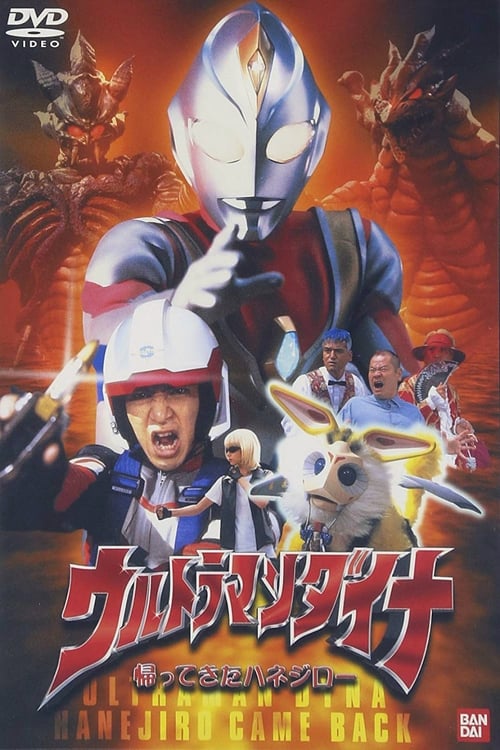
2001
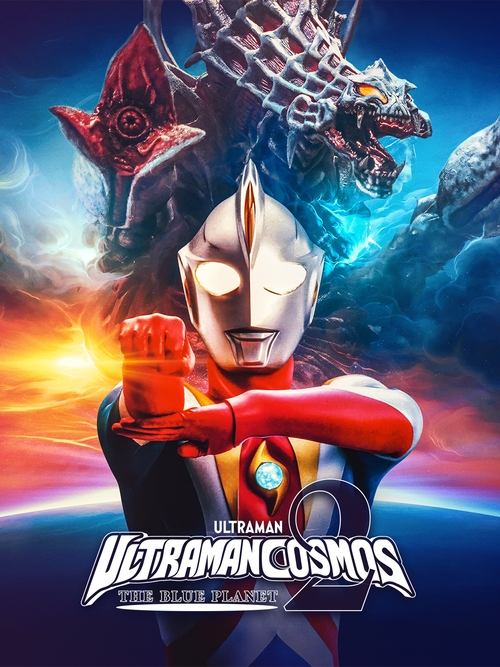
2002
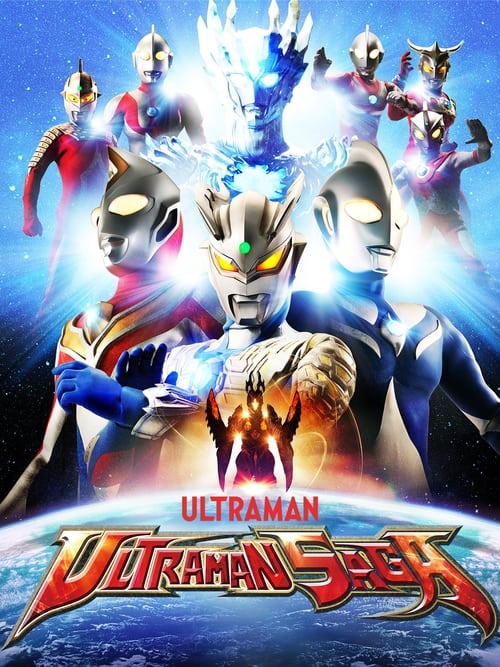
2012
No reviews yet. Be the first to share your thoughts on this movie!
Use the rating form above to leave a star rating and optional review.