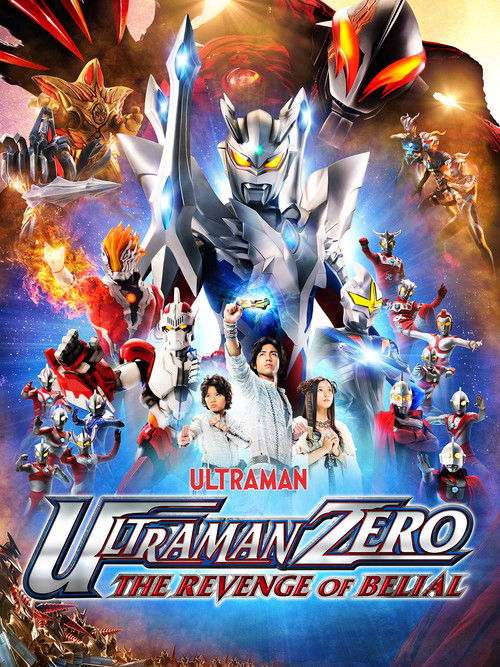
Ultraman Zero: The Revenge of Belial
2010
No user ratings available yet
Representation score: 1.1 out of 10

Representation Score
Limited
1984
Director
Koichi Takano
Runtime
93 minutes
Average Rating
No ratings yetNew Showbiz Analysis
Ultraman Story operates within a highly conventional heroic framework. The narrative prioritizes themes of lineage, duty, and established hierarchy, following a standard hero's journey that reinforces mid-century social structures. The film relies on traditional masculine archetypes and patriarchal leadership. While the presence of various alien species offers biological variety, the social dynamics remain largely homogeneous and centered on traditional roles. Ultimately, the work functions as a stable, conservative fantasy. It seeks to uphold order and familial respect rather than challenging or deconstructing existing social or gendered norms.
Category Breakdown
The story focuses on fraternal hierarchies and familial bonds among the Ultra Brothers. There is no evidence of LGBTQ+ identities or same-sex intimacy within the narrative.
The plot emphasizes a patriarchal lineage of protectors and traditional masculine leadership to resolve conflict. Male-coded characters like Ultraman Taro play a significant role in driving the story.
The cast reflects the homogeneous cultural origins of the Japanese Tokusatsu genre. While non-human species appear, the film does not engage with racial or ethnic diversity.
The film reinforces traditional values like filial piety and respect for authority. The protagonist's arc centers on seeking validation from elders and fulfilling communal duties.
Characters are depicted as idealized, peak-performance archetypes of strength. There is no evidence of characters navigating physical, sensory, or neurodivergent disabilities.
Present on Screen
Limited or Absent
Official Synopsis
The film centers around Ultraman Taro growing up, and wanting to join the Ultra Brothers in battle. His family, however, thinks he is too young. Taro eventually proves himself after saving the 5 Ultra Brothers from the evil Grand King, created by Juda.
2010
2024
2001

2009

1997
2002
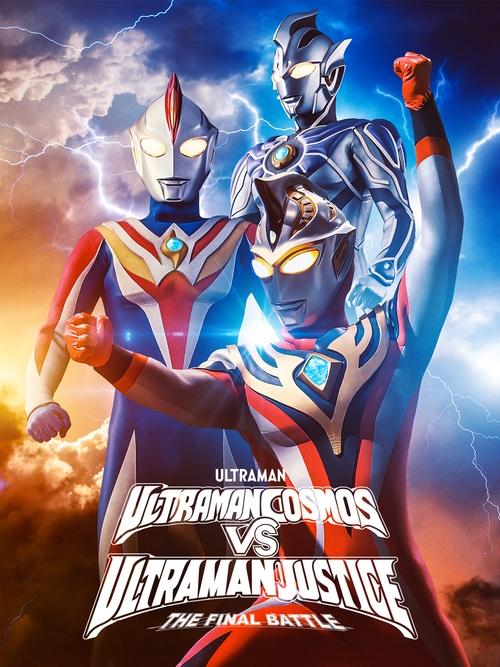
2003
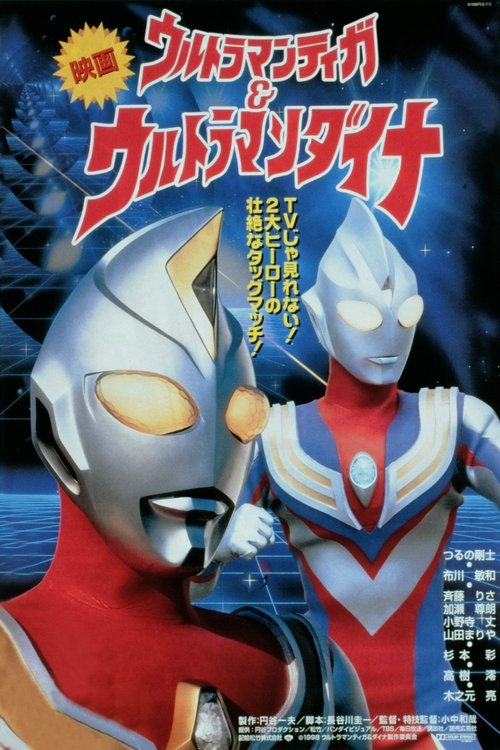
1998
No reviews yet. Be the first to share your thoughts on this movie!
Use the rating form above to leave a star rating and optional review.