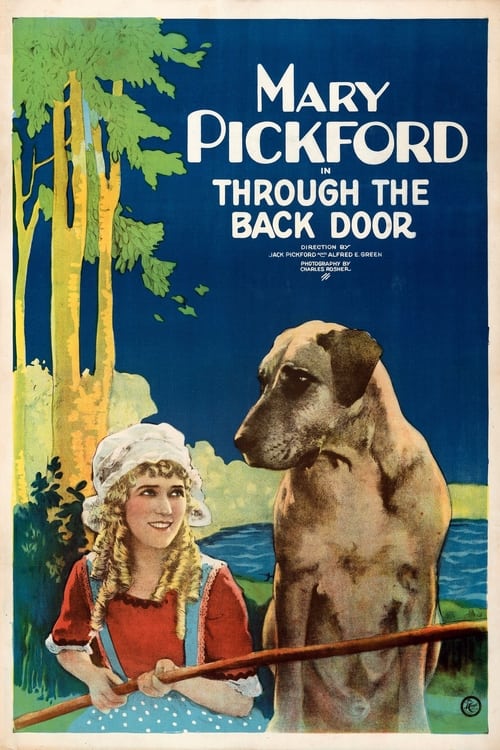
Through the Back Door
1921
No user ratings available yet
Representation score: 2.7 out of 10
Representation Score
Minimal
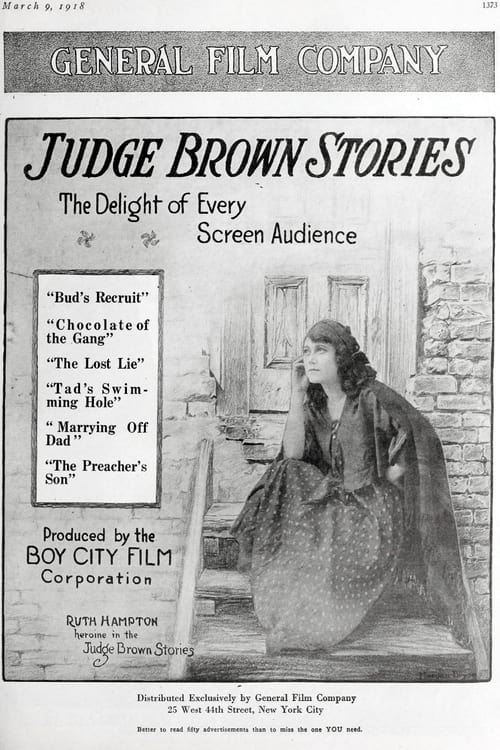
1918
Director
King Vidor
Runtime
26 minutes
Average Rating
No ratings yetNew Showbiz Analysis
Bud's Recruit serves as a period-specific artifact that upholds traditional social and national hierarchies. The film's narrative structure promotes singular patriotic ideals through the comedic disparagement of non-militaristic traits. Rather than offering a complex portrayal of American identity, the work focuses on a monolithic view of American society during the First World War. It relies on established clichés of the era to reinforce conventional gender roles and state authority. Ultimately, the film functions as a tool for national cohesion, centering on a homogeneous domestic ideal that lacks diverse representation.
Category Breakdown
The film does not include any characters who identify as LGBTQ+. The story stays within traditional heterosexual and military frameworks.
The story reinforces traditional gender roles by using a peace-loving brother and mother as comedic foils to highlight patriotic vigor.
The film centers on a homogeneous depiction of the American domestic ideal. There is no evidence of non-white or non-Anglo-Saxon casting.
The narrative promotes high-intensity patriotism and traditional Western institutions, emphasizing military service as a pillar of social stability.
There is no evidence of characters with visible or invisible disabilities. No such characters appear as plot devices.
Present on Screen
Limited or Absent
Official Synopsis
This WWI home-front comedy is the earliest surviving film of King Vidor, who would later go on to make such classics as The Big Parade and The Crowd. A two-reeler, it's a propaganda comedy involving a little boy who can't wait to go fight against the Kaiser, and who sets an unrelentingly patriotic (and militaristic) example for his draft-age, feminized brother and peace-lovin' mother.
1921
1927

1926

1925

1926

1932

1926

1959
No reviews yet. Be the first to share your thoughts on this movie!
Use the rating form above to leave a star rating and optional review.