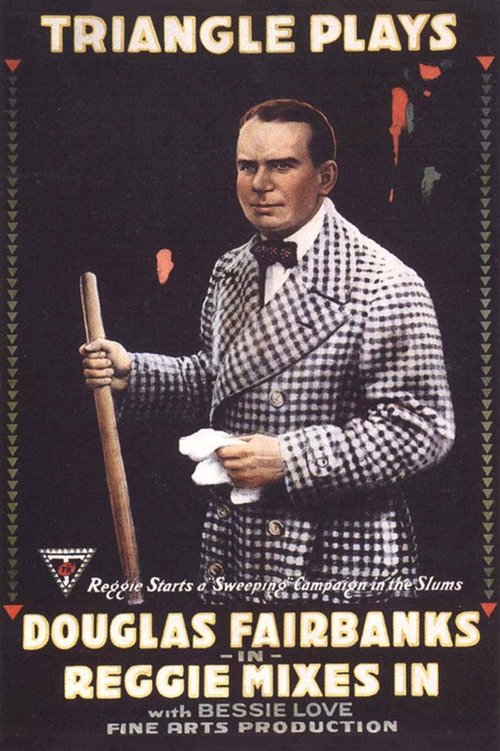
Reggie Mixes In
1916
No user ratings available yet
Diversity score: 2.4 out of 10

1926
Director
George W. Hill
Runtime
103 minutes
Average Rating
No ratings yetSynopsis
U.S. Marine Sergeant O'Hara has his hands full training raw recruits, one of whom, 'Skeets' Burns, is a particular thorn in his side. If Burns's lackadaisical approach to the military were not bad enough, he also makes advances on nurse Nora Dale, whom Sergeant O'Hara secretly loves. Nora is oblivious to O'Hara's feelings and is attracted to the handsome 'Skeet.' But an indiscretion turns her against him, and it takes an expedition to China and a battle with a warlord's bandit brigade to sort things out among the nurse and her two Marines.
Overall Score
Limited
Category Breakdown
LGBTQ+ Representation
The film follows a strictly heteronormative romantic triangle. There are no depictions of non-cisnormative identities or same-sex intimacy.
Gender Representation
Nora Dale possesses emotional agency, yet her role remains defined by her relationships with the male leads. Masculinity is centered on military leadership and authority.
Racial & Ethnic Diversity
The cast is a homogeneous white American military force. International settings like China are viewed through a colonial lens, providing little agency to local populations.
Religious & Cultural Diversity
The narrative functions as a patriotic tale emphasizing military discipline. It promotes Western institutional stability without offering critiques of imperialism or capitalism.
Disability Representation
No prominent depictions of physical or neurodivergent disabilities are present. Characters are defined by the physical fitness required for military service.
Strengths
Areas for Improvement
AI Analysis
Tell It to the Marines is a quintessential product of the 1920s, prioritizing traditional heroism and institutional stability. The narrative structure reinforces established social hierarchies rather than challenging them. The film relies on a narrow, heteronormative romantic conflict and a homogeneous cast. It lacks intersectional depth, treating international locales as mere backdrops for American military intervention. Ultimately, the work serves to validate the era's standard social norms, offering a streamlined, patriotic depiction of military life that avoids moral relativism.
1916
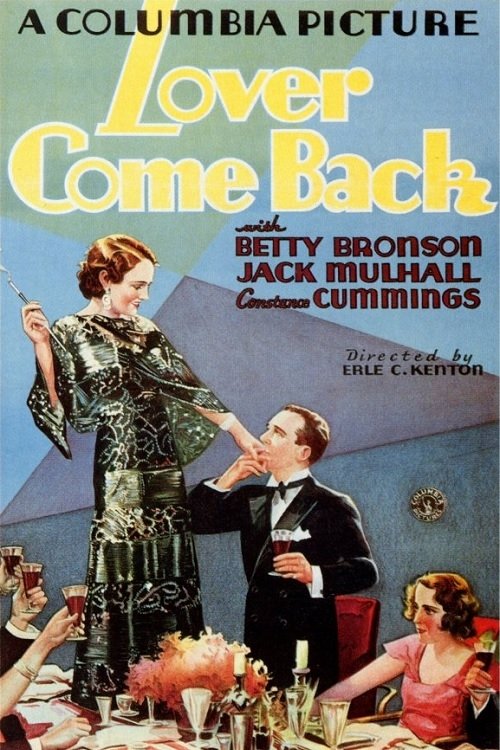
1931
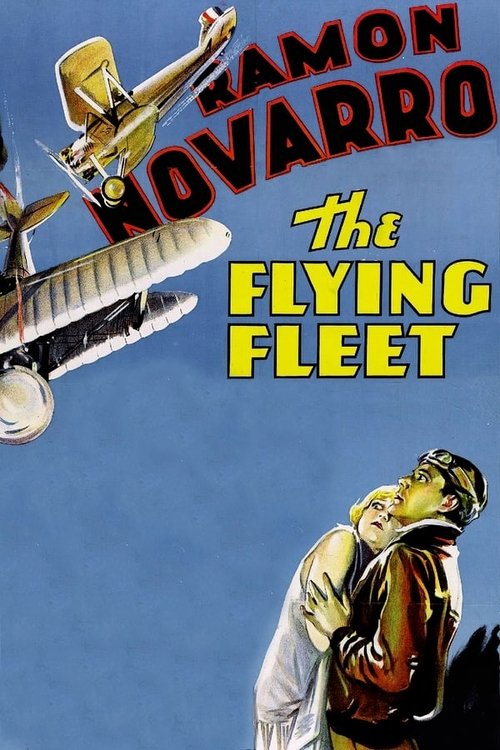
1929
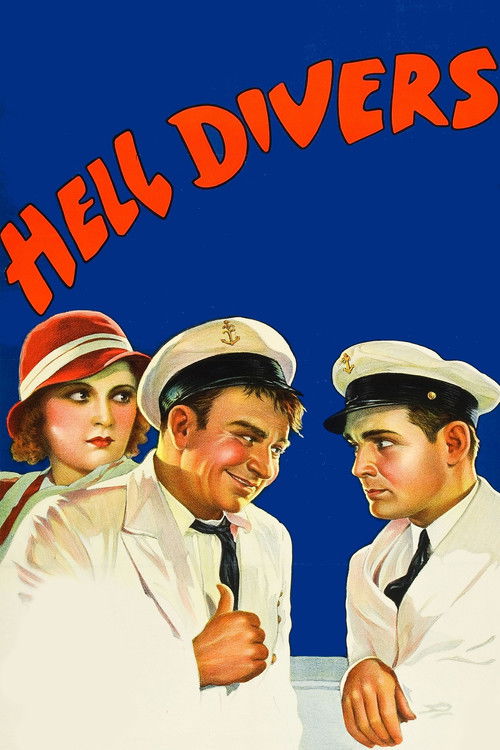
1932
No reviews yet. Be the first to share your thoughts on this movie!
Use the rating form above to leave a star rating and optional review.