
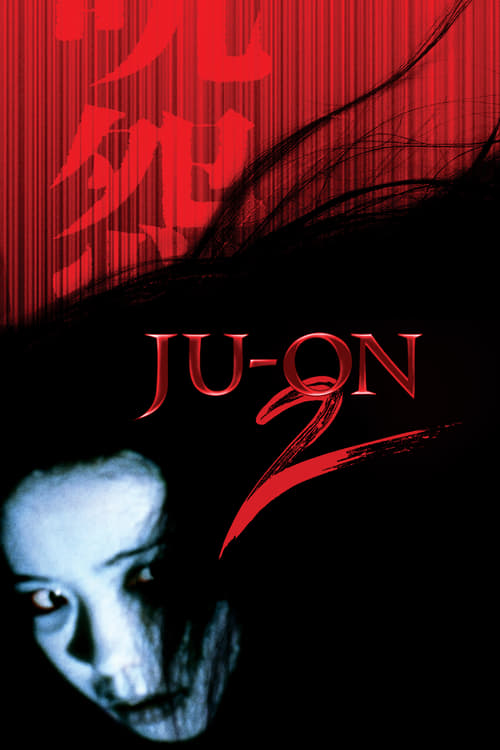
Ju-on: The Curse 2
2000
No user ratings available yet
Representation score: 2.9 out of 10

Representation Score
Limited
2000
Not RatedDirector
Takashi Shimizu
Runtime
70 minutes
Average Rating
No ratings yetNew Showbiz Analysis
Ju-on: The Curse is a foundational J-Horror film that emphasizes atmospheric dread and non-linear storytelling over social commentary. Its main contribution to diversity is the subversion of traditional gender roles, particularly through the terrifying portrayal of the maternal figure. However, the film remains deeply localized and homogeneous. The cast is predominantly Japanese, and the narrative lacks markers of diverse identities or representation of LGBTQ+ communities and disabilities. While it avoids harmful stereotypes, it does not provide meaningful representation for these groups.
Category Breakdown
The film adheres to an assumption that everyone is straight or cisgender, with no depictions of same-sex relationships or non-binary genders.
Kayako challenges the nurturing mother stereotype by making the maternal figure terrifying. However, female characters often have little control over their fates, defined mainly by victimization.
The story focuses on a Japanese cast in a suburban setting, lacking intentional diversity or inclusion of minority groups.
The narrative deconstructs the traditional family unit by showing the home as a place of trauma. It does not offer broader critiques of religion or Western institutions.
There is no intentional representation of disabilities. Toshio's strange behavior serves as a horror element rather than exploring neurodivergence.
Present on Screen
Limited or Absent
Official Synopsis
When elementary school teacher Kobayashi investigates the absence of one of his young pupils from the classroom, he finds himself at the doorstep of an anonymous suburban house that harbours a horrible secret, and into which all who enter are doomed.
2000
2019

2005
2003
2020

2005

2021

2019
No reviews yet. Be the first to share your thoughts on this movie!
Use the rating form above to leave a star rating and optional review.