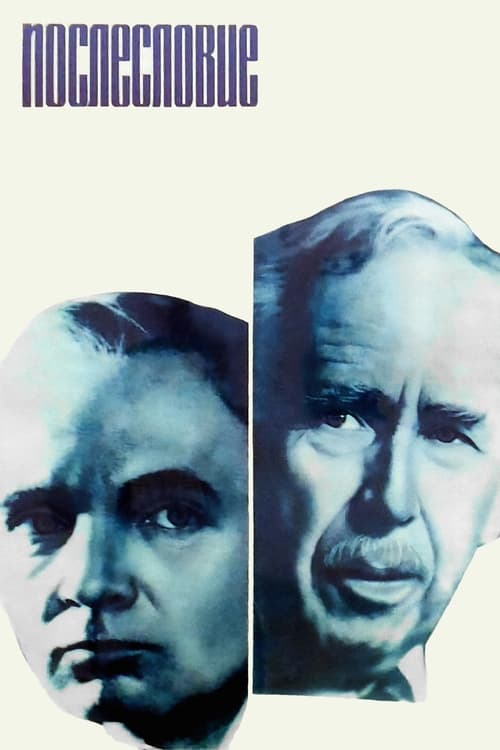
Postscript
1983
No user ratings available yet
Representation score: 3.7 out of 10

Representation Score
Good
1971
Director
Kira Muratova
Runtime
94 minutes
Average Rating
No ratings yetNew Showbiz Analysis
Kira Muratova’s film is a sophisticated, character-driven drama that excels in psychological depth. It stands out by subverting traditional gender roles and exploring a woman’s complex inner world. While the film provides a nuanced critique of social structures and communication, it remains demographically narrow, reflecting the homogeneity of its Soviet setting. Ultimately, its value lies in its avant-garde narrative style and refusal to offer simple moral solutions, despite a lack of specific representation for LGBTQ+ or disabled individuals.
Category Breakdown
The film does not include explicit LGBTQ+ identities or non-straight relationships. Instead, it explores emotional tensions within a traditional family structure, allowing for a fluid examination of intimacy.
The film challenges traditional gender roles by focusing on the inner life of a woman named Olga. She is portrayed as a complex individual rather than a typical domestic figure, emphasizing her intellectual and emotional depth.
Set in a provincial Soviet context, the film reflects the demographic uniformity of its time. There is no indication of racial or ethnic mixing, and the casting aligns with the historical setting.
The narrative questions the stability of social structures and moral certainty during late-Soviet life. It depicts a fragmented family unit, avoiding idealized portrayals of societal cohesion.
The film examines psychological distress and emotional isolation as part of the human experience. It does not focus on specific disabilities but portrays characters dealing with mental health issues without reducing them to stereotypes.
Present on Screen
Limited or Absent
Official Synopsis
A single mother is confused by the changes in her teenage son, who has become distant since spending summer vacation with his father.
1983

1997
1985

2023
1983

1989

1993

1996
No reviews yet. Be the first to share your thoughts on this movie!
Use the rating form above to leave a star rating and optional review.